PE-22-28 - 5mg
€29.00

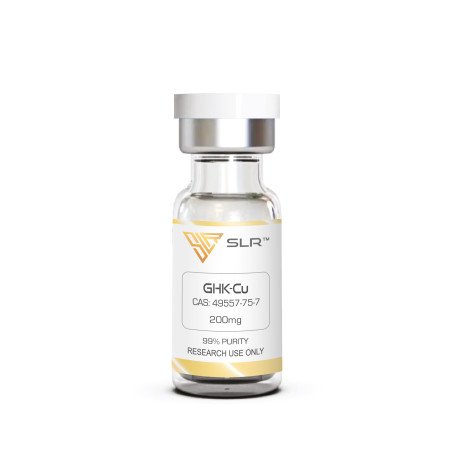


GHK-Cu is a naturally occurring copper-binding tripeptide widely studied for its role in tissue maintenance, cellular repair, and gene-regulatory processes. Research has associated GHK-Cu with multiple biological activities relevant to skin biology, cellular regeneration, and protective mechanisms at the molecular level. According to experimental and research observations, GHK-Cu has been associated with the following effects:
Improves skin density and firmness
Reduces the appearance of fine lines and deeper wrinkles
Helps counteract photodamage related to environmental exposure
Supports biological processes linked to hair follicle activity
Demonstrates gene-regulatory activity relevant to cancer research models
Supports mechanisms involved in nerve regeneration
Activates pathways associated with DNA repair and cellular recovery
All listed effects are derived from laboratory, preclinical, or controlled research contexts and are presented for scientific and educational purposes only.
SPECIFICATIONS
Product Code: GHC200
Sequence: Gly-His-Lys (GHK)
Complex: Copper(II) Complex
Molecular Formula: C14H24N6O4Cu
Molecular Weight: ~403.9 g/mol
CAS: 49557-75-7
Purity: Technical / Research Grade ≥99%
Other Details: No TFA Salt
Form: Lyophilized powder
Color: Blue
Storage Temperature: -20°C
Source: Synthetic
Safety Classification: Standard laboratory handling
DESCRIPTION
GHK-Cu, also known as the copper tripeptide, is a naturally occurring human peptide complex composed of glycine, histidine, and lysine bound to copper. Circulating levels of endogenous GHK-Cu have been reported to decline with age, a phenomenon observed in parallel with reductions in tissue regenerative capacity in biological systems.
Experimental investigations across multiple laboratories have associated GHK-Cu with a broad range of biological activities in research settings. These include involvement in wound-healing processes, immune cell recruitment, antioxidant and anti-inflammatory signaling, stimulation of collagen and glycosaminoglycan synthesis in dermal fibroblasts, and support of angiogenesis-related pathways.
Gene-expression analyses indicate that GHK-Cu may influence the regulation of numerous genes associated with tissue remodeling, cellular defense, and extracellular matrix maintenance. These findings suggest a broad modulatory role at the molecular level under experimental conditions.
Cosmetic and Skin Research Applications
GHK-Cu has been extensively studied in dermatological and cosmetic research. Controlled topical studies have reported associations with improvements in skin firmness, elasticity, wrinkle appearance, and overall skin quality. Histological evaluations in research contexts have indicated increased collagen markers and enhanced keratinocyte proliferation following topical exposure.
Hair Follicle Research
GHK-Cu and related analogues have been studied in experimental models examining hair follicle biology. Some laboratory findings suggest stimulation of pathways involved in follicular activity and dermal papilla signaling.
Cancer-Related Research
In vitro studies have reported that GHK-Cu may influence gene expression patterns associated with metastatic behavior in colon cancer models. These observations support investigation of the peptide as a regulator of multiple biochemical pathways in experimental oncology research.
Stem Cell and Regenerative Research
Laboratory studies have demonstrated that GHK-Cu stimulates keratinocyte proliferation and increases expression of integrins and p63 protein in epidermal stem cells. Since p63 is associated with stem cell function, these findings suggest potential involvement in regenerative signaling pathways under experimental conditions.
Nerve Regeneration Research
Experimental models have reported associations between GHK exposure and increased expression of nerve growth-related factors, integrins, and regeneration of myelinated nerve fibers when delivered via collagen-based systems.
Fibroblast and Cellular Stress Research
In vitro investigations indicate that GHK-Cu may support recovery of human fibroblasts exposed to oxidative or radiation-related stress. These observations suggest involvement in cellular repair and defense mechanisms.
Inflammation and Wound Repair Research
Wound-healing models involve coordinated inflammatory signaling, cell proliferation, migration, and extracellular matrix remodeling. In laboratory studies, GHK-Cu reduced TNF-α–induced IL-6 secretion in dermal fibroblasts, indicating modulation of inflammatory pathways.
DNA Repair Research
Experimental data suggest that GHK may restore viability in irradiated fibroblast models. These findings support investigation into DNA repair-related and genomic regulatory pathways under laboratory conditions.
Overall, extensive experimental literature associates GHK-Cu with dermal repair, tissue remodeling, antioxidant regulation, and gene-expression modulation. All observations described above originate from in vitro systems, animal studies, or other preclinical research contexts and are intended exclusively for scientific investigation.
REFERENCES
All observations described above originate from in vitro systems, animal studies, or other preclinical experimental models. They are intended solely to support basic research into molecular, cellular, and physiological mechanisms and do not imply therapeutic, diagnostic, or preventive applications in humans or animals.
L. Pickart et al., "GHK-Cu may Prevent Oxidative Stress in Skin by Regulating Copper and Modifying Expression of Numerous Antioxidant Genes" [MDPI]
M. Kukowska et al., "In vitro studies of antimicrobial activity of Gly-His-Lys conjugates as potential and promising candidates for therapeutics in skin and tissue infections" [PubMed]
L. Pickart et al., "The Human Tripeptide GHK-Cu in Prevention of Oxidative Stress and Degenerative Conditions of Aging: Implications for Cognitive Health" [PubMed]
L. Pickart et al., "Regenerative and Protective Actions of the GHK-Cu Peptide in the Light of the New Gene Data" [PubMed]
A. Gruchlik et al., "Effect of GLY-HIS-LYS and its copper complex on TGF-β secretion in normal human dermal fibroblasts" [PubMed]
L. Pickart et al., "GHK Peptide as a Natural Modulator of Multiple Cellular Pathways in Skin Regeneration" [BioMed Research International]
S.O. Canapp Jr et al., "The effect of topical tripeptide-copper complex on healing of ischemic open wounds" [PubMed]
X. Wang et al., "GHK-Cu-liposomes accelerate scald wound healing in mice by promoting cell proliferation and angiogenesis" [PubMed]
G.D. Mulder et al., "Enhanced healing of ulcers in patients with diabetes by topical treatment with glycyl-l-histidyl-l-lysine copper" [PubMed]
L. Pickart et al., "The Effect of the Human Peptide GHK on Gene Expression Relevant to Nervous System Function and Cognitive Decline" [PubMed]
L. Pickart et al., "GHK and DNA: Resetting the Human Genome to Health" [BioMed Research International]
DISCLAIMER
This product is intended strictly for laboratory research and development use only. This material is not a medicine or drug and has not been approved by the FDA, EMA, or any regulatory authority for the prevention, treatment, or cure of any disease. Bodily introduction into humans or animals is strictly prohibited. Handling is restricted to qualified laboratory professionals.
All product information provided on this website is for informational and educational purposes only.
Related compounds: BPC-157, CJC-1295 w/o DAC, Ipamorelin.
| Image | Ref. | Unit price | Weight | Avail. | Buy |
|---|---|---|---|---|---|
| GHC200 | €98.00 Discount by quantity 10+ €78.40 –20% 20+ €68.60 –30% 50+ €60.76 –38% 100+ €54.88 –44% 200+ €49.00 –50% | 0.000000 kg |  | |
| Total: 0,0 All prices with tax included. | |||||
Product is available Product is no longer in stock
 Product is no in stock, but is allowed to be back-ordered