Anti-Aging

Active filters

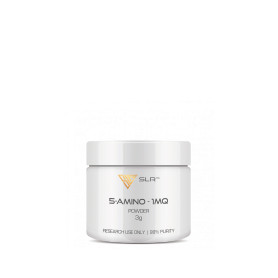
5-AMINO-1MQ - 3g
€145.00
Tax excluded
Temporarily unavailable
favorite_border favorite
5-amino-1MQ is a synthetic small-molecule compound investigated for its ability to modulate the activity of nicotinamide N-methyltransferase (NNMT), an enzyme involved in cellular metabolic regulation and energy balance. NNMT plays a role in nicotinamide metabolism and influences the availability of nicotinamide adenine dinucleotide (NAD⁺), a central cofactor in mitochondrial function and cellular energy production. By inhibiting NNMT activity in experimental models, 5-amino-1MQ has been associated with increased NAD⁺ availability and modulation of metabolic signaling pathways, including those linked to sirtuin-1 (SIRT1). Preclinical research has explored its effects on energy utilization, adipose tissue metabolism, and metabolic efficiency without changes in caloric intake. This compound is primarily used as a research tool to investigate NNMT-related pathways and their role in metabolic regulation.
AICAR - 100mg
€79.00
Tax excluded
IN-STOCK
favorite_border favorite
Adenosine monophosphate (AMP) has a well-known experimental analog in the molecule AICAR. In preclinical research models, AICAR has been extensively used to investigate AMPK-mediated cellular energy regulation, metabolic stress responses, and redox balance. In in vitro systems and animal studies, AICAR has been evaluated in experimental contexts related to cardiac ischemia models, where AMPK activation has been associated with modulation of cellular survival pathways under ischemic stress. Due to its role in regulating oxidative stress and energy metabolism, AICAR has also been studied in experimental ageing-related models, as well as in preclinical models of metabolic and inflammatory dysregulation, including those used to investigate mechanisms relevant to insulin signaling, immune activation, and chronic inflammation. These findings are limited to controlled laboratory and animal research settings and are used to explore underlying biological mechanisms rather than clinical applications.
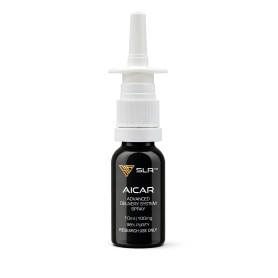
AICAR - 10ml/100mg - Spray
€99.00
Tax excluded
IN-STOCK
favorite_border favorite
Adenosine monophosphate (AMP) has a well-known experimental analog in the molecule AICAR. In preclinical research models, AICAR has been extensively used to investigate AMPK-mediated cellular energy regulation, metabolic stress responses, and redox balance. In in vitro systems and animal studies, AICAR has been evaluated in experimental contexts related to cardiac ischemia models, where AMPK activation has been associated with modulation of cellular survival pathways under ischemic stress. Due to its role in regulating oxidative stress and energy metabolism, AICAR has also been studied in experimental ageing-related models, as well as in preclinical models of metabolic and inflammatory dysregulation, including those used to investigate mechanisms relevant to insulin signaling, immune activation, and chronic inflammation. These findings are limited to controlled laboratory and animal research settings and are used to explore underlying biological mechanisms rather than clinical applications.   FRESHLY PREPARED SOLUTION 
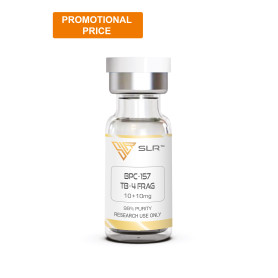
BPC-157 + TB-4 FRAG - 10+10mg, 30+30mg
€49.00
Tax excluded
Promotional price while stocks last.
favorite_border favorite
BPC-157 is a 15-amino-acid synthetic peptide used in preclinical research models to investigate cellular repair mechanisms, extracellular matrix dynamics, vascular signaling, and tissue stress responses. In in vitro systems and animal studies, BPC-157 has been explored for its involvement in pathways related to fibroblast activity, angiogenesis, nitric oxide-associated signaling, coagulation-related processes, immune modulation, and gene expression regulation under experimental conditions. Thymosin Beta-4 Fragment is a short peptide derived from the active region of Thymosin Beta-4, commonly employed in preclinical research to investigate actin-regulated cell migration, angiogenesis, inflammatory modulation, and tissue remodeling mechanisms. In experimental models, it has been studied for its involvement in wound-related cellular dynamics, oxidative stress responses, and regeneration-associated signaling pathways.
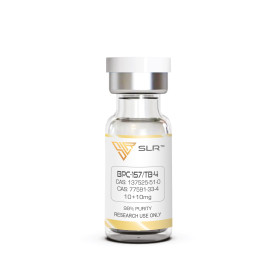
BPC-157 + THYMOSIN B-4 (43aa) - 10+10mg
€115.00
Tax excluded
IN-STOCK
favorite_border favorite
BPC-157 is a 15-amino-acid synthetic peptide used in preclinical research models to investigate cellular repair mechanisms, extracellular matrix dynamics, vascular signaling, and tissue stress responses. In in vitro systems and animal studies, BPC-157 has been explored for its involvement in pathways related to fibroblast activity, angiogenesis, nitric oxide-associated signaling, coagulation-related processes, immune modulation, and gene expression regulation under experimental conditions. Thymosin Beta-4 is a 43-amino-acid peptide widely used in preclinical experimental systems to study actin-mediated cell migration, angiogenesis, inflammatory signaling, and tissue remodeling processes. In laboratory and animal models, Thymosin Beta-4 has been investigated for its role in wound-associated cell dynamics, oxidative stress responses, and regeneration-related signaling pathways. 
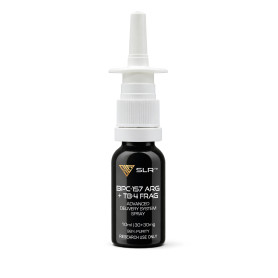
BPC-157 ARG + TB-4 FRAG - 10ml/30mg + 30mg - Spray
€149.00
Tax excluded
IN-STOCK
favorite_border favorite
BPC-157 is a 15-amino-acid synthetic peptide used in preclinical research models to investigate cellular repair mechanisms, extracellular matrix dynamics, vascular signaling, and tissue stress responses. In in vitro systems and animal studies, BPC-157 has been explored for its involvement in pathways related to fibroblast activity, angiogenesis, nitric oxide-associated signaling, coagulation-related processes, immune modulation, and gene expression regulation under experimental conditions. Thymosin Beta-4 Fragment is a short peptide derived from the active region of Thymosin Beta-4, commonly employed in preclinical research to investigate actin-regulated cell migration, angiogenesis, inflammatory modulation, and tissue remodeling mechanisms. In experimental models, it has been studied for its involvement in wound-related cellular dynamics, oxidative stress responses, and regeneration-associated signaling pathways. FRESHLY PREPARED SOLUTION 
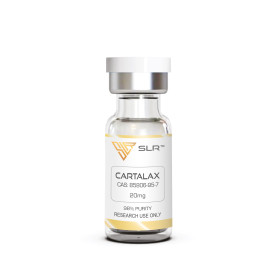
CARTALAX - 20mg
€58.00
Tax excluded
IN-STOCK
favorite_border favorite
Cartalax is a synthetic short bioregulatory tripeptide composed of Alanine, Glutamic Acid, and Aspartic Acid (Ala-Glu-Asp). It has been investigated in preclinical research for its potential role in regulating chondrocyte activity, maintaining extracellular matrix homeostasis, and supporting cartilage biology. Experimental studies suggest that Cartalax may influence gene expression and protein synthesis involved in connective tissue maintenance rather than acting as a structural replacement for cartilage components. Ongoing research explores its relevance in models of cartilage aging, extracellular matrix remodeling, and musculoskeletal tissue regulation. All available data are derived from laboratory and preclinical investigations, and further independent studies are required to fully characterize its biological mechanisms and potential applications.
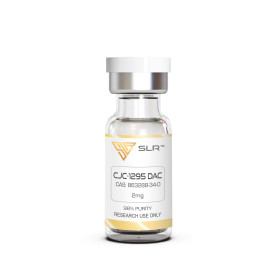
CJC-1295 + DAC - 2mg
€27.00
Tax excluded
IN-STOCK
favorite_border favorite
CJC-1295 is a synthetic analogue of growth hormone–releasing hormone (GHRH) investigated in preclinical research for its involvement in growth hormone– and insulin-like growth factor 1 (IGF-1)–associated signaling pathways. Experimental studies have examined how incorporation of a Drug Affinity Complex (DAC) may extend the peptide’s plasma persistence, allowing prolonged observation of GH–IGF axis dynamics under controlled laboratory conditions. In preclinical experimental settings, CJC-1295 has been explored in relation to: – protein synthesis–associated anabolic signaling– lipid metabolism and body composition–related biochemical pathways
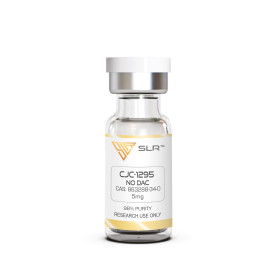
CJC-1295 NO DAC - Mod GRF (1-29) - 5mg
€25.00
Tax excluded
IN-STOCK
favorite_border favorite
Modified GRF is a truncated peptide analogue of growth hormone–releasing hormone (GHRH) investigated in preclinical research for its involvement in GHRH-mediated signaling pathways. In experimental settings, Modified GRF has been explored in relation to: – muscle repair– and growth-associated cellular signaling – wound-associated tissue remodeling processes – bone metabolism and structural signaling pathways – lipid metabolism and fat-oxidation–related biochemical pathways – metabolic regulation–associated signaling networks – glucose homeostasis– and immune-related regulatory pathways
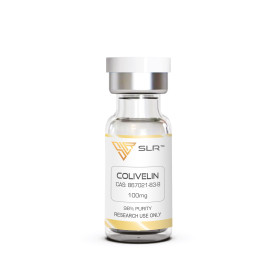
COLIVELIN - 100mg
€490.00
Tax excluded
IN-STOCK
favorite_border favorite
Colivelin is a synthetic cell-permeable neuroprotective peptide derived from the humanin family, designed for advanced neurobiological research. In laboratory research settings, this molecule is utilized to investigate the following biochemical systems:Survival-Signaling Pathway Modulation: Studied for its activation of STAT3-associated signaling pathways, evaluating its interaction with cellular survival mechanisms under experimental stress. Amyloid-Associated Stress Resistance: Observed in vitro to monitor neuronal responses and anti-apoptotic cascades in the presence of protein-aggregation paradigms. Synaptic Plasticity Regulation: Investigated for its role in maintaining synaptic integrity and microenvironment stability under neurodegenerative research models.This compound is a high-purity research-grade peptide supplied strictly for laboratory use and scientific experimentation. Not for clinical or diagnostic applications.
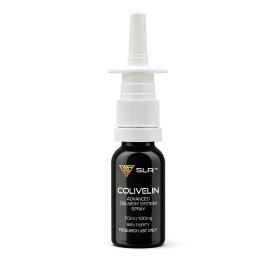
COLIVELIN - 10ml/100mg - Spray
€549.00
Tax excluded
IN-STOCK
favorite_border favorite
Colivelin is a humanin-family peptide that has been extensively investigated in preclinical research models for its involvement in neuronal stress-response pathways. Experimental studies conducted in vitro and in vivo indicate that Colivelin may influence mechanisms associated with amyloid-related aggregation processes, neuronal apoptosis, and synaptic plasticity regulation under neurodegenerative conditions.    FRESHLY PREPARED SOLUTION 
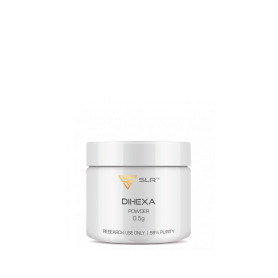
DIHEXA - 0,5g, 1g
€129.00
Tax excluded
IN-STOCK
favorite_border favorite
Dihexa is a synthetic, small-molecule angiotensin IV analog engineered for advanced neurological and cell signaling research. In preclinical and laboratory environments, investigation focuses on the following mechanisms:Synaptic Integrity Support: Studied for its high potency in promoting dendritic spine formation, spinogenesis, and the creation of new functional synapses between neurons. Neurotrophic Signaling Activation: Investigated for its capacity to bind to hepatocyte growth factor (HGF) and augment its activity, supporting cellular pathways relevant to synaptic plasticity and learning paradigms. Neurodegenerative Stress Adaptation: Observed in experimental models of neural stress to evaluate microarchitecture resilience and cognitive encoding mechanisms.This product is supplied as a high-purity compound strictly for laboratory research and advanced scientific evaluation. Not for human consumption or therapeutic use.
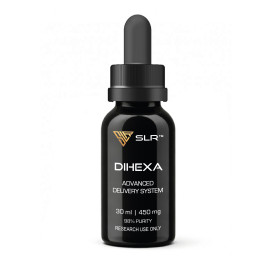
DIHEXA - 30ml/450mg
€165.00
Tax excluded
IN-STOCK
favorite_border favorite
Dihexa is a synthetic, small-molecule angiotensin IV analog engineered for advanced neurological and cell signaling research. In preclinical and laboratory environments, investigation focuses on the following mechanisms:Synaptic Integrity Support: Studied for its high potency in promoting dendritic spine formation, spinogenesis, and the creation of new functional synapses between neurons. Neurotrophic Signaling Activation: Investigated for its capacity to bind to hepatocyte growth factor (HGF) and augment its activity, supporting cellular pathways relevant to synaptic plasticity and learning paradigms. Neurodegenerative Stress Adaptation: Observed in experimental models of neural stress to evaluate microarchitecture resilience and cognitive encoding mechanisms.This product is supplied as a high-purity compound strictly for laboratory research and advanced scientific evaluation. Not for human consumption or therapeutic use.
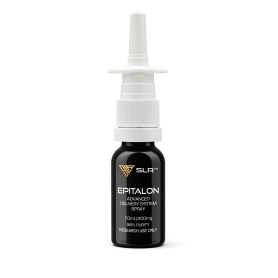
EPITALON - 10ml/200mg - Spray
€268.00
Tax excluded
IN-STOCK
favorite_border favorite
Epitalon (Ala-Glu-Asp-Gly) is a synthetic tetrapeptide bioregulator investigated in preclinical and in vitro research settings. In laboratory models, this compound is studied for its potential interaction with the following biological signaling pathways:Telomerase Regulation: Investigated for its involvement in telomerase activation and telomere length dynamics in cellular senescence models. Chromatin Accessibility: Studied for its role in chromatin decondensation and epigenetic gene expression modulation. Oxidative Stress Adaptation: Observed in experimental systems for its interaction with intracellular antioxidant enzymes and cellular survival under oxidative stress. Neuroendocrine Interactions: Evaluated in research paradigms for its potential influence on pineal gland signaling and melatonin synthesis regulation.This product is supplied as a high-purity lyophilized compound strictly for laboratory research and advanced experimental applications. Not for human or therapeutic use.
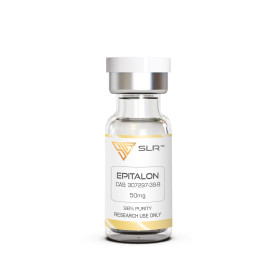
EPITALON - 50mg, 100mg
€59.00
Tax excluded
IN-STOCK
favorite_border favorite
Epitalon (Ala-Glu-Asp-Gly) is a synthetic tetrapeptide bioregulator investigated in preclinical and in vitro research settings. In laboratory models, this compound is studied for its potential interaction with the following biological signaling pathways:Telomerase Regulation: Investigated for its involvement in telomerase activation and telomere length dynamics in cellular senescence models. Chromatin Accessibility: Studied for its role in chromatin decondensation and epigenetic gene expression modulation. Oxidative Stress Adaptation: Observed in experimental systems for its interaction with intracellular antioxidant enzymes and cellular survival under oxidative stress. Neuroendocrine Interactions: Evaluated in research paradigms for its potential influence on pineal gland signaling and melatonin synthesis regulation.This product is supplied as a high-purity lyophilized compound strictly for laboratory research and advanced experimental applications. Not for human or therapeutic use.
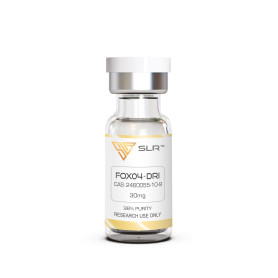
FOX04 - DRI - 30mg
€379.00
Tax excluded
IN-STOCK
favorite_border favorite
FOXO4-DRI is a research peptide investigated for its potential to selectively induce apoptosis in senescent cells. Preclinical studies have explored its effects on cellular senescence, physical performance, tissue function, and homeostasis in experimental models of aging.
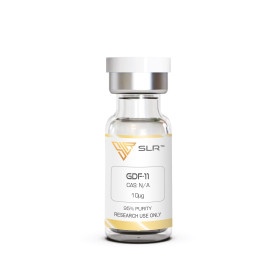
GDF-11 - 10ug
€119.00
Tax excluded
If the item is temporarily out of stock when you place your order, the item will automatically move to a back order status. Then, when we get that item back in stock, we will ship it to the shipping address on your account
favorite_border favorite
Experimental studies have investigated age-related variations in circulating and tissue GDF11 levels and their potential influence on regenerative processes.
GERMANIUM SESQUIOXIDE GE-132 - 99,99% - 50g
€189.00
Tax excluded
IN-STOCK
favorite_border favorite
Organic Germanium GE-132 (carboxyethylgermanium sesquioxide) is a water-soluble organogermanium compound investigated for its effects on immune signaling, chemokine regulation, and oxidative stress pathways. Research consistently highlights modulation of the CCL2–CCR2 chemokine axis, which influences monocyte recruitment and macrophage trafficking, as well as induction of interferon-associated pathways with activation of NK cells and macrophages in experimental models. GE-132 has also been shown to suppress NF-κB and MAPK signaling and reduce inflammatory mediators under controlled conditions. Another key feature is redox modulation. Several studies report protection against hydrogen peroxide–induced oxidative stress, increased intracellular glutathione, reduced LDL oxidation, elevated α-tocopherol levels, and improved antioxidant enzyme activity. In vitro data also indicate increased cellular ATP levels and potential support of mitochondrial bioenergetics. Preclinical oncology research describes effects on tumor microenvironment regulation, macrophage M1 gene polarization, inhibition of the CCL2 pathway, and reduction of tumor progression. Additional experimental contexts include vascular inflammation, myocardial remodeling, neuroinflammatory paradigms, hepatic oxidative injury, antiviral immune signaling, and wound healing biology.
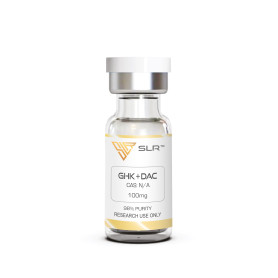
GHK + DAC - 100mg
€265.00
Tax excluded
IN-STOCK
favorite_border favorite
GHK with DAC is a modified form of the naturally occurring tripeptide GHK that has been engineered to enhance stability and prolong its persistence in experimental systems. Like native GHK, it has been widely investigated in laboratory and preclinical research for its involvement in multiple biological processes. Scientific studies suggest that GHK is associated with the following research-observed activities: Support of tissue repair processes Modulation of fibrinogen-related pathways Activation of DNA repair–related gene networks Engagement of the ubiquitin/proteasome system Influence on insulin and insulin-like signaling pathways. The addition of DAC (Drug Affinity Complex or stabilizing moiety) is designed to enhance resistance to enzymatic degradation and extend the duration of peptide activity in experimental conditions. This modification may allow for more sustained interaction with biological systems, supporting improved observation of time-dependent and cumulative effects in research models. Collectively, these properties make GHK with DAC a molecule of interest in research areas such as tissue regeneration, aging mechanisms, metabolic regulation, and cellular homeostasis, particularly in experimental settings where prolonged peptide exposure is required.
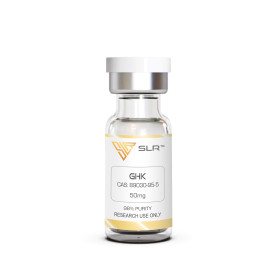
GHK - 50mg, 100mg
€56.00
Tax excluded
favorite_border favorite
GHK is a naturally occurring tripeptide that has been widely investigated in experimental and laboratory research for its involvement in multiple biological processes. Scientific studies suggest that GHK is associated with the following research-observed activities: Support of tissue repair processes: Linked to collagen-related pathways and cellular mechanisms involved in wound repair and tissue maintenance. Modulation of fibrinogen-related pathways: Associated with inflammatory signaling regulation and vascular biology mechanisms in experimental models. Activation of DNA repair–related gene networks: Observed to influence pathways connected to genomic stability and cellular maintenance. Engagement of the ubiquitin/proteasome system: Studied for its role in supporting protein quality control and cellular homeostasis. Influence on insulin and insulin-like signaling pathways: Associated with metabolic regulation mechanisms in gene expression studies. Collectively, these properties make GHK a molecule of interest in research areas such as cardiovascular biology, aging mechanisms, metabolic regulation, and tissue regeneration. 
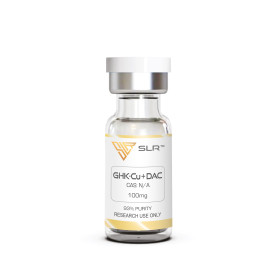
GHK-Cu + DAC - 100mg
€298.00
Tax excluded
IN-STOCK
favorite_border favorite
GHK-Cu with DAC is a modified version of the well-characterized copper tripeptide Gly-His-Lys (GHK), in which the peptide is conjugated with a stabilizing Maleimide-β-Ala linker designed to influence its persistence and interaction dynamics in experimental settings. Native GHK-Cu has been extensively studied for its involvement in tissue remodeling, extracellular matrix regulation, and cellular signaling processes. The addition of a DAC-type linker is intended to enhance the stability of the peptide and extend its functional presence in biological systems, allowing for more sustained interaction with target pathways under controlled research conditions. This modification does not alter the core peptide sequence but may influence how the compound behaves in terms of degradation resistance, distribution, and temporal activity profile. In laboratory and preclinical research, GHK-Cu has been associated with modulation of gene expression related to skin structure, cellular repair, inflammatory signaling, and oxidative balance. The DAC-conjugated form is therefore investigated as an extended-activity variant, suitable for studies requiring prolonged exposure and more stable peptide dynamics. All observations related to GHK-Cu and its modified forms derive from in vitro systems, animal studies, or other experimental models and are intended exclusively for scientific research purposes.
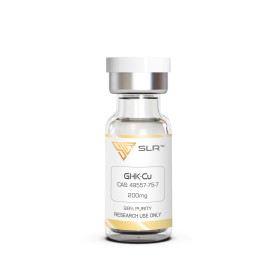
GHK-CU - 200mg
€98.00
Tax excluded
IN-STOCK
favorite_border favorite
INDEPENDENTLY TESTED • VERIFIED QUALITY ✓ Purity — HPLC analysis ✓ Identity — Mass spectrometry ✓ Net content  VERIFY COA AT FREEDOM DIAGNOSTICS → Enter search code: Suaw2605040578GHK-Cu is a naturally occurring copper-binding tripeptide widely studied for its role in tissue maintenance, cellular repair, and gene-regulatory processes. Research has associated GHK-Cu with multiple biological activities relevant to skin biology, cellular regeneration, and protective mechanisms at the molecular level. According to experimental and research observations, GHK-Cu has been associated with the following effects: Improves skin density and firmness Reduces the appearance of fine lines and deeper wrinkles Helps counteract photodamage related to environmental exposure Supports biological processes linked to hair follicle activity Demonstrates gene-regulatory activity relevant to cancer research models Supports mechanisms involved in nerve regeneration Activates pathways associated with DNA repair and cellular recovery All listed effects are derived from laboratory, preclinical, or controlled research contexts and are presented for scientific and educational purposes only.
HCG - 5000 IU
€68.00
Tax excluded
IN-STOCK
favorite_border favorite
HCG is a glycoprotein hormone studied in research contexts for its role in gonadotropin-related signaling pathways and endocrine regulatory mechanisms. It is associated with receptor-mediated processes involved in hormonal communication and system-wide endocrine coordination. Due to its well-characterized structure and role in endocrine signaling, HCG remains a key compound in experimental models investigating regulatory pathways of the hypothalamic–pituitary–gonadal axis.
HGH (191 AA) - 10 IU
€25.00
Tax excluded
Promotional price while stocks last
favorite_border favorite
HGH (191 AA) is a recombinant peptide hormone studied in research contexts for its role in endocrine signaling and systemic physiological regulation. It is associated with complex signaling pathways involved in cellular communication, metabolic coordination, and tissue-level regulatory processes. Due to its broad receptor distribution and multi-system activity, HGH remains a key subject of investigation in experimental models exploring integrative endocrine and metabolic mechanisms.