Peripheral Nervous System

Active filters

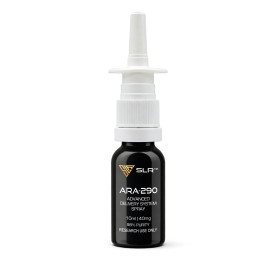
ARA-290 - 10ml/40mg - Spray
€189.00
Tax excluded
IN-STOCK
favorite_border favorite
ARA-290 has been investigated in preclinical and experimental research models designed to study inflammatory, metabolic, vascular, and neurobiological mechanisms relevant to the following disease-related research contexts: Cardiovascular-related experimental modelsRetinal ischemia and microvascular injury models Peripheral nerve injury and neuropathy models Small fiber nerve degeneration models Chronic inflammatory joint disease models Renal inflammation and metabolic stress models Hepatic lipid accumulation and inflammatory liver models Intestinal inflammation models Systemic autoimmune and immune dysregulation models Wound healing and tissue repair models  FRESHLY PREPARED SOLUTION 
ARA-290 - 40mg
€145.00
Tax excluded
IN-STOCK
favorite_border favorite
ARA-290 has been investigated in preclinical and experimental research models designed to study inflammatory, metabolic, vascular, and neurobiological mechanisms relevant to the following disease-related research contexts: Cardiovascular-related experimental modelsRetinal ischemia and microvascular injury models Peripheral nerve injury and neuropathy models Small fiber nerve degeneration models Chronic inflammatory joint disease models Renal inflammation and metabolic stress models Hepatic lipid accumulation and inflammatory liver models Intestinal inflammation models Systemic autoimmune and immune dysregulation models Wound healing and tissue repair models 
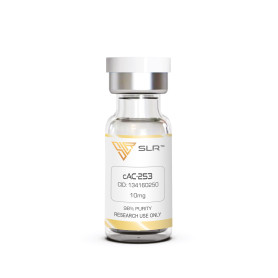
cAC-253 - 10mg
€376.00
Tax excluded
IN-STOCK
favorite_border favorite
cAC-253 is a disulfide-cyclized research peptide used in preclinical experimental models to investigate amylin receptor–mediated signaling under conditions of amyloid-associated cellular stress. In in vitro systems and animal studies, cAC-253 has been explored for its effects on synaptic function, learning- and memory-related signaling pathways, amyloid-associated biochemical markers, and neuroinflammatory responses, providing a tool for mechanistic research into receptor-specific pathways involved in synaptic integrity.
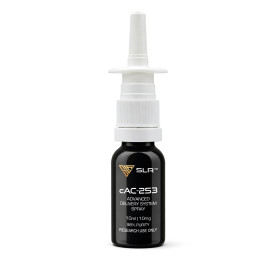
cAC-253 - 10ml/10mg - Spray
€496.00
Tax excluded
IN-STOCK
favorite_border favorite
cAC-253 is a disulfide-cyclized research peptide used in preclinical experimental models to investigate amylin receptor–mediated signaling under conditions of amyloid-associated cellular stress. In in vitro systems and animal studies, cAC-253 has been explored for its effects on synaptic function, learning- and memory-related signaling pathways, amyloid-associated biochemical markers, and neuroinflammatory responses, providing a tool for mechanistic research into receptor-specific pathways involved in synaptic integrity. FRESHLY PREPARED SOLUTION 
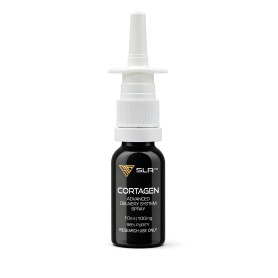
CORTAGEN - 10ml/100mg - Spray
€249.00
Tax excluded
IN-STOCK
favorite_border favorite
Cortagen has been investigated in preclinical and exploratory research settings for its potential involvement in brain reparative processes, cerebroprotective responses, and nootropic-like activity, within experimental models of cerebral stress and degeneration. Research literature has explored Cortagen in relation to the following neurobiological contexts: Cerebral lesion and injury models Neurodegenerative and dementing process models, including protein-aggregation and vascular-associated degeneration Extrapyramidal and movement-disorder research models Spinal and cerebellar system dysfunction models Central nervous system involvement in immune-mediated and inflammatory conditions Motor impairment and hemiplegia-related models Paralytic and neuromuscular dysfunction models Cerebral involvement in bacterial meningeal inflammation models Hemorrhagic cerebral stress models Transient and persistent cerebral ischemia models  FRESHLY PREPARED SOLUTION 
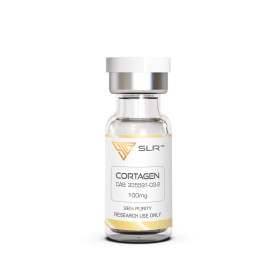
CORTAGEN -100mg
€190.00
Tax excluded
IN-STOCK
favorite_border favorite
Cortagen has been investigated in preclinical and exploratory research settings for its potential involvement in brain reparative processes, cerebroprotective responses, and nootropic-like activity, within experimental models of cerebral stress and degeneration. Research literature has explored Cortagen in relation to the following neurobiological contexts: Cerebral lesion and injury models Neurodegenerative and dementing process models, including protein-aggregation and vascular-associated degeneration Extrapyramidal and movement-disorder research models Spinal and cerebellar system dysfunction models Central nervous system involvement in immune-mediated and inflammatory conditions Motor impairment and hemiplegia-related models Paralytic and neuromuscular dysfunction models Cerebral involvement in bacterial meningeal inflammation models Hemorrhagic cerebral stress models Transient and persistent cerebral ischemia models 
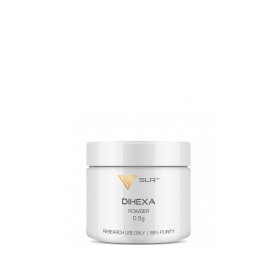
DIHEXA - 0,5g, 1g
€129.00
Tax excluded
IN-STOCK
favorite_border favorite
Research on Dihexa suggests it has been explored for its potential role in:Supporting neuronal repair mechanisms in experimental modelsPromoting synaptic connectivity and signaling pathways involved in neural plasticityEnhancing neurotrophic activity associated with growth-factor mediated communicationInvestigating protective effects in preclinical models of neurodegeneration, including Alzheimer’s- and Parkinson’s-related pathwaysSupporting cognitive performance parameters such as learning, memory formation, and recall in animal studiesImproving motivation- and mood-related behavioral markers in exploratory research modelsEnhancing mental endurance and sustained attention in cognitive testing paradigmsSupporting executive functions such as problem-solving and information processing speed in experimental settingsExploring effects on social recognition and interaction-related behavioral markers in preclinical studies
DIHEXA - 30ml/450mg
€165.00
Tax excluded
IN-STOCK
favorite_border favorite
Research on Dihexa suggests it has been explored for its potential role in: Supporting neuronal repair mechanisms in experimental models Promoting synaptic connectivity and signaling pathways involved in neural plasticity Enhancing neurotrophic activity associated with growth-factor mediated communication Investigating protective effects in preclinical models of neurodegeneration, including Alzheimer’s- and Parkinson’s-related pathways Supporting cognitive performance parameters such as learning, memory formation, and recall in animal studies Improving motivation- and mood-related behavioral markers in exploratory research models Enhancing mental endurance and sustained attention in cognitive testing paradigms Supporting executive functions such as problem-solving and information processing speed in experimental settings Exploring effects on social recognition and interaction-related behavioral markers in preclinical studiesFRESHLY PREPARED SOLUTION
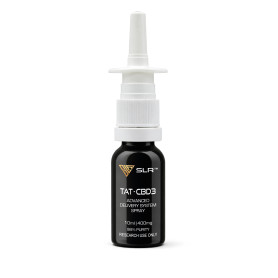
TAT-CBD3 - 10ml/400mg - Spray
€690.00
Tax excluded
Developed Compound ✦ Limited Stock Available
favorite_border favorite
TAT-CBD3 is a cell-penetrating peptide designed to modulate neuropathic pain by selectively disrupting the interaction between CRMP-2 and CaV2.2 voltage-gated calcium channels. By reducing calcium influx and excitatory neurotransmitter release, it decreases nociceptor hyperexcitability and abnormal pain signaling. Unlike conventional analgesics, TAT-CBD3 targets upstream molecular mechanisms involved in pain transmission, offering a more selective neuromodulatory approach. Preclinical studies have demonstrated its ability to reduce key features of neuropathic pain, including allodynia, hyperalgesia, and hypersensitivity.
VIP - VASOACTIVE INTESTINAL PEPTIDE - 6 mg
€70.00
Tax excluded
IN-STOCK
favorite_border favorite
VIP (Vasoactive Intestinal Peptide) is a 28–amino acid neuropeptide of the secretin–glucagon family, widely expressed in the brain, gastrointestinal tract, pancreas, lungs, heart, thyroid, adrenal glands, and thymus. It acts through the GPCR receptors VPAC1 and VPAC2, activating cAMP-related signaling pathways that regulate vascular tone, immune balance, secretion mechanisms, and neuronal survival. Research suggests VIP has neuroprotective and neurotrophic properties, supporting blood–brain barrier integrity, reducing oxidative stress, and modulating neuroinflammation, with relevance in neurodegenerative models such as Alzheimer’s and Parkinson’s disease. VIP also regulates circadian rhythm via hypothalamic signaling, supports gastrointestinal motility and barrier integrity, and has immunomodulatory effects by reducing pro-inflammatory cytokines and promoting immune tolerance. Additional studies indicate antifibrotic and vasodilatory activity relevant to cardiovascular and pulmonary disease models, as well as potential relevance in transplantation tolerance research and lacrimal secretion regulation in dry eye-related conditions.