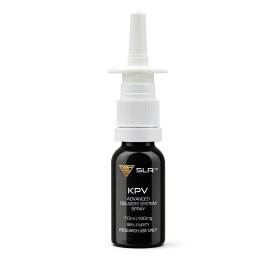
KPV - 10ml/100mg - Spray
€279.00

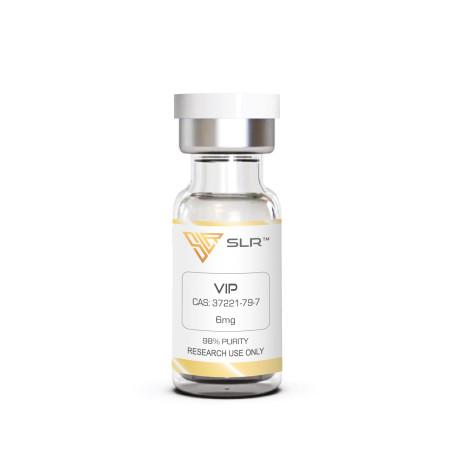

VIP (Vasoactive Intestinal Peptide) is a 28–amino acid neuropeptide of the secretin–glucagon family, widely expressed in the brain, gastrointestinal tract, pancreas, lungs, heart, thyroid, adrenal glands, and thymus. It acts through the GPCR receptors VPAC1 and VPAC2, activating cAMP-related signaling pathways that regulate vascular tone, immune balance, secretion mechanisms, and neuronal survival. Research suggests VIP has neuroprotective and neurotrophic properties, supporting blood–brain barrier integrity, reducing oxidative stress, and modulating neuroinflammation, with relevance in neurodegenerative models such as Alzheimer’s and Parkinson’s disease. VIP also regulates circadian rhythm via hypothalamic signaling, supports gastrointestinal motility and barrier integrity, and has immunomodulatory effects by reducing pro-inflammatory cytokines and promoting immune tolerance. Additional studies indicate antifibrotic and vasodilatory activity relevant to cardiovascular and pulmonary disease models, as well as potential relevance in transplantation tolerance research and lacrimal secretion regulation in dry eye-related conditions.
SPECIFICATIONS
Product Code: VIP006
Sequence: H-His-Ser-Asp-Ala-Val-Phe-Thr-Asp-Asn-Tyr-aThr-Arg-Leu-Arg-Lys-Gln-Met-Ala-Val-Lys-Lys-D-Tyr-Leu-Asn-Ser-aIle-Leu-Asn-OH
Molecular Formula: C147H237N43O43S
Molecular Weight: 3326.8 /mol
CAS: 37221-79-7
Purity: Technical / Research Grade 98%
Other details: No TFA Salt
Form: Solid
Color: White
Storage temperature: -20°C
Source: Synthetic
Safety classification: Standard handling
DESCRIPTION
Vasoactive Intestinal Peptide (VIP) is a 28–amino acid neuropeptide belonging to the secretin–glucagon peptide family, a group that includes other key regulatory peptides such as glucagon, secretin, PACAP, and GHRH. Originally isolated from intestinal tissue, VIP is now recognized as a widely distributed signaling molecule with major relevance in both the central nervous system (CNS) and the peripheral nervous system, as well as in endocrine and immune regulation.
VIP is synthesized as part of a larger precursor protein known as preproVIP, which contains the VIP sequence together with an accessory peptide (PHM in humans and PHI in other species). The presence of VIP in multiple organs and tissues reflects its broad physiological importance. It is expressed in the brain, gastrointestinal tract, pancreas, lungs, heart, thyroid, adrenal glands, and thymus, and is produced not only by neurons but also by endocrine and immune cells. This widespread expression has made VIP an important molecule in research exploring the interface between neural regulation, inflammation, immunity, and systemic homeostasis.
Structurally, VIP contains flexible conformational domains (including beta-turns and alpha-helical regions) that contribute to its ability to interact with multiple receptor systems. Its biological effects are primarily mediated through binding to the G-protein coupled receptors VPAC1 and VPAC2, which are expressed across numerous tissues. Through these receptors, VIP activates intracellular signaling cascades—especially pathways involving cyclic AMP (cAMP)—allowing precise modulation of immune activity, vascular tone, secretion mechanisms, and neuroprotective processes.
Mechanism of action and receptor signaling
VIP functions as a pleiotropic signaling molecule that influences cellular activity by activating the VPAC1 and VPAC2 receptors. These receptors are widely expressed in nervous tissue, vascular endothelium, smooth muscle, immune cells, and secretory organs. When VIP binds to these receptors, it triggers intracellular pathways that regulate gene expression, inflammatory mediator release, vasodilation, and cellular survival responses.
One of VIP’s most studied signaling mechanisms involves activation of cAMP-dependent pathways, which are closely associated with smooth muscle relaxation, secretory regulation, and modulation of immune cytokine output. VIP signaling can influence transcription factors involved in inflammation and cellular stress response, making it a molecule of strong interest in chronic inflammatory disease models.
Because VPAC receptors are present in both immune cells and neurons, VIP is often described as a key neuroimmune regulator capable of linking nervous system activity to immune homeostasis.
Neuroprotective and neurotrophic activity
One of the most significant areas of VIP research involves its role in protecting nervous tissue from degeneration, inflammation, and oxidative stress. Neurodegenerative conditions are often associated with chronic neuroinflammation, mitochondrial dysfunction, oxidative damage, and progressive synaptic loss. VIP has been investigated as a neuropeptide capable of supporting neuronal resilience by modulating inflammatory responses and stimulating the production of neurotrophic factors.
Research suggests that VIP may support brain health through multiple mechanisms, including:
VIP has also been associated with stimulation of neurotrophic factors such as BDNF (Brain-Derived Neurotrophic Factor) and ADNP (Activity-Dependent Neuroprotective Protein), both of which are important for synaptic plasticity, astrocyte support, and long-term neuronal survival.
In experimental models of Alzheimer’s disease, VIP has been investigated for its ability to reduce oxidative injury and influence amyloid-related pathology. In Parkinson’s disease models, VIP has been discussed as a neuroimmune modulator capable of shifting immune balance away from pro-inflammatory Th1 signaling toward a more regulatory Th2 profile. These findings have contributed to interest in VIP as a molecule potentially relevant to neurodegenerative research, cognitive aging, and neuroinflammation-related disorders.
Circadian rhythm and central homeostasis
VIP has also been studied for its role in circadian rhythm regulation. Within the hypothalamus, VIP is strongly associated with neurons in the suprachiasmatic nucleus (SCN), the central biological clock responsible for coordinating daily circadian rhythms.
By supporting synchronization of SCN signaling, VIP contributes to circadian regulation of sleep–wake cycles, hormonal rhythms, body temperature patterns, and metabolic timing. Because circadian disruption is associated with neurodegeneration, immune dysregulation, metabolic syndrome, and mood disorders, VIP’s role in circadian signaling has become increasingly relevant in research related to systemic aging and neurological stability.
Gastrointestinal regulation and intestinal barrier integrity
VIP was originally discovered in the intestine, and its role in gastrointestinal regulation remains one of its most established physiological functions. Within the digestive tract, VIP contributes to autonomic balance by promoting smooth muscle relaxation and regulating secretion and absorption processes.
VIP has been studied for its ability to influence:
A particularly important area of interest involves VIP’s potential role in protecting the intestinal epithelial barrier. In chronic inflammatory bowel diseases such as Crohn’s disease and ulcerative colitis, intestinal permeability and immune dysregulation contribute to progressive inflammation. VIP has been investigated as a molecule capable of supporting epithelial integrity and shifting immune signaling toward anti-inflammatory patterns, including enhanced IL-10-related regulatory pathways.
Because gut inflammation is closely linked to systemic inflammation and neuroimmune imbalance, VIP’s gastrointestinal activity is often considered relevant far beyond digestion alone.
Immune modulation and inflammatory balance
VIP is widely regarded as a major immunoregulatory neuropeptide with activity across both innate and adaptive immunity. In the innate immune system, VIP has been shown to influence immune cell behavior by modulating dendritic cells, macrophages, and neutrophils. Research suggests it may suppress the release of pro-inflammatory cytokines such as TNF-α and IL-6 while promoting a more balanced inflammatory response.
In adaptive immunity, VIP has been studied for its potential to promote immune tolerance by enhancing regulatory T-cell activity and shifting immune polarization away from aggressive Th1-driven inflammatory profiles toward more regulatory Th2-associated patterns.
This immunomodulatory profile has made VIP relevant in research involving chronic inflammation, immune-mediated tissue damage, autoimmune-like inflammatory patterns, and systemic inflammatory stress conditions.
Because chronic immune dysregulation is increasingly recognized as a driver of cardiovascular disease, neurodegeneration, metabolic dysfunction, and tissue fibrosis, VIP has become an important molecule in studies investigating inflammatory homeostasis.
Antifibrotic effects and tissue remodeling
Fibrosis is a progressive degenerative process involving excessive deposition of extracellular matrix proteins, leading to organ stiffening and loss of function. Fibrotic processes are central to many chronic diseases, including pulmonary fibrosis, cardiac remodeling, intestinal fibrosis, and liver fibrosis.
VIP has been investigated for antifibrotic activity through mechanisms involving suppression of pro-fibrotic signaling pathways and reduction of smooth muscle cell proliferation. Research suggests VIP may influence transcription factors such as NFAT and may reduce expression of genes associated with tissue remodeling and pathological collagen deposition.
These properties have led to interest in VIP in research involving:
Because fibrosis often represents an end-stage consequence of chronic inflammation, VIP’s combined anti-inflammatory and antifibrotic profile is considered particularly significant.
Cardiovascular regulation and vascular health
VIP is also recognized as a potent vasodilator and cardiovascular regulatory peptide. It has been studied for its ability to modulate vascular tone, improve coronary blood flow, and influence endothelial signaling pathways.
VIP’s cardiovascular effects are associated with:
In experimental research, VIP has also been linked to reduced expression of genes involved in cardiac remodeling, suggesting potential relevance in models of chronic heart stress, vascular dysfunction, and fibrotic progression. Because endothelial dysfunction is a major driver of cardiovascular disease, VIP’s vasodilatory and anti-inflammatory activity has attracted interest in cardiovascular biology research.
Respiratory function and pulmonary research
VIP is also known for bronchodilatory properties and has been studied for its effects in respiratory conditions involving inflammation and impaired pulmonary function. In particular, VIP has been explored for its potential protective role in alveolar tissue and pulmonary vasculature.
A synthetic form of VIP, often referenced as Aviptadil, has been studied in severe respiratory disease models, including research related to viral-associated lung injury. Interest in VIP’s pulmonary effects is largely driven by its combined bronchodilatory, anti-inflammatory, and vasoregulatory properties, as well as its potential ability to protect alveolar epithelial structures.
These findings have positioned VIP as a molecule of interest in research involving COPD-related degeneration, pulmonary hypertension, inflammatory lung injury, and fibrosis-associated pulmonary decline.
Organ transplantation and immune tolerance research
Another important research direction involves VIP’s potential role in immune tolerance. Because graft rejection is driven by immune recognition and dendritic-cell-mediated activation of T-cells, VIP has been investigated as a targeted immunomodulator capable of influencing dendritic cell activity and reducing rejection-related immune aggression.
This selective immune-regulatory profile has led to interest in VIP as a molecule potentially capable of supporting tolerance mechanisms without broadly suppressing immune function in the way that traditional immunosuppressants may do.
Chronic inflammatory response models and environmental inflammation
VIP has also been explored in research involving chronic inflammatory response syndromes and prolonged environmental immune activation. Some studies have suggested that VIP may influence gene activation patterns associated with chronic inflammation, which has led to its discussion in research frameworks involving prolonged immune stress.
Because VIP affects both cytokine signaling and neuroendocrine balance, it is considered relevant in models where chronic inflammation produces fatigue-like symptoms, neuroimmune disruption, and systemic dysregulation.
Lacrimal secretion and ocular surface support
VIP has also been investigated for its role in regulating lacrimal gland function and tear production. Research suggests that VIP may stimulate fluid secretion in lacrimal gland ducts through activation of the cAMP–CFTR pathway, contributing to tear film hydration. It has also been reported to increase protein secretion from lacrimal acinar cells, supporting tear composition and ocular surface integrity.
Additionally, VIP is associated with parasympathetic signaling pathways, which play a major role in tear secretion and ocular surface regulation. Because inflammation is a key driver of dry eye disorders, VIP’s anti-inflammatory activity may provide further relevance in ocular surface research.
These findings have contributed to interest in VIP in studies involving dry eye conditions, lacrimal gland dysfunction, and ocular inflammatory stress.
Research perspective
VIP is increasingly recognized as one of the most multifunctional neuropeptides in human biology, with activity spanning neuroprotection, immune modulation, gastrointestinal regulation, vascular control, antifibrotic signaling, and secretory system regulation. Its expression in both neuronal and immune cells highlights its importance as a central neuroimmune messenger.
Because chronic inflammation and oxidative stress contribute to neurodegeneration, cardiovascular disease, metabolic decline, and fibrosis, VIP has become a highly relevant molecule in research exploring systemic resilience and inflammatory homeostasis.
Its ability to signal through VPAC1 and VPAC2 receptors across multiple tissues provides a strong mechanistic foundation for its broad biological effects, making VIP a key target of interest in neuroendocrine and immunology research.
REFERENCES
M. Iwasaki et al., "Recent advances in vasoactive intestinal peptide physiology and pathophysiology: focus on the gastrointestinal system" [PubMed]
X. Bai et al., "Vasoactive Intestinal Polypeptide Plays a Key Role in the Microbial-Neuroimmune Control of Intestinal Motility" [PubMed]
M. Delgado et al., "Vasoactive intestinal peptide in the immune system: potential therapeutic role in inflammatory and autoimmune diseases" [PubMed]
T. Kudo et al., "Vasoactive intestinal peptide produces long-lasting changes in neural activity in the suprachiasmatic nucleus" [PubMed]
C.M. White et al., "Therapeutic potential of vasoactive intestinal peptide and its receptors in neurological disorders" [PubMed]
C. O'Morain et al., "Vasoactive intestinal peptide concentrations and immunocytochemical studies in rectal biopsies from patients with inflammatory bowel disease" [PubMed]
R.J. Henning et al., "asoactive intestinal peptide: cardiovascular effects" [PubMed]
M. Delgado et al., "Vasoactive intestinal peptide: a neuropeptide with pleiotropic immune functions" [PubMed]
M. Kakurai et al., "Vasoactive intestinal peptide regulates its receptor expression and functions of human keratinocytes via type I vasoactive intestinal peptide receptors" [PubMed]
R.A. Simon et al., "Vasoactive intestinal polypeptide plasma levels associated with affective symptoms and brain structure and function in healthy females" [PubMed]
J.M. Hill et al., "Vasoactive intestinal peptide in neurodevelopmental disorders: therapeutic potential" [PubMed]
M. Delgado et al., "Vasoactive intestinal peptide prevents experimental arthritis by downregulating both autoimmune and inflammatory components of the disease" [PubMed]
M. Hara et al., "Vasoactive intestinal peptide increases apoptosis of hepatocellular carcinoma by inhibiting the cAMP/Bcl-xL pathway" [PubMed]
M. Boirivant et al., "Vasoactive intestinal polypeptide modulates the in vitro immunoglobulin A production by intestinal lamina propria lymphocytes" [PubMed]
D.E. Brenneman et al., "Vasoactive intestinal peptide and electrical activity influence neuronal survival" [PubMed]
F. Alessandrini et al., "Vasoactive intestinal peptide enhances lung preservation" [PubMed]
M. Delgado et al., "Vasoactive intestinal peptide prevents activated microglia-induced neurodegeneration under inflammatory conditions: potential therapeutic role in brain trauma" [PubMed]
M. Yadav et al., "Vasoactive intestinal peptide-mediated Th17 differentiation: an expanding spectrum of vasoactive intestinal peptide effects in immunity and autoimmunity" [PubMed]
D. Varro et al., "VIP+ amacrine cells synchronize neural activity in the retina" [Biorxiv]
J. McCulloch et al., "A functional role for vasoactive intestinal polypeptide in anterior cingulate cortex" [PubMed]
DISCLAIMER
This product is intendend for lab research and development use only. These studies are performed outside of the body. This product is not medicines or drugs and has not been approved by the FDA or EMA to prevent, treat or cure any medical condition, ailment or disease. Bodily introduction of any kind into humans or animals is strictly forbidden by law. This product should only be handled by licensed, qualified professionals.
All product information provided on this website is for informational and educational purposes only.
| Image | Ref. | Unit price | Weight | Avail. | Buy |
|---|---|---|---|---|---|
| VIP006 | €59.00 Discount by quantity 10+ €50.15 –15% 20+ €42.48 –28% 50+ €36.58 –38% 100+ €32.45 –45% 200+ €29.50 –50% | 0.000000 kg |  | |
| Total: 0,0 All prices with tax included. | |||||
Product is available Product is no longer in stock
 Product is no in stock, but is allowed to be back-ordered