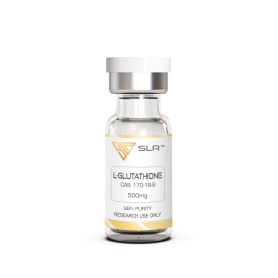
L-GLUTATHIONE - 500mg
€29.00



KPV (Lys-Pro-Val) is a short tripeptide derived from the C-terminal sequence of α-melanocyte-stimulating hormone (α-MSH). It has been investigated in experimental research for its potential role in modulating inflammatory signaling pathways and cellular immune responses.
Preclinical studies have explored KPV in intestinal and dermatological research models, with particular attention to epithelial barrier function, inflammatory regulation, and tissue homeostasis.
Additional laboratory investigations have examined its interactions with cellular pathways associated with tissue repair, wound healing, and host–microbial responses.
The biological properties and molecular mechanisms of KPV remain subjects of ongoing scientific investigation.
FRESHLY PREPARED SOLUTION
ADVANCED DELIVERY SYSTEM - CELL PENETRATING PEPTIDE TECHNOLOGY
This product utilizes advanced delivery technology incorporating calibrated cell-penetrating peptide (CPP) systems. The formulation is engineered to support efficient and targeted intracellular delivery of active ingredients, contributing to enhanced transport performance and bioavailability.
SPECIFICATIONS
Product Code: KPV100S
Sequence: Lys-Pro-Val
Molecular Formula: C16H30N4O4
Molecular Weight: 342.43 g/mol
CAS: 67727-97-3
Purity: Technical / Research Grade ≥98%
Other details: No TFA Salt
Form: Liquid Solution
Color: Clear / Slightly opalescent
Total Content: 10 mL / 100 mg
Concentration: 10 mg/mL
Approximate Sprays per Bottle: ~82
Approximate Peptide per Spray: ~1.22 mg
Vehicle / Carrier System: Proprietary carrier system
Storage Temperature: 4°C (Do not freeze)
Source: Synthetic
Safety classification: Standard handling
DESCRIPTION
KPV is the C-terminal peptide fragment of alpha-melanocyte-stimulating hormone (α-MSH). The peptide KPV, composed of lysine, proline, and valine, has been extensively studied in experimental and preclinical settings for its role in modulating inflammatory processes. Ongoing research has focused on KPV in studies related to inflammatory bowel disease and other inflammation-associated conditions. Evidence from laboratory and animal models suggests that KPV exhibits anti-inflammatory activity in multiple biological systems, including the central nervous system, gastrointestinal tract, lungs, cardiovascular system, and joint tissues.
One of the most significant findings emerging from KPV research is its association with reduced intestinal inflammatory signaling. In mouse models of inflammatory bowel disease, KPV has demonstrated reductions in inflammatory cell infiltration, myeloperoxidase (MPO) activity, and histological markers of inflammation. Animals receiving KPV exhibited faster recovery patterns and increases in body weight compared to placebo-treated controls. Additional research has shown associations with reduced tumor necrosis factor alpha (TNF-α) levels and accelerated mucosal repair processes.
Experimental data indicate that KPV can inhibit nuclear factor kappa B (NF-κB) and mitogen-activated protein kinase (MAPK), both central mediators of inflammatory signaling cascades. In comparative studies, animals treated with KPV displayed reduced colonic inflammatory infiltration and preservation of normal colon length relative to untreated controls.
Research led by Didier Merlin demonstrated that KPV enters small intestinal epithelial cells via the PepT1 transporter, which is upregulated during inflammatory states. This mechanism may explain why KPV shows greater activity in inflamed tissue and minimal effects under normal physiological conditions.
Early studies conducted in 1984 showed anti-inflammatory and antipyretic properties in rabbit models, although with lower potency compared to intact α-MSH. Unlike α-MSH, KPV does not induce skin pigmentation, which has positioned it as a preferred fragment for research exploring anti-inflammatory mechanisms without pigmentation-related effects.
α-MSH and related peptides demonstrate anti-inflammatory activity across multiple experimental disease models, including fever, dermatitis, vasculitis, fibrosis, arthritis, and inflammation affecting the eyes, brain, lungs, and gastrointestinal system. While α-MSH generally shows stronger overall activity, KPV preserves a substantial portion of its anti-inflammatory profile without pigmentation effects.
Research suggests that KPV may influence innate immune responses and inhibit the growth of microorganisms such as Staphylococcus aureus and Candida albicans at physiological concentrations. Experimental observations suggest that KPV may modulate inflammatory signaling without necessarily producing broad suppression of host immune responses under the conditions investigated.
Unlike α-MSH, KPV does not appear to exert its activity via classical melanocortin receptor pathways. Studies in mouse models have shown that inhibition of MC3 and MC4 receptors does not block the anti-inflammatory actions of KPV, supporting the involvement of alternative signaling mechanisms.
Preclinical studies have investigated KPV using different experimental delivery approaches, including oral and transdermal systems, to examine its biological activity and transport mechanisms in laboratory and animal models.
REFERENCES
All observations described above originate from in vitro systems, animal studies, or other preclinical experimental models. They are intended solely to support basic research into molecular, cellular, and physiological mechanisms and do not imply therapeutic, diagnostic, or preventive applications in humans or animals.
T. Brzoska et al., “Terminal signal: anti-inflammatory effects of α-melanocyte-stimulating hormone related peptides beyond the pharmacophore” [PubMed]
G. Dalmasso et al., “PepT1-mediated tripeptide KPV uptake reduces intestinal inflammation” [PubMed]
K. Pawar et al., “Transdermal Iontophoretic Delivery of Lysine-Proline-Valine (KPV) Peptide Across Microporated Human Skin” [PubMed]
M. E. Hiltz et al., “Antiinflammatory activity of a COOH-terminal fragment of the neuropeptide alpha-MSH” [PubMed]
T. Brzoska et al., “Alpha-melanocyte-stimulating hormone and related tripeptides: antiinflammatory and protective effects in vitro and in vivo” [PubMed]
S. J. Getting et al., “Dissection of the Anti-Inflammatory Effect of the Core and C-Terminal (KPV) -Melanocyte-Stimulating Hormone Peptides” [Journal of Pharmacology and Experimental Therapeutics]
B. Xiao et al., “Orally Targeted Delivery of Tripeptide KPV via Hyaluronic Acid-Functionalized Nanoparticles Efficiently Alleviates Ulcerative Colitis” [PubMed]
K. Kannengiesser et al., “Melanocortin-derived tripeptide KPV has anti-inflammatory potential in murine models of inflammatory bowel disease” [Inflammatory Bowel Diseases]
T. A. Luger et al., “alpha-MSH related peptides: a new class of anti-inflammatory and immunomodulating drugs” [PubMed]
DISCLAIMER
This product is intended for laboratory research and development use only. This product is not a medicine or drug and has not been approved by the FDA or EMA to prevent, treat, or cure any medical condition or disease. Administration to humans or animals is strictly prohibited under our product usage policy. This product should only be handled by qualified laboratory professionals.
All product information provided on this website is for informational and educational purposes only.
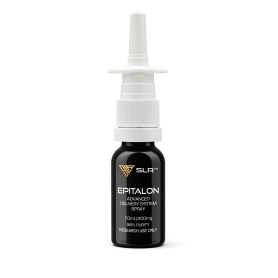
| Image | Ref. | Unit price | Weight | Avail. | Buy |
|---|---|---|---|---|---|
| KPV100S | €279.00 Discount by quantity 10+ €223.20 –20% 20+ €195.30 –30% 50+ €172.98 –38% 100+ €156.24 –44% 200+ €139.50 –50% | 0.100000 kg |  | |
| Total: 0,0 All prices with tax included. | |||||
Product is available Product is no longer in stock
 Product is no in stock, but is allowed to be back-ordered