GHK-CU - 200mg
€98.00

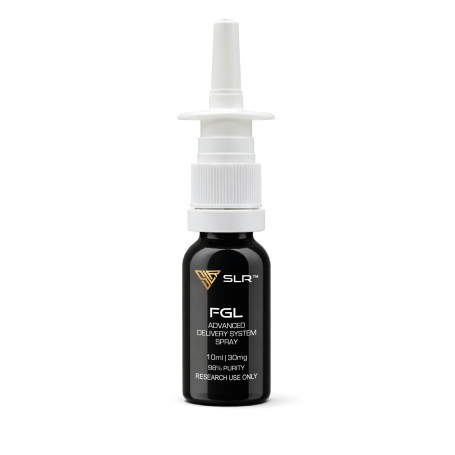

FGL has been investigated in experimental and preclinical research settings for its role in supporting synapse formation between neurons, a process associated with synaptic plasticity and structural neuronal adaptation. Increased activity-dependent synaptic communication observed in research models suggests that FGL may contribute to information encoding mechanisms underlying learning and memory-related processes.
According to experimental studies, FGL has been explored in relation to the following neurobiological contexts:
Neuroprotective mechanisms in neuronal stress models
Modulation of cognitive performance parameters in experimental systems
Neural recovery and adaptation following traumatic brain injury models
Protection against experimentally induced neurotoxic stress
Memory-related processes in learning paradigms
Learning-associated synaptic plasticity mechanisms
Neurodegenerative and cognitive decline research models
Modulation of neuroinflammatory signaling in central nervous system models
Regulation of mood-related behavioral parameters in experimental settings
Activity-dependent enhancement of excitatory synaptic transmission
FRESHLY PREPARED SOLUTION
ADVANCED DELIVERY SYSTEM – CELL PENETRATING PEPTIDE TECHNOLOGY
This product utilizes advanced delivery technology incorporating calibrated cell-penetrating peptide (CPP) systems. The formulation is engineered to support efficient and targeted intracellular delivery of active ingredients, contributing to enhanced transport performance and bioavailability.
SPECIFICATIONS
Product Code: FGL030S
Sequence: pGlu-Val-Tyr-Val-Val-Ala-Glu-Asn-Gln-Gln-Gly-Lys-Ser-Lys-Ala
Molecular Formula: C71H116N20O25
Molecular Weight: 1631.81 g/m
CAS: 499993-62-3
Purity: Technical / Research Grade ≥98%
Other Details: No TFA Salt
Form: Liquid solution
Appearance: Clear to slightly opalescent
Total Content: 10 mL / 30 mg
Concentration: 3 mg/mL
Approximate Sprays per Bottle: ~82
Approximate Peptide per Spray: ~365 mcg
Vehicle / Carrier System: Proprietary carrier system
Storage Temperature: 4°C (Do not freeze)
Source: Synthetic
Safety Classification: Standard laboratory handling
DESCRIPTION
FGL (Fibroblast Growth Loop) is a synthetic peptide derived from a functional sequence of the neural cell adhesion molecule (NCAM), a glycoprotein expressed on neurons and glial cells. NCAM plays an established role in neuronal development, synaptic plasticity, and cellular signaling.
Experimental research indicates that activation of NCAM-related pathways through FGL exposure is associated with increased neurite outgrowth in developing neurons. In preclinical models, FGL has also been linked to enhanced synapse formation and structural adaptation of neuronal networks.
NCAM signaling is known to interact with fibroblast growth factor receptors (FGFRs). FGL has been shown to replicate specific NCAM-mediated effects by acting as a selective FGFR agonist. Through this interaction, FGL activates intracellular signaling cascades associated with synaptic plasticity and activity-dependent neuronal strengthening.
Importantly, experimental findings suggest that FGL does not induce generalized baseline increases in synaptic transmission. Instead, it selectively enhances long-term potentiation (LTP) in response to physiological synaptic activation. In controlled experimental systems, FGL-exposed regions have demonstrated significantly increased LTP magnitude compared to untreated controls.
This activity-dependent profile has attracted research interest in models characterized by reduced synaptic plasticity and impaired neuronal communication.
Animal studies have reported associations between FGL exposure and improvements in multiple learning and memory paradigms, including spatial memory, fear-associated memory, and motor learning models. In several experimental systems, spatial memory performance enhancements persisted beyond the immediate exposure period.
FGL has also been investigated in stress-related cognitive models. In preclinical chronic stress paradigms, FGL administration during stress exposure was associated with preservation of spatial learning performance.
In amyloid-related experimental models of synaptic disruption, FGL exposure has been associated with attenuation of synaptic deficits and improved behavioral performance measures, along with reduced amyloid-related aggregation in certain systems.
Neuronal plasticity, a core function of NCAM-mediated signaling, has also been explored in relation to affective behavior models. In NCAM-deficient systems, FGL exposure has been associated with modulation of depression-like behaviors and increased survival of newly generated neurons in neurogenic regions.
Preclinical safety evaluations indicate that FGL demonstrates a favorable tolerability profile in research settings. In controlled human exposure studies using intranasal administration, no serious safety signals were reported, with only mild and transient local effects observed.
FGL has been shown to cross the blood–brain barrier and activate FGFR1-related signaling pathways within the central nervous system. These pathways are associated with neurite outgrowth, neuronal survival, synaptic modulation, and activity-dependent plasticity.
Additional experimental findings suggest that FGL exposure may be associated with:
At the molecular level, FGL-mediated modulation of synaptic transmission involves increased trafficking of AMPA-type glutamate receptors to the neuronal membrane during activity-dependent plasticity processes. This mechanism occurs in conjunction with protein kinase C (PKC)-associated signaling cascades.
REFERENCES
All information presented above is derived from in vitro experiments, animal studies, and other preclinical research models. These data are intended solely for scientific investigation and do not imply therapeutic or clinical application.
F.F. Cox et al., "The neural cell adhesion molecule-derived peptide, FGL, attenuates lipopolysaccharide-induced changes in glia in a CD200-dependent manner" [PubMed]
R. Klein et al., "The synthetic NCAM mimetic peptide FGL mobilizes neural stem cells in vitro and in vivo" [PubMed]
T. Secher et al., "Effect of an NCAM mimetic peptide FGL on impairment in spatial learning and memory after neonatal phencyclidine treatment in rats" [PubMed]
M.V. Pedersen et al., "The synthetic NCAM-derived peptide, FGL, modulates the transcriptional response to traumatic brain injury" [ScienceDirect]
N.J. Corbett et al., "Amyloid-beta induced CA1 pyramidal cell loss in young adult rats is alleviated by systemic treatment with FGL" [PubMed]
D. Asua et al., "Peptides Acting as Cognitive Enhancers" [PubMed]
R. Klein et al., "NCAM-Peptide FGL mobilizes endogenous neural stem cells after stroke" [Europe PMC]
B. Ojo et al., "FGL attenuates glial cell activation in the aged hippocampus" [PubMed]
S.R. Wainwright et al., "Neural plasticity theory of depression" [PubMed]
C. Chu et al., "NCAM Mimetic Peptides: Potential Target for Neurological Disorders" [PubMed]
J.L. Neiiendam et al., "FGL-peptide induces neurite outgrowth and neuronal survival" [PubMed]
G. Dallérac et al., "FGL facilitates long-term plasticity in the dentate gyrus" [PubMed]
C. Zellinger et al., "Impact of FGL on seizure progression" [ACS Publications]
C.A. Turner et al., "NCAM peptide mimetics modulate emotionality" [PubMed]
S. Knafo et al., "Facilitation of AMPA receptor synaptic delivery" [PubMed]
E.J. Downer et al., "FGL exerts anti-inflammatory properties" [PubMed]
G.G. Skibo et al., "FGL protects hippocampal neurons from ischemic insult" [PubMed]
Y. Chen et al., "FGFR agonist FGL activates FGFR substrate differently" [PubMed]
A. Anourm-Helm et al., "FGL restores disrupted FGFR phosphorylation in NCAM-deficient mice" [PubMed]
A. Anourm-Helm et al., "Depression-like behaviour in NCAM-deficient mice reversed by FGL" [PubMed]
DISCLAIMER
This product is intended strictly for laboratory research and development use only. It is not a medicine, pharmaceutical product, or dietary supplement. It has not been evaluated or approved by the FDA, EMA, or any regulatory authority for the prevention, treatment, or diagnosis of any disease.
Bodily introduction into humans or animals is strictly prohibited. This product must be handled exclusively by qualified laboratory professionals.
All product information provided on this website is for scientific and educational purposes only.
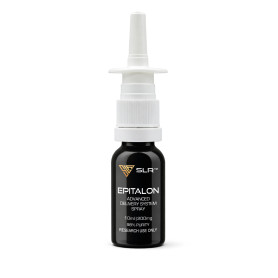

| Image | Ref. | Unit price | Weight | Avail. | Buy |
|---|---|---|---|---|---|
| FGL030S | €228.00 Discount by quantity 10+ €182.40 –20% 20+ €159.60 –30% 50+ €141.36 –38% 100+ €127.68 –44% 200+ €114.00 –50% | 0.100000 kg |  | |
| Total: 0,0 All prices with tax included. | |||||
Product is available Product is no longer in stock
 Product is no in stock, but is allowed to be back-ordered