GHK-CU - 200mg
€98.00

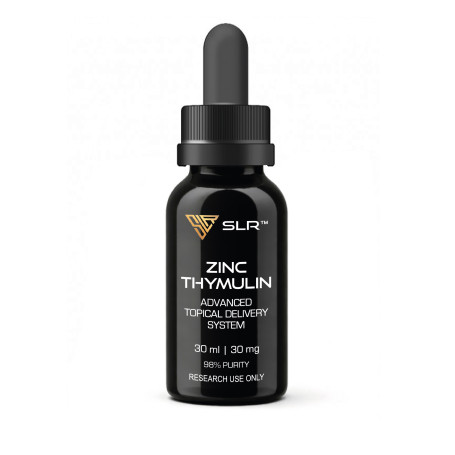

Zinc Thymulin (FTS – Zinc Complex) is a zinc-coordinated nonapeptide formulation developed for research in scalp and hair follicle biology. The complex integrates peptide-mediated immune signaling modulation with zinc-dependent enzymatic support, reflecting the multidimensional regulation of follicular growth.
Within the hair follicle microenvironment, coordinated control of anagen duration, stem cell activation, oxidative balance, and microinflammatory signaling is essential for maintaining hair density and structural integrity. Zinc functions as a critical cofactor in cellular proliferation, keratin synthesis, and antioxidant defense systems, while thymulin has been investigated for its influence on immune-regulatory pathways relevant to follicular stability.
Research observations suggest that zinc–thymulin complexes may contribute to maintenance of active growth-phase dynamics, support intermediate hair formation, and promote a balanced follicular microenvironment. Rather than targeting a single pathway, the formulation is studied for its integrated influence on cellular signaling, redox regulation, and micronutrient-dependent processes involved in scalp tissue homeostasis.
FRESHLY PREPARED SOLUTION
ADVANCED DELIVERY SYSTEM - STRUCTURED CARRIER TECHNOLOGY
This product utilizes a structured topical delivery architecture integrating membrane-interactive carrier matrices with controlled CPP-assisted transport modulation. The formulation is engineered according to the physicochemical profile of the research compound to support membrane interaction, diffusion behavior, and preservation of molecular integrity.
SPECIFICATIONS
Product Code: ZTH015T
Zinc Thymulin (FTS – Zinc Complex)
Sequence: Pyr-Glu-Ala-Lys-Ser-Gln-Gly-Gly-Ser-Asn
Molecular Formula (FTS): C33H57N11O16
Molecular Weight (FTS): 858.9 g/mol
Molecular Weight (Zinc Complex): ~923–924 g/mol
CAS (Thymulin / FTS): 63958-90-7
Purity: Technical / Research Grade ≥98%
Form: Liquid Solution
Color: Clear / Slightly opalescent
Total Content: 30 mL / 30 mg
Concentration: 1 mg/mL
Vehicle / Carrier System: Proprietary carrier system
Storage Temperature: 4°C (Do not freeze)
Source: Synthetic
Safety Classification: Standard laboratory handling
DESCRIPTION
Hair growth is a dynamic biological process regulated by complex interactions between epithelial stem cells, dermal papilla cells, microvascular supply, extracellular matrix components, immune signaling, and micronutrient availability. Progressive hair thinning and follicular miniaturization are common phenomena observed with aging and are influenced by hormonal, inflammatory, metabolic, and microenvironmental factors. The hair follicle is a highly specialized mini-organ that cycles through three primary phases:
• Anagen (active growth phase)
• Catagen (regression phase)
• Telogen (resting phase)
Maintenance of a prolonged anagen phase is critical for visible hair density and shaft thickness. Disruption of follicular signaling networks can lead to shortened anagen duration, progressive miniaturization, and reduced production of terminal hairs. Zinc–Thymulin is a zinc-coordinated nonapeptide complex investigated in hair follicle biology for its role in follicular microenvironment modulation, immune signaling balance, and anagen phase support.
Thymulin Biology in Hair Follicle Research
Thymulin is a thymus-derived nonapeptide whose biological activity depends on zinc coordination. Zinc binding stabilizes its conformational structure and enables interaction with cellular signaling pathways involved in immune regulation and tissue homeostasis. In the context of scalp and follicular biology, thymulin has been investigated for its potential influence on local immune signaling and microinflammatory processes that may contribute to follicular regression. Low-grade perifollicular inflammation is frequently observed in androgen-associated hair thinning and may contribute to progressive follicular miniaturization.
Zinc Dependency
Zinc is an essential trace element involved in numerous biological processes relevant to hair growth, including:
• DNA synthesis
• Cell proliferation
• Keratinocyte differentiation
• Antioxidant enzyme activity
• Collagen cross-linking
• Immune regulation
Serum zinc deficiency has been associated in research contexts with diffuse hair shedding and structural weakening of hair shafts. Adequate zinc availability supports keratin production and follicular matrix cell activity. The zinc–thymulin complex provides a stabilized bioactive configuration that combines peptide signaling properties with zinc-mediated enzymatic support.
Anagen Phase Modulation
In vitro follicle models have suggested that thymulin may influence the duration of the anagen phase. Hair growth depends on sustained proliferative activity within the hair matrix. When anagen is prematurely shortened, hair shafts become progressively thinner and shorter. Experimental observations indicate that thymulin may contribute to maintenance of active follicular growth signaling. Extension of the anagen phase supports increased production of intermediate and terminal hairs.
Follicular Stem Cell Microenvironment
Hair growth is regulated by epithelial stem cells located within the bulge region of the follicle. Aging-related thinning of the subcutaneous scalp fat layer has been proposed as a factor influencing stem cell activity. Alterations in the microenvironment may impair signaling necessary for stem cell activation. Zinc plays a role in cellular proliferation and differentiation pathways, while thymulin has been studied for modulatory effects on immune-mediated signaling that can influence stem cell niches. Balanced immune signaling is important for preventing premature follicular regression.
Microinflammation and Immune Modulation
Chronic low-grade inflammation has been described in several forms of hair thinning. Perifollicular inflammatory cell infiltration may contribute to altered follicular cycling. Thymulin has been studied for its role in immune modulation and cytokine regulation. Zinc contributes to immune homeostasis and antioxidant defense mechanisms. Regulation of inflammatory mediators may support maintenance of a favorable follicular environment.
Oxidative Stress and Follicular Aging
Reactive oxygen species can negatively impact follicular cells and dermal papilla signaling. Zinc is a cofactor in superoxide dismutase and other antioxidant enzymes that protect against oxidative damage. By supporting redox balance, zinc–thymulin complexes may contribute to preservation of follicular cellular integrity.
Hair Shaft Production and Keratin Synthesis
Hair shaft strength and thickness depend on keratinocyte proliferation and protein synthesis within the follicular matrix. Zinc is essential for DNA replication and transcription processes necessary for keratin production. Improved keratinocyte activity supports increased hair fiber diameter and structural resilience.
Scalp Microcirculation
Adequate blood supply is essential for delivery of oxygen and nutrients to actively growing follicles. Zinc-dependent enzymatic pathways and peptide-mediated signaling interactions may influence local vascular dynamics within scalp tissue. Support of microcirculatory stability contributes to sustained anagen activity.
Clinical Observational Context
Topical zinc–thymulin formulations have been evaluated in observational research involving individuals with androgen-associated hair thinning. Improvements were assessed using:
• Visual analog global scoring
• Hair Growth Index (HGI) under magnified imaging
• Quantification of vellus, intermediate, and terminal hair populations
Reported findings included increases in intermediate and vellus hair density in previously sparse regions following several months of consistent topical application. No systemic adverse effects or significant local irritation were reported during extended application periods in observational settings.
Hair Density and Quality Parameters
Research observations have described:
• Increased intermediate hair formation
• Transition from vellus to thicker hair phenotypes
• Improved shaft density
• Enhanced scalp tolerance
These findings are consistent with mechanisms involving anagen support and microenvironment stabilization rather than direct hormonal suppression.
Pigmentation Support
Zinc participates in enzymatic reactions related to melanocyte function. Maintenance of adequate micronutrient availability may contribute to preservation of endogenous hair pigmentation processes in certain contexts.
Combination Potential
Zinc–thymulin research formulations have been evaluated alongside established hair-support protocols. Mechanistically, immune modulation and micronutrient support may complement approaches targeting hormonal pathways or vascular stimulation.
Integrated Hair Biology Perspective
Hair follicle growth is influenced by:
• Anagen duration
• Stem cell activation
• Microinflammatory balance
• Oxidative stress regulation
• Zinc availability
• Extracellular matrix integrity
• Vascular supply
Zinc–thymulin complexes have been investigated within this multidimensional framework. Rather than targeting a single pathway, the complex is studied for its influence on coordinated regulatory systems that support follicular stability and growth-phase maintenance.
Safety Profile in Topical Research
Available observational data have reported favorable tolerability when applied topically in aqueous spray formulations over extended periods. No significant systemic absorption–related concerns have been documented in these research contexts.
Research Scope
This product is intended exclusively for laboratory and formulation research within the field of scalp and hair follicle biology. It is not intended for diagnosis, treatment, or prevention of medical conditions.
REFERENCES
G. Severei et al., "Androgenetic alopecia in men aged 40–69 years: prevalence and risk factors" [BJD]
Vickers ER "An Analysis of the Safety and Efficacy of Topical Zinc-Thymulin to treat Androgenetic Alopecia" [Hair : Therapy & Transplantation]
M. Dardenne et al., "Interactions Between Zinc and Thymulin" [Hindawi]
A.S. Prasad et al., "Serum thymulin in human zinc deficiency" [JCJ]
M. Dardenne et al., "Zinc and Thymulin" [Springer]
DISCLAIMER
This product is intendend for lab research and development use only. These studies are performed outside of the body. This product is not medicines or drugs and has not been approved by the FDA or EMA to prevent, treat or cure any medical condition, ailment or disease. Bodily introduction of any kind into humans or animals is strictly forbidden by law. This product should only be handled by licensed, qualified professionals.
All product information provided on this website is for informational and educational purposes only.
| Image | Ref. | Unit price | Weight | Avail. | Buy |
|---|---|---|---|---|---|
| ZTH015T | €70.00 Discount by quantity 10+ €57.40 –18% 20+ €50.40 –28% 50+ €43.40 –38% 100+ €38.50 –45% 200+ €35.00 –50% | 0.100000 kg |  | |
| Total: 0,0 All prices with tax included. | |||||
Product is available Product is no longer in stock
 Product is no in stock, but is allowed to be back-ordered