Autoimmunity

Active filters

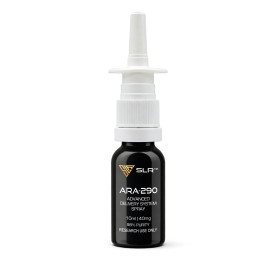
ARA-290 - 10ml/40mg - Spray
€189.00
Tax excluded
IN-STOCK
favorite_border favorite
ARA-290 has been investigated in preclinical and experimental research models designed to study inflammatory, metabolic, vascular, and neurobiological mechanisms relevant to the following disease-related research contexts: Cardiovascular-related experimental modelsRetinal ischemia and microvascular injury models Peripheral nerve injury and neuropathy models Small fiber nerve degeneration models Chronic inflammatory joint disease models Renal inflammation and metabolic stress models Hepatic lipid accumulation and inflammatory liver models Intestinal inflammation models Systemic autoimmune and immune dysregulation models Wound healing and tissue repair models  FRESHLY PREPARED SOLUTION 
ARA-290 - 40mg
€145.00
Tax excluded
IN-STOCK
favorite_border favorite
ARA-290 has been investigated in preclinical and experimental research models designed to study inflammatory, metabolic, vascular, and neurobiological mechanisms relevant to the following disease-related research contexts: Cardiovascular-related experimental modelsRetinal ischemia and microvascular injury models Peripheral nerve injury and neuropathy models Small fiber nerve degeneration models Chronic inflammatory joint disease models Renal inflammation and metabolic stress models Hepatic lipid accumulation and inflammatory liver models Intestinal inflammation models Systemic autoimmune and immune dysregulation models Wound healing and tissue repair models 
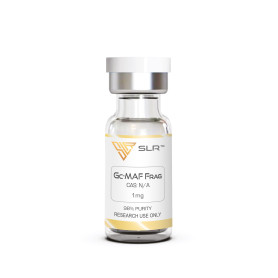
GcMAF FRAG - 1mg, 10mg
€159.00
Tax excluded
IN-STOCK
favorite_border favorite
GcMAF Frag (Gc protein–derived macrophage activating factor fragment) is a peptide fragment derived from vitamin D–binding protein (DBP) and studied for its interaction with macrophages, key cells of the innate immune system involved in immune surveillance and phagocytic processes. In experimental and preclinical research settings, GcMAF Frag has been investigated for its ability to influence macrophage-associated signaling pathways and immune-related functional markers. Within controlled laboratory models, exposure to GcMAF-related fragments has been associated with modulation of macrophage activity, including phagocytosis-related assays and cytokine-associated readouts. For this reason, the peptide is primarily used as a research tool in studies focused on immune regulation, inflammatory signaling, and host defense mechanisms. Chemical modifications such as N-terminal acetylation and C-terminal amidation have been evaluated in peptide research for their impact on structural stability and resistance to enzymatic degradation. In experimental systems, these features may contribute to enhanced molecular stability, prolonged functional persistence, and optimized receptor interaction profiles under in vitro conditions.
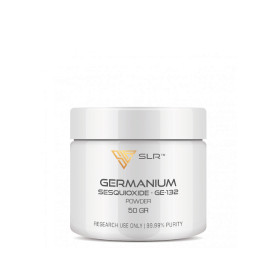
GERMANIUM SESQUIOXIDE GE-132 - 99,99% - 50g
€189.00
Tax excluded
IN-STOCK
favorite_border favorite
Organic Germanium GE-132 (carboxyethylgermanium sesquioxide) is a water-soluble organogermanium compound investigated for its effects on immune signaling, chemokine regulation, and oxidative stress pathways. Research consistently highlights modulation of the CCL2–CCR2 chemokine axis, which influences monocyte recruitment and macrophage trafficking, as well as induction of interferon-associated pathways with activation of NK cells and macrophages in experimental models. GE-132 has also been shown to suppress NF-κB and MAPK signaling and reduce inflammatory mediators under controlled conditions. Another key feature is redox modulation. Several studies report protection against hydrogen peroxide–induced oxidative stress, increased intracellular glutathione, reduced LDL oxidation, elevated α-tocopherol levels, and improved antioxidant enzyme activity. In vitro data also indicate increased cellular ATP levels and potential support of mitochondrial bioenergetics. Preclinical oncology research describes effects on tumor microenvironment regulation, macrophage M1 gene polarization, inhibition of the CCL2 pathway, and reduction of tumor progression. Additional experimental contexts include vascular inflammation, myocardial remodeling, neuroinflammatory paradigms, hepatic oxidative injury, antiviral immune signaling, and wound healing biology.
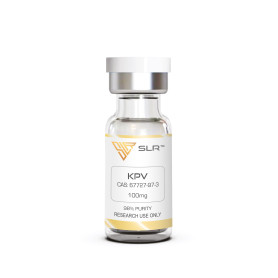
KPV - 100mg
€240.00
Tax excluded
IN-STOCK
favorite_border favorite
KPV is a short peptide that has been extensively investigated in experimental models for its role in the modulation of inflammatory responses. Current research has focused primarily on its involvement in studies related to inflammatory bowel disease. Additional studies in wound-healing models suggest that KPV, along with other α-MSH–derived peptides, may influence tissue repair processes, inflammatory regulation, microbial control, and structural outcomes associated with healing. According to experimental and preclinical research, KPV has been studied in relation to: Inflammatory mechanisms associated with acne and cystic acne Intestinal inflammatory signaling in Crohn’s disease research models Experimental models of ulcerative colitis and irritable bowel syndrome Inflammatory skin conditions such as eczema and psoriasis Immune and inflammatory responses explored in mold- and Lyme-related models Neuroinflammatory pathways investigated in multiple sclerosis research Inflammatory conditions affecting skin and ocular tissues Airway inflammation examined in allergic asthma models Joint inflammation studied in arthritis-related research
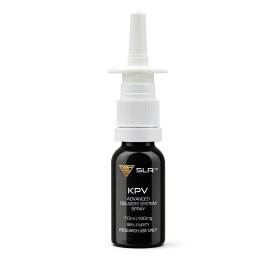
KPV - 10ml/100mg - Spray
€285.00
Tax excluded
IN-STOCK
favorite_border favorite
KPV is a short peptide that has been extensively investigated in experimental models for its role in the modulation of inflammatory responses. Current research has focused primarily on its involvement in studies related to inflammatory bowel disease. Additional studies in wound-healing models suggest that KPV, along with other α-MSH–derived peptides, may influence tissue repair processes, inflammatory regulation, microbial control, and structural outcomes associated with healing. According to experimental and preclinical research, KPV has been studied in relation to:Inflammatory mechanisms associated with acne and cystic acneIntestinal inflammatory signaling in Crohn’s disease research modelsExperimental models of ulcerative colitis and irritable bowel syndromeInflammatory skin conditions such as eczema and psoriasisImmune and inflammatory responses explored in mold- and Lyme-related modelsNeuroinflammatory pathways investigated in multiple sclerosis researchInflammatory conditions affecting skin and ocular tissuesAirway inflammation examined in allergic asthma modelsJoint inflammation studied in arthritis-related research
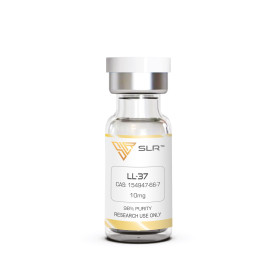
LL-37-10mg
€138.00
Tax excluded
IN-STOCK
favorite_border favorite
LL-37 is the only known human member of the cathelicidin family, a broad class of proteins commonly referred to as antimicrobial peptides (AMPs). These peptides are primarily expressed in macrophages and polymorphonuclear leukocytes, where they contribute to innate immune defense against microbial threats. Beyond their antimicrobial role, experimental research has demonstrated that LL-37 is involved in a wide range of biological processes related to immune regulation, inflammation, tissue repair, and cellular signaling. For this reason, LL-37 has been extensively studied in research models relevant to cancer biology, autoimmune mechanisms, inflammatory conditions, and wound-related processes. According to experimental research, LL-37 has been investigated in relation to: Inflammatory processes associated with rheumatoid arthritis Immune dysregulation studied in lupus models Chronic and acute inflammatory conditions Vascular inflammation relevant to atherosclerosis research Skin inflammation examined in psoriasis models Intestinal inflammation studied in colitis research Gastrointestinal inflammatory signaling in Crohn’s disease models Tissue injury and repair processes associated with ulcers Impaired wound-healing environments such as diabetic foot models Cellular and immune mechanisms explored in cancer research Broad antimicrobial activity within innate immune defense systems
REJUV RESEARCH 1
€259.00
Tax excluded
IN-STOCK
favorite_border favorite
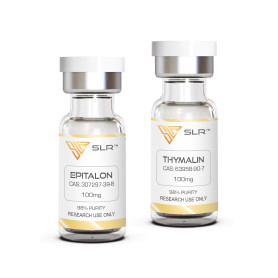
TELOMERE / IMMUNE MODULATION   Epitalon - 100mg + Thymalin - 100mg. Epitalon + Thymalin (Telomere / Immune Modulation) is a research peptide combination studied for its potential role in cellular aging pathways and immune system regulation. Epitalon has been widely investigated in relation to telomere biology, circadian rhythm signaling, and cellular homeostasis, while Thymalin has been explored for its involvement in immune modulation, thymic activity, and inflammation-related mechanisms. Together, this blend is primarily researched for its potential relevance in longevity-related cellular processes and support of immune function during aging.
RTD-1 - 20mg
€550.00
Tax excluded
IN-STOCK
favorite_border favorite
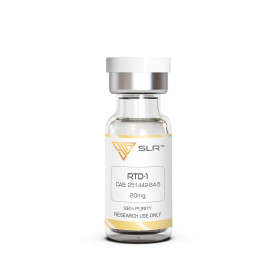
RTD-1 is a macrocyclic θ-defensin peptide expressed in Old World monkeys and studied for its broad-spectrum antibacterial, antifungal, and antiviral activity. Research indicates it may function by interacting with microbial membranes while also exerting significant immunomodulatory effects. Notably, experimental studies in a rodent model of rheumatoid arthritis showed that RTD-1 rapidly suppressed and reversed autoimmune joint disease, improving mobility and preserving joint structure. Mechanistically, RTD-1 reduced joint IL-1β levels, inhibited IL-6 production, suppressed fibroblast-like synoviocyte invasiveness, and inhibited destructive proteases such as ADAM17/ADAM10, metalloproteases, and cathepsin K. These properties have positioned RTD-1 as a promising research peptide of interest in antimicrobial defense and inflammation-related disease models.
VILON - 10ml/100mg - Spray
€195.00
Tax excluded
IN-STOCK
favorite_border favorite
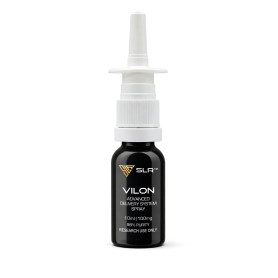
Vilon is a thymus-derived bioregulatory peptide commonly described as the dipeptide Lys–Glu (KE). It is studied for its potential immune-modulating effects, particularly in the context of thymus-related immune function and T-cell regulation. Research suggests Vilon may support immune cell differentiation, normalize cytokine signaling, and contribute to immune homeostasis. These properties make it relevant in studies involving immunosenescence, age-related immune decline, chronic inflammation, infection susceptibility, and immune dysfunction. By supporting balanced immune regulation rather than excessive stimulation, Vilon has become a peptide of interest in research focused on immune resilience, systemic vitality, and longevity-related immune restoration. FRESHLY PREPARED SOLUTION 
VILON - 50 mg
€120.00
Tax excluded
IN-STOCK
favorite_border favorite
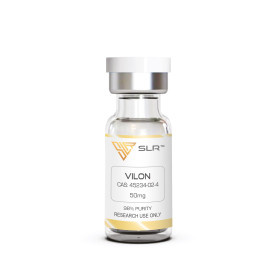
Vilon is a thymus-derived bioregulatory peptide commonly described as the dipeptide Lys–Glu (KE). It is studied for its potential immune-modulating effects, particularly in the context of thymus-related immune function and T-cell regulation. Research suggests Vilon may support immune cell differentiation, normalize cytokine signaling, and contribute to immune homeostasis. These properties make it relevant in studies involving immunosenescence, age-related immune decline, chronic inflammation, infection susceptibility, and immune dysfunction. By supporting balanced immune regulation rather than excessive stimulation, Vilon has become a peptide of interest in research focused on immune resilience, systemic vitality, and longevity-related immune restoration.