Intestinal Inflammation

Active filters

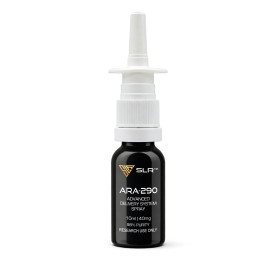
ARA-290 - 10ml/40mg - Spray
€189.00
Tax excluded
IN-STOCK
favorite_border favorite
ARA-290 has been investigated in preclinical and experimental research models designed to study inflammatory, metabolic, vascular, and neurobiological mechanisms relevant to the following disease-related research contexts: Cardiovascular-related experimental modelsRetinal ischemia and microvascular injury models Peripheral nerve injury and neuropathy models Small fiber nerve degeneration models Chronic inflammatory joint disease models Renal inflammation and metabolic stress models Hepatic lipid accumulation and inflammatory liver models Intestinal inflammation models Systemic autoimmune and immune dysregulation models Wound healing and tissue repair models  FRESHLY PREPARED SOLUTION 
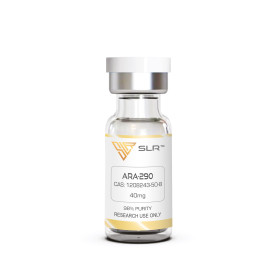
ARA-290 - 40mg
€145.00
Tax excluded
IN-STOCK
favorite_border favorite
ARA-290 has been investigated in preclinical and experimental research models designed to study inflammatory, metabolic, vascular, and neurobiological mechanisms relevant to the following disease-related research contexts: Cardiovascular-related experimental modelsRetinal ischemia and microvascular injury models Peripheral nerve injury and neuropathy models Small fiber nerve degeneration models Chronic inflammatory joint disease models Renal inflammation and metabolic stress models Hepatic lipid accumulation and inflammatory liver models Intestinal inflammation models Systemic autoimmune and immune dysregulation models Wound healing and tissue repair models 
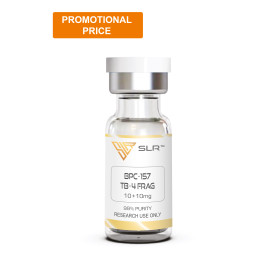
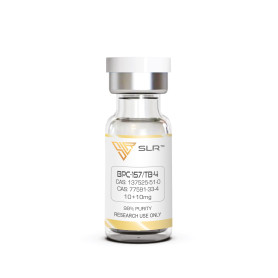
BPC-157 + THYMOSIN B-4 - 10+10mg
€148.00
Tax excluded
IN-STOCK
favorite_border favorite
BPC-157 is a 15-amino-acid synthetic peptide used in preclinical research models to investigate cellular repair mechanisms, extracellular matrix dynamics, vascular signaling, and tissue stress responses. In in vitro systems and animal studies, BPC-157 has been explored for its involvement in pathways related to fibroblast activity, angiogenesis, nitric oxide-associated signaling, coagulation-related processes, immune modulation, and gene expression regulation under experimental conditions. Thymosin Beta-4 is a 43-amino-acid peptide widely used in preclinical experimental systems to study actin-mediated cell migration, angiogenesis, inflammatory signaling, and tissue remodeling processes. In laboratory and animal models, Thymosin Beta-4 has been investigated for its role in wound-associated cell dynamics, oxidative stress responses, and regeneration-related signaling pathways. 
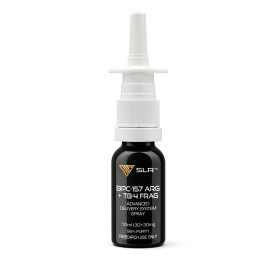
BPC-157 ARG + TB-4 FRAG - 10ml/30mg + 30mg - Spray
€228.00
Tax excluded
IN-STOCK
favorite_border favorite
BPC-157 is a 15-amino-acid synthetic peptide used in preclinical research models to investigate cellular repair mechanisms, extracellular matrix dynamics, vascular signaling, and tissue stress responses. In in vitro systems and animal studies, BPC-157 has been explored for its involvement in pathways related to fibroblast activity, angiogenesis, nitric oxide-associated signaling, coagulation-related processes, immune modulation, and gene expression regulation under experimental conditions. Thymosin Beta-4 Fragment is a short peptide derived from the active region of Thymosin Beta-4, commonly employed in preclinical research to investigate actin-regulated cell migration, angiogenesis, inflammatory modulation, and tissue remodeling mechanisms. In experimental models, it has been studied for its involvement in wound-related cellular dynamics, oxidative stress responses, and regeneration-associated signaling pathways. FRESHLY PREPARED SOLUTION 
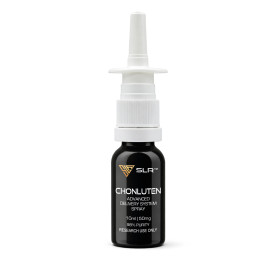
CHONLUTEN - 10ml/50mg - Spray
€140.00
Tax excluded
IN-STOCK
favorite_border favorite
Chonluten has been explored in relation to the regulation of pulmonary mucosa, gene networks involved in inflammatory and antioxidant processes, and tissue adaptation mechanisms across a broad range of acute and chronic respiratory and systemic stress conditions, of both infectious and non-infectious origin, including age-associated functional decline. Experimental findings indicate a predominant activity within pulmonary tissue, with secondary involvement observed in the gastrointestinal tract. Specifically, Chonluten has been studied in preclinical research contexts involving: post-infectious pulmonary recovery states chronic cardiopulmonary functional impairment persistent respiratory dysfunction recovery phases following prolonged mechanical ventilation long-term pulmonary adaptation after remission of granulomatous conditions acute respiratory distress and hypoxia-associated states high physiological load and exercise-related respiratory stress maintenance of respiratory function in ageing biological systems inflammation-driven pulmonary mucosal dysregulation inflammatory states and alterations of the gastrointestinal mucosa FRESHLY PREPARED SOLUTION 
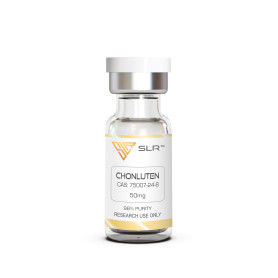
CHONLUTEN - 50mg
€110.00
Tax excluded
IN-STOCK
favorite_border favorite
Chonluten has been explored in relation to the regulation of pulmonary mucosa, gene networks involved in inflammatory and antioxidant processes, and tissue adaptation mechanisms across a broad range of acute and chronic respiratory and systemic stress conditions, of both infectious and non-infectious origin, including age-associated functional decline. Experimental findings indicate a predominant activity within pulmonary tissue, with secondary involvement observed in the gastrointestinal tract. Specifically, Chonluten has been studied in preclinical research contexts involving: post-infectious pulmonary recovery states chronic cardiopulmonary functional impairment persistent respiratory dysfunction recovery phases following prolonged mechanical ventilation long-term pulmonary adaptation after remission of granulomatous conditions acute respiratory distress and hypoxia-associated states high physiological load and exercise-related respiratory stress maintenance of respiratory function in ageing biological systems inflammation-driven pulmonary mucosal dysregulation inflammatory states and alterations of the gastrointestinal mucosa
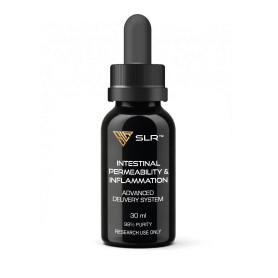
INTESTINAL PERMEABILITY & INFLAMMATION - 30ml
€227.00
Tax excluded
IN-STOCK
favorite_border favorite
Intestinal Permeability & Inflammation integrates three experimentally investigated peptides—BPC-157 Arginate Form, Larazotide Acetate, and KPV—each studied in preclinical models for their interaction with epithelial barrier integrity, inflammatory signaling pathways, and mucosal microenvironment regulation. BPC-157 Arginate has been explored for its involvement in nitric oxide–related signaling, cytoprotective cascades, angiogenic pathways, and tight junction recovery mechanisms, with the arginate form demonstrating enhanced physicochemical stability under simulated gastric conditions. Larazotide Acetate has been investigated as a modulator of zonulin-associated tight junction dynamics, supporting research into paracellular permeability regulation and epithelial barrier stabilization in controlled laboratory systems. KPV, a tripeptide fragment of α-MSH, has been examined for its interaction with NF-κB and MAPK-related inflammatory pathways, as well as for its transport via PepT1 under experimentally induced inflammatory conditions. FRESHLY PREPARED SOLUTION
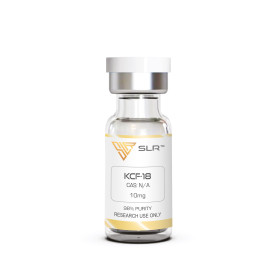
KCF-18 - 10mg
€124.00
Tax excluded
IN-STOCK
favorite_border favorite
Research and experimental studies indicate that KCF-18 is associated with the following characteristics and biological activities: Interaction with multiple pro-inflammatory cytokine pathways, including TNF-α, IL-1β, and IL-6 Functioning as a cytokine-binding decoy in experimental models Modulation of inflammatory signaling involved in vascular and endothelial processes Influence on immune cell adhesion and transmigration in laboratory settings Potential role in the regulation of immune response signaling Structural design that supports interaction with multiple cytokine-related targets
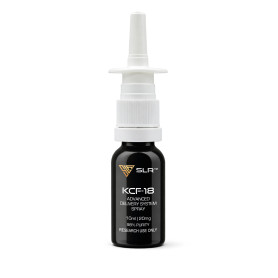
KCF-18 - 10ml/20mg - Spray
€265.00
Tax excluded
IN-STOCK
favorite_border favorite
Research and experimental studies indicate that KCF-18 is associated with the following characteristics and biological activities: Interaction with multiple pro-inflammatory cytokine pathways, including TNF-α, IL-1β, and IL-6 Functioning as a cytokine-binding decoy in experimental models Modulation of inflammatory signaling involved in vascular and endothelial processes Influence on immune cell adhesion and transmigration in laboratory settings Potential role in the regulation of immune response signalingStructural design that supports interaction with multiple cytokine-related targets FRESHLY PREPARED SOLUTION 
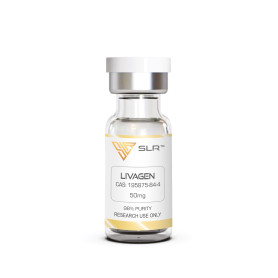
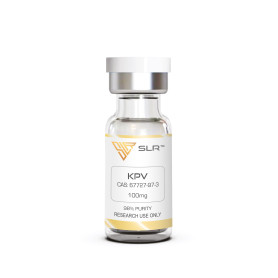
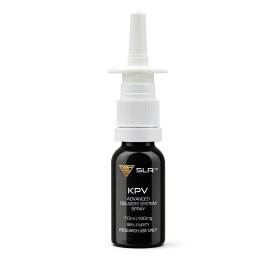
KPV - 100mg
€240.00
Tax excluded
IN-STOCK
favorite_border favorite
KPV is a short peptide that has been extensively investigated in experimental models for its role in the modulation of inflammatory responses. Current research has focused primarily on its involvement in studies related to inflammatory bowel disease. Additional studies in wound-healing models suggest that KPV, along with other α-MSH–derived peptides, may influence tissue repair processes, inflammatory regulation, microbial control, and structural outcomes associated with healing. According to experimental and preclinical research, KPV has been studied in relation to: Inflammatory mechanisms associated with acne and cystic acne Intestinal inflammatory signaling in Crohn’s disease research models Experimental models of ulcerative colitis and irritable bowel syndrome Inflammatory skin conditions such as eczema and psoriasis Immune and inflammatory responses explored in mold- and Lyme-related models Neuroinflammatory pathways investigated in multiple sclerosis research Inflammatory conditions affecting skin and ocular tissues Airway inflammation examined in allergic asthma models Joint inflammation studied in arthritis-related research
KPV - 10ml/100mg - Spray
€285.00
Tax excluded
IN-STOCK
favorite_border favorite
KPV is a short peptide that has been extensively investigated in experimental models for its role in the modulation of inflammatory responses. Current research has focused primarily on its involvement in studies related to inflammatory bowel disease. Additional studies in wound-healing models suggest that KPV, along with other α-MSH–derived peptides, may influence tissue repair processes, inflammatory regulation, microbial control, and structural outcomes associated with healing. According to experimental and preclinical research, KPV has been studied in relation to:Inflammatory mechanisms associated with acne and cystic acneIntestinal inflammatory signaling in Crohn’s disease research modelsExperimental models of ulcerative colitis and irritable bowel syndromeInflammatory skin conditions such as eczema and psoriasisImmune and inflammatory responses explored in mold- and Lyme-related modelsNeuroinflammatory pathways investigated in multiple sclerosis researchInflammatory conditions affecting skin and ocular tissuesAirway inflammation examined in allergic asthma modelsJoint inflammation studied in arthritis-related research
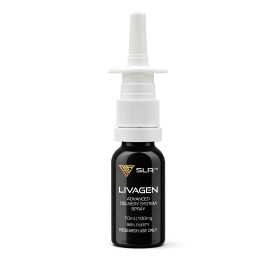
LIVAGEN - 10ml/100mg - Spray
€178.00
Tax excluded
IN-STOCK
favorite_border favorite
Livagen is a short bioregulatory peptide that has been investigated in experimental research for its influence on DNA organization and gene expression. It is primarily recognized for its association with chromatin decondensation, a process that increases DNA accessibility and has been linked to cellular profiles typically observed in younger cells. Scientific research has focused predominantly on immune system lymphocytes, where Livagen has been shown to modulate gene activity and cellular function. Through these mechanisms, Livagen has been studied for its involvement in biological processes related to immune regulation and signaling pathways associated with cardiovascular, gastrointestinal, neurological, and immune system function. Experimental findings have also explored Livagen’s role in nociception and pain-related signaling. Ongoing research continues to examine Livagen’s broader relevance in studies of aging, cellular senescence, and long-term biological regulation. FRESHLY PREPARED SOLUTION
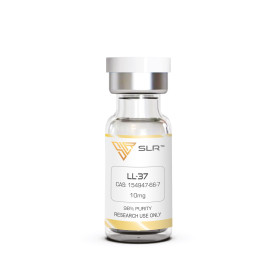
LIVAGEN - 50mg
€135.00
Tax excluded
IN-STOCK
favorite_border favorite
Livagen is a short bioregulatory peptide that has been investigated in experimental research for its influence on DNA organization and gene expression. It is primarily recognized for its association with chromatin decondensation, a process that increases DNA accessibility and has been linked to cellular profiles typically observed in younger cells. Scientific research has focused predominantly on immune system lymphocytes, where Livagen has been shown to modulate gene activity and cellular function. Through these mechanisms, Livagen has been studied for its involvement in biological processes related to immune regulation and signaling pathways associated with cardiovascular, gastrointestinal, neurological, and immune system function. Experimental findings have also explored Livagen’s role in nociception and pain-related signaling. Ongoing research continues to examine Livagen’s broader relevance in studies of aging, cellular senescence, and long-term biological regulation.
LL-37-10mg
€138.00
Tax excluded
IN-STOCK
favorite_border favorite
LL-37 is the only known human member of the cathelicidin family, a broad class of proteins commonly referred to as antimicrobial peptides (AMPs). These peptides are primarily expressed in macrophages and polymorphonuclear leukocytes, where they contribute to innate immune defense against microbial threats. Beyond their antimicrobial role, experimental research has demonstrated that LL-37 is involved in a wide range of biological processes related to immune regulation, inflammation, tissue repair, and cellular signaling. For this reason, LL-37 has been extensively studied in research models relevant to cancer biology, autoimmune mechanisms, inflammatory conditions, and wound-related processes. According to experimental research, LL-37 has been investigated in relation to: Inflammatory processes associated with rheumatoid arthritis Immune dysregulation studied in lupus models Chronic and acute inflammatory conditions Vascular inflammation relevant to atherosclerosis research Skin inflammation examined in psoriasis models Intestinal inflammation studied in colitis research Gastrointestinal inflammatory signaling in Crohn’s disease models Tissue injury and repair processes associated with ulcers Impaired wound-healing environments such as diabetic foot models Cellular and immune mechanisms explored in cancer research Broad antimicrobial activity within innate immune defense systems
OVAGEN - 10ml/40mg - Spray
€129.00
Tax excluded
IN-STOCK
favorite_border favorite
Ovagen is a bioregulatory peptide that has been studied for its role in supporting gastrointestinal mucosal integrity and maintaining normal liver tissue structure. Research suggests it may help protect the gastrointestinal mucosal layer from stressors such as antibiotics, toxins, and anti-inflammatory agents, while also being associated with reduced fibrotic processes in liver tissue. Ongoing experimental studies are further evaluating Ovagen’s interaction with mechanisms involved in HIV viral replication. FRESHLY PREPARED SOLUTION 
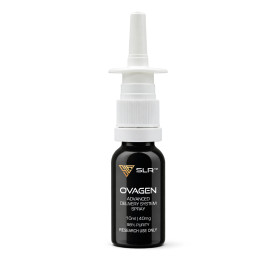
OVAGEN - 40mg
€98.00
Tax excluded
IN-STOCK
favorite_border favorite
Ovagen is a bioregulatory peptide that has been studied for its role in supporting gastrointestinal mucosal integrity and maintaining normal liver tissue structure. Research suggests it may help protect the gastrointestinal mucosal layer from stressors such as antibiotics, toxins, and anti-inflammatory agents, while also being associated with reduced fibrotic processes in liver tissue. Ongoing experimental studies are further evaluating Ovagen’s interaction with mechanisms involved in HIV viral replication.
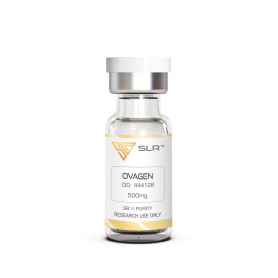
OVAGEN - 500mg
€680.00
Tax excluded
Developed Compound ✦ Limited Stock Available
favorite_border favorite
Ovagen is a bioregulatory peptide that has been studied for its role in supporting gastrointestinal mucosal integrity and maintaining normal liver tissue structure. Research suggests it may help protect the gastrointestinal mucosal layer from stressors such as antibiotics, toxins, and anti-inflammatory agents, while also being associated with reduced fibrotic processes in liver tissue. Ongoing experimental studies are further evaluating Ovagen’s interaction with mechanisms involved in HIV viral replication.
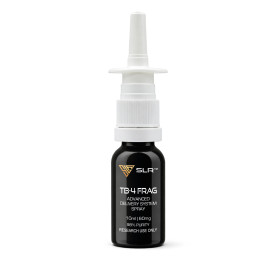
THYMOSIN B-4 FRAG - 10ml/60mg - Spray
€165.00
Tax excluded
IN-STOCK
favorite_border favorite
Thymosin Beta-4 Fragment is a short peptide derived from the active region of Thymosin Beta-4, commonly employed in preclinical research to investigate actin-regulated cell migration, angiogenesis, inflammatory modulation, and tissue remodeling mechanisms. In experimental models, it has been studied for its involvement in wound-related cellular dynamics, oxidative stress responses, and regeneration-associated signaling pathways. FRESHLY PREPARED SOLUTION 
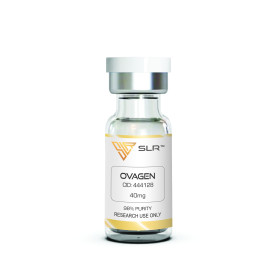
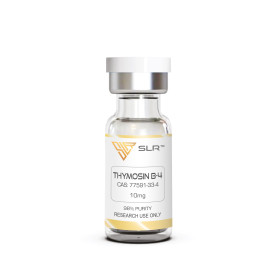
THYMOSIN BETA-4 (43aa) - 10mg
€120.00
Tax excluded
IN-STOCK
favorite_border favorite
Thymosin Beta-4 (Tβ4), often associated with the peptide fragment TB-500 in research contexts, is a naturally occurring peptide involved in tissue repair, immune regulation, and cellular regeneration. Its primary mechanism is linked to actin-binding activity, supporting cytoskeletal remodeling and promoting cell migration essential for wound healing. Research suggests Tβ4 may stimulate angiogenesis, enhance collagen deposition, support keratinocyte and endothelial migration, and reduce inflammatory cytokine signaling through modulation of pathways such as NF-κB. It has been studied in experimental models of skin repair, corneal injury, dry eye conditions, cardiovascular remodeling after ischemic injury, systemic inflammation including sepsis models, neurological injury, autoimmune neuroinflammation, and musculoskeletal recovery. These properties make Tβ4 a major peptide of interest in regenerative biology and inflammation-related research.
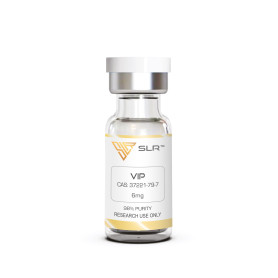
VIP - VASOACTIVE INTESTINAL PEPTIDE - 6 mg
€70.00
Tax excluded
IN-STOCK
favorite_border favorite
VIP (Vasoactive Intestinal Peptide) is a 28–amino acid neuropeptide of the secretin–glucagon family, widely expressed in the brain, gastrointestinal tract, pancreas, lungs, heart, thyroid, adrenal glands, and thymus. It acts through the GPCR receptors VPAC1 and VPAC2, activating cAMP-related signaling pathways that regulate vascular tone, immune balance, secretion mechanisms, and neuronal survival. Research suggests VIP has neuroprotective and neurotrophic properties, supporting blood–brain barrier integrity, reducing oxidative stress, and modulating neuroinflammation, with relevance in neurodegenerative models such as Alzheimer’s and Parkinson’s disease. VIP also regulates circadian rhythm via hypothalamic signaling, supports gastrointestinal motility and barrier integrity, and has immunomodulatory effects by reducing pro-inflammatory cytokines and promoting immune tolerance. Additional studies indicate antifibrotic and vasodilatory activity relevant to cardiovascular and pulmonary disease models, as well as potential relevance in transplantation tolerance research and lacrimal secretion regulation in dry eye-related conditions.