Mitochondrial

Active filters

5-AMINO-1MQ - 3g
€145.00
Tax excluded
IN-STOCK
favorite_border favorite
5-amino-1MQ is a synthetic small-molecule compound investigated for its ability to modulate the activity of nicotinamide N-methyltransferase (NNMT), an enzyme involved in cellular metabolic regulation and energy balance. NNMT plays a role in nicotinamide metabolism and influences the availability of nicotinamide adenine dinucleotide (NAD⁺), a central cofactor in mitochondrial function and cellular energy production. By inhibiting NNMT activity in experimental models, 5-amino-1MQ has been associated with increased NAD⁺ availability and modulation of metabolic signaling pathways, including those linked to sirtuin-1 (SIRT1). Preclinical research has explored its effects on energy utilization, adipose tissue metabolism, and metabolic efficiency without changes in caloric intake. This compound is primarily used as a research tool to investigate NNMT-related pathways and their role in metabolic regulation.
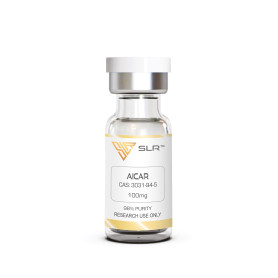
AICAR - 100mg
€110.00
Tax excluded
IN-STOCK
favorite_border favorite
Adenosine monophosphate (AMP) has a well-known experimental analog in the molecule AICAR. In preclinical research models, AICAR has been extensively used to investigate AMPK-mediated cellular energy regulation, metabolic stress responses, and redox balance. In in vitro systems and animal studies, AICAR has been evaluated in experimental contexts related to cardiac ischemia models, where AMPK activation has been associated with modulation of cellular survival pathways under ischemic stress. Due to its role in regulating oxidative stress and energy metabolism, AICAR has also been studied in experimental ageing-related models, as well as in preclinical models of metabolic and inflammatory dysregulation, including those used to investigate mechanisms relevant to insulin signaling, immune activation, and chronic inflammation. These findings are limited to controlled laboratory and animal research settings and are used to explore underlying biological mechanisms rather than clinical applications.
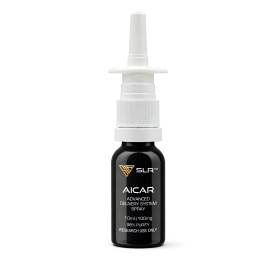
AICAR - 10ml/100mg - Spray
€148.00
Tax excluded
IN-STOCK
favorite_border favorite
Adenosine monophosphate (AMP) has a well-known experimental analog in the molecule AICAR. In preclinical research models, AICAR has been extensively used to investigate AMPK-mediated cellular energy regulation, metabolic stress responses, and redox balance. In in vitro systems and animal studies, AICAR has been evaluated in experimental contexts related to cardiac ischemia models, where AMPK activation has been associated with modulation of cellular survival pathways under ischemic stress. Due to its role in regulating oxidative stress and energy metabolism, AICAR has also been studied in experimental ageing-related models, as well as in preclinical models of metabolic and inflammatory dysregulation, including those used to investigate mechanisms relevant to insulin signaling, immune activation, and chronic inflammation. These findings are limited to controlled laboratory and animal research settings and are used to explore underlying biological mechanisms rather than clinical applications.   FRESHLY PREPARED SOLUTION 
COLIVELIN - 100mg
€490.00
Tax excluded
IN-STOCK
favorite_border favorite
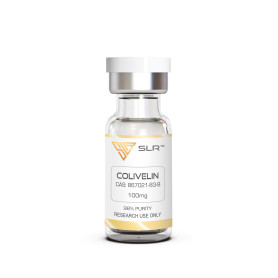
Colivelin is a humanin-family peptide that has been extensively investigated in preclinical research models for its involvement in neuronal stress-response pathways. Experimental studies conducted in vitro and in vivo indicate that Colivelin may influence mechanisms associated with amyloid-related aggregation processes, neuronal apoptosis, and synaptic plasticity regulation under neurodegenerative conditions.   
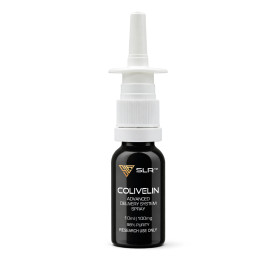
COLIVELIN - 10ml/100mg - Spray
€645.00
Tax excluded
IN-STOCK
favorite_border favorite
Colivelin is a humanin-family peptide that has been extensively investigated in preclinical research models for its involvement in neuronal stress-response pathways. Experimental studies conducted in vitro and in vivo indicate that Colivelin may influence mechanisms associated with amyloid-related aggregation processes, neuronal apoptosis, and synaptic plasticity regulation under neurodegenerative conditions.    FRESHLY PREPARED SOLUTION 
GERMANIUM SESQUIOXIDE GE-132 - 99,99% - 50g
€189.00
Tax excluded
IN-STOCK
favorite_border favorite
Organic Germanium GE-132 (carboxyethylgermanium sesquioxide) is a water-soluble organogermanium compound investigated for its effects on immune signaling, chemokine regulation, and oxidative stress pathways. Research consistently highlights modulation of the CCL2–CCR2 chemokine axis, which influences monocyte recruitment and macrophage trafficking, as well as induction of interferon-associated pathways with activation of NK cells and macrophages in experimental models. GE-132 has also been shown to suppress NF-κB and MAPK signaling and reduce inflammatory mediators under controlled conditions. Another key feature is redox modulation. Several studies report protection against hydrogen peroxide–induced oxidative stress, increased intracellular glutathione, reduced LDL oxidation, elevated α-tocopherol levels, and improved antioxidant enzyme activity. In vitro data also indicate increased cellular ATP levels and potential support of mitochondrial bioenergetics. Preclinical oncology research describes effects on tumor microenvironment regulation, macrophage M1 gene polarization, inhibition of the CCL2 pathway, and reduction of tumor progression. Additional experimental contexts include vascular inflammation, myocardial remodeling, neuroinflammatory paradigms, hepatic oxidative injury, antiviral immune signaling, and wound healing biology.
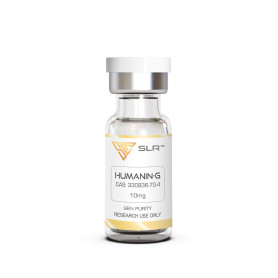
HUMANIN G - 10mg
€148.00
Tax excluded
IN-STOCK
favorite_border favorite
Humanin is a 24–amino acid mitochondrial-derived peptide in which each residue contributes to its biological activity. A key residue is serine at position 14, which is associated with neuroprotective properties. Substitution of this amino acid with glycine results in a more potent variant known as Humanin-G (HNG). Experimental research indicates that HNG exhibits substantially enhanced biological activity compared to native Humanin and is particularly effective in preserving mitochondrial function and cellular integrity under stress conditions. In preclinical and laboratory research settings, Humanin-G has been shown to support cellular survival by limiting mitochondrial dysfunction and reducing pathways associated with programmed cell death. These properties have generated scientific interest in its role within research models of ischemic injury, neurodegenerative processes such as Alzheimer’s disease, and other conditions linked to cellular stress. Based on experimental observations, Humanin-G has been associated with:  Protection against mitochondrial dysfunction in stressed cells Reduction of apoptosis-related cellular pathways Support of cellular longevity mechanisms in research models Modulation of insulin sensitivity in experimental systems Neuroprotective effects observed in models of ischemia and neurodegeneration
HUMANIN G - 10ml/10mg - Spray
€185.00
Tax excluded
IN-STOCK
favorite_border favorite
Humanin is a 24–amino acid mitochondrial-derived peptide in which each residue contributes to its biological activity. A key residue is serine at position 14, which is associated with neuroprotective properties. Substitution of this amino acid with glycine results in a more potent variant known as Humanin-G (HNG). Experimental research indicates that HNG exhibits substantially enhanced biological activity compared to native Humanin and is particularly effective in preserving mitochondrial function and cellular integrity under stress conditions. In preclinical and laboratory research settings, Humanin-G has been shown to support cellular survival by limiting mitochondrial dysfunction and reducing pathways associated with programmed cell death. These properties have generated scientific interest in its role within research models of ischemic injury, neurodegenerative processes such as Alzheimer’s disease, and other conditions linked to cellular stress. Based on experimental observations, Humanin-G has been associated with: Protection against mitochondrial dysfunction in stressed cells Reduction of apoptosis-related cellular pathways Support of cellular longevity mechanisms in research models Modulation of insulin sensitivity in experimental systems Neuroprotective effects observed in models of ischemia and neurodegeneration FRESHLY PREPARED SOLUTION 
ITPP (MYO-INOSITOL TRISPYROPHOSPHATE) - 1gr/5gr
€40.00
Tax excluded
IN-STOCK
favorite_border favorite
Myo-Inositol Trispyrophosphate Hexasodium Salt (ITPP) is a compound studied for its ability to influence oxygen delivery dynamics by modulating hemoglobin’s affinity for oxygen. This mechanism has been associated, in experimental settings, with changes in tissue oxygen availability and cellular metabolic processes. In preclinical and laboratory research, ITPP has been explored for its potential impact on metabolic efficiency, oxidative balance, and inflammatory pathways. Its interaction with oxygen-dependent systems has generated scientific interest in areas related to cellular energy metabolism, mitochondrial function, and tissue-level physiology. Additionally, ongoing research has investigated the broader implications of oxygen modulation in contexts such as aging processes, cellular stress response, and complex biological environments including those associated with neurodegenerative and proliferative conditions.
L-GLUTATHIONE - 10ml/500mg - Spray
€58.00
Tax excluded
IN-STOCK
favorite_border favorite
L-Glutathione is a naturally occurring tripeptide that has been extensively studied for its central role in cellular protection and metabolic balance. Research and experimental data indicate that L-Glutathione is associated with the following biological processes: Regulation of intracellular redox balance and antioxidant defenses Protection of cells from oxidative stress and reactive oxygen species Support of detoxification and cellular clearance pathways Modulation of immune and inflammatory signaling mechanisms Maintenance of mitochondrial function and cellular energy metabolism Preservation of protein structure and prevention of oxidative damage Involvement in cellular stress adaptation and aging-related processes FRESHLY PREPARED SOLUTION 
L-GLUTATHIONE - 500mg
€32.00
Tax excluded
IN-STOCK
favorite_border favorite
L-Glutathione is a naturally occurring tripeptide that has been extensively studied for its central role in cellular protection and metabolic balance. Research and experimental data indicate that L-Glutathione is associated with the following biological processes: Regulation of intracellular redox balance and antioxidant defenses Protection of cells from oxidative stress and reactive oxygen species Support of detoxification and cellular clearance pathways Modulation of immune and inflammatory signaling mechanisms Maintenance of mitochondrial function and cellular energy metabolism Preservation of protein structure and prevention of oxidative damage Involvement in cellular stress adaptation and aging-related processes
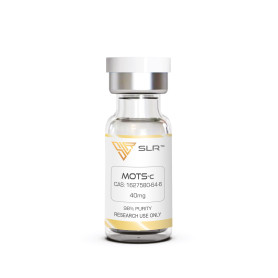
MOTS-c - 40mg
€245.00
Tax excluded
IN-STOCK
favorite_border favorite
MOTS-c is a mitochondria-derived peptide that has been widely investigated in experimental and preclinical research for its role in metabolic regulation and cellular energy balance. Scientific studies have examined MOTS-c in relation to biological pathways associated with physical performance, metabolic homeostasis, age-related processes, and systemic cellular signaling. Research has primarily focused on MOTS-c in the context of the following areas: Muscle Metabolism: Studied for its association with glucose utilization, energy handling, and metabolic adaptation in skeletal muscle. Fat Metabolism: Investigated for its involvement in adipose tissue regulation, lipid utilization, and pathways related to energy expenditure. Insulin Sensitivity: Examined in research models addressing early metabolic changes and glucose regulation mechanisms. Bone Metabolism (Osteoporosis Research): Explored for its role in pathways related to osteoblast activity, collagen production, and bone integrity. Longevity Research: Studied in relation to mitochondrial signaling, aging-associated pathways, and lifespan-related genetic variants. Heart Health: Investigated for its association with endothelial function, vascular signaling, and cardiovascular stress responses.
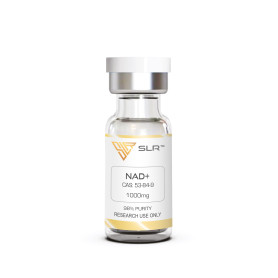
NAD+ - 1000mg
€287.00
Tax excluded
IN-STOCK
favorite_border favorite
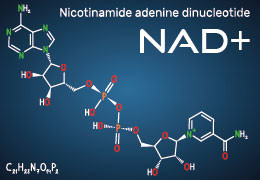
NAD⁺ (Nicotinamide Adenine Dinucleotide) is a central cellular coenzyme essential for mitochondrial energy production and redox balance. It plays a critical role in oxidative phosphorylation, ATP synthesis, and metabolic regulation. NAD⁺ also functions as a substrate for sirtuins and PARP enzymes, contributing to DNA repair, cellular stress resistance, and longevity-associated pathways. Due to its involvement in bioenergetics and cellular resilience, NAD⁺ is widely studied in mitochondrial function, metabolic regulation, and age-related biological processes
SLU-PP-332 - 30ml/300mg
€125.00
Tax excluded
IN-STOCK
favorite_border favorite
SLU-PP-332 is a synthetic small-molecule research compound best known as a pan-agonist of ERRα, ERRβ, and ERRγ, a family of nuclear receptors involved in mitochondrial function, oxidative metabolism, and cellular energy regulation. Its main interest lies in its ability to shift tissues toward a more oxidative metabolic state. Rather than acting like a stimulant, it appears to influence upstream transcriptional programs that regulate how cells produce and use energy. This includes effects on mitochondrial biogenesis, fatty acid oxidation, oxidative phosphorylation, and overall fuel preference. In preclinical studies, SLU-PP-332 has been associated with increased mitochondrial respiration, enhanced oxidative muscle remodeling, greater reliance on fat oxidation, higher energy expenditure, and improved endurance-related parameters in animal models. It has also shown activity in experimental settings involving metabolic dysfunction, liver fat accumulation, cardiac energy impairment, and age-related mitochondrial decline. Overall, SLU-PP-332 is best described as a preclinical metabolic reprogramming compound with exercise-mimetic and oxidative metabolic activity. It is relevant for research into mitochondrial biology, fuel utilization, and ERR-driven transcriptional regulation.
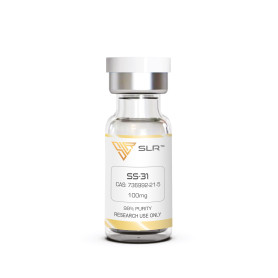
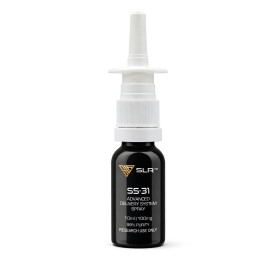
SS-31 - 100mg
€340.00
Tax excluded
IN-STOCK
favorite_border favorite
SS-31 (Elamipretide) is a mitochondria-targeting peptide studied for its ability to bind cardiolipin in the inner mitochondrial membrane, stabilize mitochondrial structure, and support cellular energy production. Research suggests that SS-31 may reduce mitochondrial oxidative stress by limiting reactive oxygen species accumulation, improving mitochondrial bioenergetics, and supporting membrane integrity. It has also been investigated for its ability to modulate the mitochondrial permeability transition pore (mPTP), potentially reducing apoptosis-related signaling under stress. Due to these mechanisms, SS-31 has attracted attention in research involving neurodegenerative diseases, cardiovascular disorders, age-related mitochondrial decline, and retinal diseases such as diabetic retinopathy and age-related macular degeneration.
SS-31 - 10ml/100mg - Spray
€375.00
Tax excluded
IN-STOCK
favorite_border favorite
SS-31 (Elamipretide) is a mitochondria-targeting peptide studied for its ability to bind cardiolipin in the inner mitochondrial membrane, stabilize mitochondrial structure, and support cellular energy production. Research suggests that SS-31 may reduce mitochondrial oxidative stress by limiting reactive oxygen species accumulation, improving mitochondrial bioenergetics, and supporting membrane integrity. It has also been investigated for its ability to modulate the mitochondrial permeability transition pore (mPTP), potentially reducing apoptosis-related signaling under stress. Due to these mechanisms, SS-31 has attracted attention in research involving neurodegenerative diseases, cardiovascular disorders, age-related mitochondrial decline, and retinal diseases such as diabetic retinopathy and age-related macular degeneration. FRESHLY PREPARED SOLUTION 
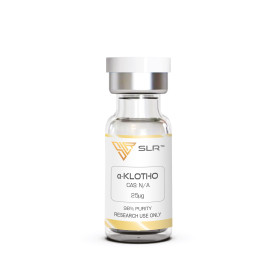
α-Klotho - 25µg
€290.00
Tax excluded
IN-STOCK
favorite_border favorite
α-Klotho is a transmembrane and soluble endocrine protein first identified in 1997 and now widely recognized as a key candidate in aging biology. It is expressed predominantly in the kidney and choroid plexus of the brain, and its soluble form circulates in blood, urine, and cerebrospinal fluid. Membrane α-Klotho functions as an essential co-receptor for FGF23, regulating phosphate and vitamin D metabolism. Soluble α-Klotho is studied for its broader endocrine-like effects, including modulation of oxidative stress responses, inflammatory signaling, IGF-1 and mTOR pathways, and Wnt-associated tissue remodeling. Experimental models show that Klotho deficiency is linked to accelerated aging-like phenotypes such as vascular dysfunction, sarcopenia, cognitive decline, cardiac fibrosis, and osteopenia, while elevated Klotho expression is associated with improved cognition, delayed vascular aging, enhanced muscle regeneration, and increased lifespan. Due to its connection with senescence biology, SASP-driven inflammation, kidney decline, and neurodegenerative processes, α-Klotho remains a central molecule in research focused on longevity, metabolic regulation, and systemic resilience.