Neuropeptides

Active filters

cAC-253 - 10mg
€376.00
Tax excluded
IN-STOCK
favorite_border favorite
cAC-253 is a disulfide-cyclized research peptide used in preclinical experimental models to investigate amylin receptor–mediated signaling under conditions of amyloid-associated cellular stress. In in vitro systems and animal studies, cAC-253 has been explored for its effects on synaptic function, learning- and memory-related signaling pathways, amyloid-associated biochemical markers, and neuroinflammatory responses, providing a tool for mechanistic research into receptor-specific pathways involved in synaptic integrity.
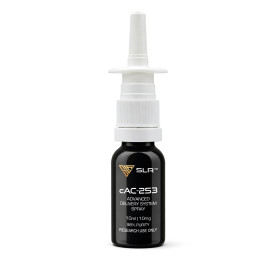
cAC-253 - 10ml/10mg - Spray
€496.00
Tax excluded
IN-STOCK
favorite_border favorite
cAC-253 is a disulfide-cyclized research peptide used in preclinical experimental models to investigate amylin receptor–mediated signaling under conditions of amyloid-associated cellular stress. In in vitro systems and animal studies, cAC-253 has been explored for its effects on synaptic function, learning- and memory-related signaling pathways, amyloid-associated biochemical markers, and neuroinflammatory responses, providing a tool for mechanistic research into receptor-specific pathways involved in synaptic integrity. FRESHLY PREPARED SOLUTION 
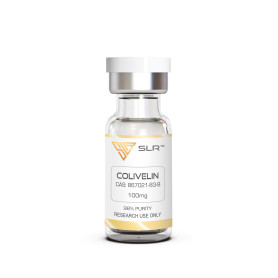
COLIVELIN - 100mg
€490.00
Tax excluded
IN-STOCK
favorite_border favorite
Colivelin is a humanin-family peptide that has been extensively investigated in preclinical research models for its involvement in neuronal stress-response pathways. Experimental studies conducted in vitro and in vivo indicate that Colivelin may influence mechanisms associated with amyloid-related aggregation processes, neuronal apoptosis, and synaptic plasticity regulation under neurodegenerative conditions.   
COLIVELIN - 10ml/100mg - Spray
€645.00
Tax excluded
IN-STOCK
favorite_border favorite
Colivelin is a humanin-family peptide that has been extensively investigated in preclinical research models for its involvement in neuronal stress-response pathways. Experimental studies conducted in vitro and in vivo indicate that Colivelin may influence mechanisms associated with amyloid-related aggregation processes, neuronal apoptosis, and synaptic plasticity regulation under neurodegenerative conditions.    FRESHLY PREPARED SOLUTION 
CORTAGEN - 10ml/100mg - Spray
€249.00
Tax excluded
IN-STOCK
favorite_border favorite
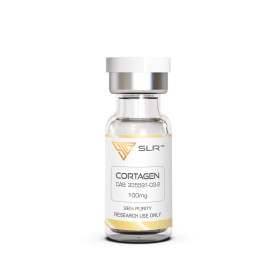
Cortagen has been investigated in preclinical and exploratory research settings for its potential involvement in brain reparative processes, cerebroprotective responses, and nootropic-like activity, within experimental models of cerebral stress and degeneration. Research literature has explored Cortagen in relation to the following neurobiological contexts: Cerebral lesion and injury models Neurodegenerative and dementing process models, including protein-aggregation and vascular-associated degeneration Extrapyramidal and movement-disorder research models Spinal and cerebellar system dysfunction models Central nervous system involvement in immune-mediated and inflammatory conditions Motor impairment and hemiplegia-related models Paralytic and neuromuscular dysfunction models Cerebral involvement in bacterial meningeal inflammation models Hemorrhagic cerebral stress models Transient and persistent cerebral ischemia models  FRESHLY PREPARED SOLUTION 
CORTAGEN -100mg
€190.00
Tax excluded
IN-STOCK
favorite_border favorite
Cortagen has been investigated in preclinical and exploratory research settings for its potential involvement in brain reparative processes, cerebroprotective responses, and nootropic-like activity, within experimental models of cerebral stress and degeneration. Research literature has explored Cortagen in relation to the following neurobiological contexts: Cerebral lesion and injury models Neurodegenerative and dementing process models, including protein-aggregation and vascular-associated degeneration Extrapyramidal and movement-disorder research models Spinal and cerebellar system dysfunction models Central nervous system involvement in immune-mediated and inflammatory conditions Motor impairment and hemiplegia-related models Paralytic and neuromuscular dysfunction models Cerebral involvement in bacterial meningeal inflammation models Hemorrhagic cerebral stress models Transient and persistent cerebral ischemia models 
DIHEXA - 0,5g, 1g
€129.00
Tax excluded
IN-STOCK
favorite_border favorite
Research on Dihexa suggests it has been explored for its potential role in:Supporting neuronal repair mechanisms in experimental modelsPromoting synaptic connectivity and signaling pathways involved in neural plasticityEnhancing neurotrophic activity associated with growth-factor mediated communicationInvestigating protective effects in preclinical models of neurodegeneration, including Alzheimer’s- and Parkinson’s-related pathwaysSupporting cognitive performance parameters such as learning, memory formation, and recall in animal studiesImproving motivation- and mood-related behavioral markers in exploratory research modelsEnhancing mental endurance and sustained attention in cognitive testing paradigmsSupporting executive functions such as problem-solving and information processing speed in experimental settingsExploring effects on social recognition and interaction-related behavioral markers in preclinical studies
DIHEXA - 30ml/450mg
€165.00
Tax excluded
IN-STOCK
favorite_border favorite
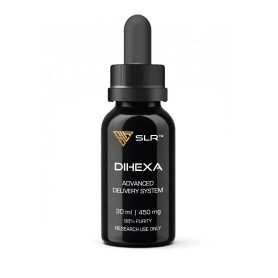
Research on Dihexa suggests it has been explored for its potential role in: Supporting neuronal repair mechanisms in experimental models Promoting synaptic connectivity and signaling pathways involved in neural plasticity Enhancing neurotrophic activity associated with growth-factor mediated communication Investigating protective effects in preclinical models of neurodegeneration, including Alzheimer’s- and Parkinson’s-related pathways Supporting cognitive performance parameters such as learning, memory formation, and recall in animal studies Improving motivation- and mood-related behavioral markers in exploratory research models Enhancing mental endurance and sustained attention in cognitive testing paradigms Supporting executive functions such as problem-solving and information processing speed in experimental settings Exploring effects on social recognition and interaction-related behavioral markers in preclinical studiesFRESHLY PREPARED SOLUTION
DNSP-11 - 10ml/10mg - Spray
€140.00
Tax excluded
IN-STOCK
favorite_border favorite
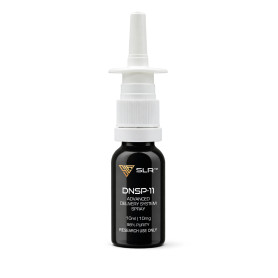
DNSP-11 is a short amidated peptide derived from the proGDNF domain that has been investigated in preclinical research models for its neurotrophic-like activity within dopaminergic systems. Experimental studies conducted in vitro and in vivo suggest that DNSP-11 may support dopaminergic neuron resilience, neuroadaptive responses, and neuronal survival mechanisms under conditions of neurodegenerative stress. DNSP-11 has been explored in research contexts related to: Dopaminergic neuron degeneration models Nigrostriatal system dysfunction Neuroprotective and neurorestorative pathways Modulation of dopamine and dopamine metabolite levels Motor asymmetry and behavioral outcome models Neuronal survival and anti-apoptotic signaling Neurite outgrowth and neuronal differentiation Toxin-induced neurodegeneration models FRESHLY PREPARED SOLUTION 
DNSP-11 - 5mg
€68.00
Tax excluded
IN-STOCK
favorite_border favorite
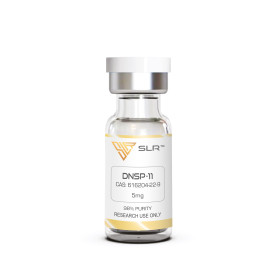
DNSP-11 is a short amidated peptide derived from the proGDNF domain that has been investigated in preclinical research models for its neurotrophic-like activity within dopaminergic systems. Experimental studies conducted in vitro and in vivo suggest that DNSP-11 may support dopaminergic neuron resilience, neuroadaptive responses, and neuronal survival mechanisms under conditions of neurodegenerative stress.DNSP-11 has been explored in research contexts related to:Dopaminergic neuron degeneration modelsNigrostriatal system dysfunctionNeuroprotective and neurorestorative pathwaysModulation of dopamine and dopamine metabolite levelsMotor asymmetry and behavioral outcome modelsNeuronal survival and anti-apoptotic signalingNeurite outgrowth and neuronal differentiationToxin-induced neurodegeneration models
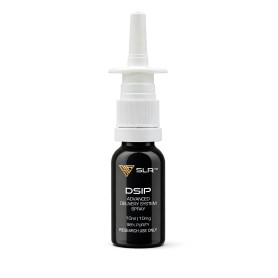
DSIP - 10ml/10mg - Spray
€89.00
Tax excluded
IN-STOCK
favorite_border favorite
Delta sleep-inducing peptide (DSIP) is a neuropeptide that has been investigated in experimental and preclinical research settings for its involvement in the regulation of multiple endocrine and physiological processes, particularly those related to sleep–wake modulation and adaptive stress responses. Experimental studies suggest that DSIP may be associated with: Modulation of sleep-related physiological processes Regulation of sleep quality under conditions of chronic sleep disruption Adaptive responses to physiological and psychological stress Influence on autonomic and cardiovascular regulatory parameters Modulation of pain-related sensory processing FRESHLY PREPARED SOLUTION 
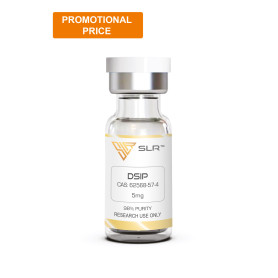
DSIP - 5mg
€35.00
Tax excluded
IN-STOCK
favorite_border favorite
Delta sleep-inducing peptide (DSIP) is a neuropeptide that has been investigated in experimental and preclinical research settings for its involvement in the regulation of multiple endocrine and physiological processes, particularly those related to sleep–wake modulation and adaptive stress responses. Experimental studies suggest that DSIP may be associated with: Modulation of sleep-related physiological processes Regulation of sleep quality under conditions of chronic sleep disruption Adaptive responses to physiological and psychological stress Influence on autonomic and cardiovascular regulatory parameters Modulation of pain-related sensory processing
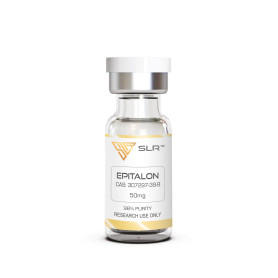
EPITALON - 100mg
€138.00
Tax excluded
IN-STOCK
favorite_border favorite
Epitalon stimulates the renewal of the whole body, beginning with the inside organs and working its way outward to the skin. It demonstrates a variety of bioactivities, including the following: Improving ocular retina condition in retinitis pigmentosa Anti-aging by activating chromatin in old age Anticancer and antitumour metastatic effects Activation telomerase Elongation of telomeres Survival of cells, resistance to stress and oxidative changes Balancing of endocrine secretion, improvement pineal gland function and increases the release of melatonin Decreased cortisol levels Increased antioxidant enzymes Increased brain health  
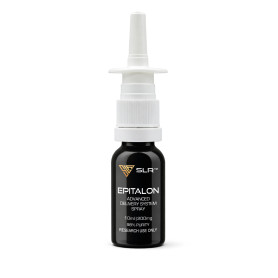
EPITALON - 10ml/200mg - Spray
€268.00
Tax excluded
IN-STOCK
favorite_border favorite
Epitalon stimulates the renewal of the whole body, beginning with the inside organs and working its way outward to the skin. It demonstrates a variety of bioactivities, including the following: Improving ocular retina condition in retinitis pigmentosa Anti-aging by activating chromatin in old age Anticancer and antitumour metastatic effects Activation telomerase Elongation of telomeres Survival of cells, resistance to stress and oxidative changes Balancing of endocrine secretion, improvement pineal gland function and increases the release of melatonin Decreased cortisol levels Increased antioxidant enzymes Increased brain health   FRESHLY PREPARED SOLUTION 
FGL - 10ml/30mg - Spray
€246.00
Tax excluded
IN-STOCK
favorite_border favorite
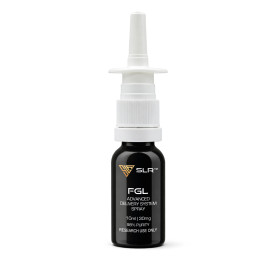
FGL has been investigated in experimental and preclinical research settings for its role in supporting synapse formation between neurons, a process associated with synaptic plasticity and structural neuronal adaptation. Increased activity-dependent synaptic communication observed in research models suggests that FGL may contribute to information encoding mechanisms underlying learning and memory-related processes. According to experimental studies, FGL has been explored in relation to the following neurobiological contexts: Neuroprotective mechanisms in neuronal stress models Modulation of cognitive performance parameters in experimental systems Neural recovery and adaptation following traumatic brain injury models Protection against experimentally induced neurotoxic stress Memory-related processes in learning paradigms Learning-associated synaptic plasticity mechanisms Neurodegenerative and cognitive decline research models Modulation of neuroinflammatory signaling in central nervous system models Regulation of mood-related behavioral parameters in experimental settings Activity-dependent enhancement of excitatory synaptic transmission    FRESHLY PREPARED SOLUTION 
FGL - 30mg
€189.00
Tax excluded
IN-STOCK
favorite_border favorite
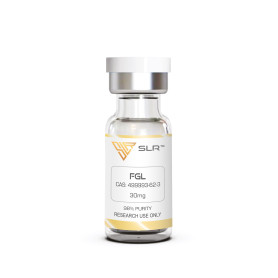
FGL has been investigated in experimental and preclinical research settings for its role in supporting synapse formation between neurons, a process associated with synaptic plasticity and structural neuronal adaptation. Increased activity-dependent synaptic communication observed in research models suggests that FGL may contribute to information encoding mechanisms underlying learning and memory-related processes. According to experimental studies, FGL has been explored in relation to the following neurobiological contexts: Neuroprotective mechanisms in neuronal stress models Modulation of cognitive performance parameters in experimental systems Neural recovery and adaptation following traumatic brain injury models Protection against experimentally induced neurotoxic stress Memory-related processes in learning paradigms Learning-associated synaptic plasticity mechanisms Neurodegenerative and cognitive decline research models Modulation of neuroinflammatory signaling in central nervous system models Regulation of mood-related behavioral parameters in experimental settings Activity-dependent enhancement of excitatory synaptic transmission      
GLYX-13 - 10 ml/500mg - Spray
€580.00
Tax excluded
IN-STOCK
favorite_border favorite
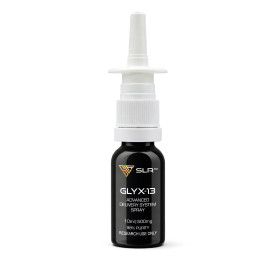
Glyx-13 has been investigated in preclinical, experimental, and clinical research for its role in NMDA receptor modulation, synaptic plasticity, cognitive processing, and rapid antidepressant-associated neuroadaptive signaling. In particular, research has explored its relevance in: Rapid antidepressant response and reduction of depressive symptoms Treatment-resistant depression research contexts Synaptic plasticity and long-term potentiation (LTP) NMDA receptor modulation and glutamatergic signaling mTORC1-associated synaptic remodeling Dendritic spine formation and synaptic protein expression Cognitive function, attention, and memory-related processes Prefrontal cortical signaling and adaptive neuronal responsiveness Stress-related neural dysfunction Neurobiological mechanisms distinct from ketamine, including the absence of psychotomimetic and dissociative effects in research settings FRESHLY PREPARED SOLUTION 
HUMANIN G - 10mg
€148.00
Tax excluded
IN-STOCK
favorite_border favorite
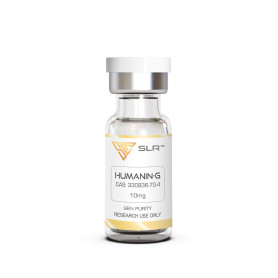
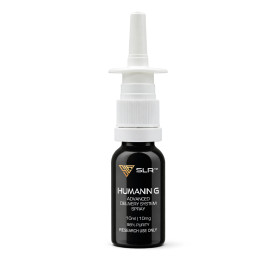
Humanin is a 24–amino acid mitochondrial-derived peptide in which each residue contributes to its biological activity. A key residue is serine at position 14, which is associated with neuroprotective properties. Substitution of this amino acid with glycine results in a more potent variant known as Humanin-G (HNG). Experimental research indicates that HNG exhibits substantially enhanced biological activity compared to native Humanin and is particularly effective in preserving mitochondrial function and cellular integrity under stress conditions. In preclinical and laboratory research settings, Humanin-G has been shown to support cellular survival by limiting mitochondrial dysfunction and reducing pathways associated with programmed cell death. These properties have generated scientific interest in its role within research models of ischemic injury, neurodegenerative processes such as Alzheimer’s disease, and other conditions linked to cellular stress. Based on experimental observations, Humanin-G has been associated with:  Protection against mitochondrial dysfunction in stressed cells Reduction of apoptosis-related cellular pathways Support of cellular longevity mechanisms in research models Modulation of insulin sensitivity in experimental systems Neuroprotective effects observed in models of ischemia and neurodegeneration
HUMANIN G - 10ml/10mg - Spray
€185.00
Tax excluded
IN-STOCK
favorite_border favorite
Humanin is a 24–amino acid mitochondrial-derived peptide in which each residue contributes to its biological activity. A key residue is serine at position 14, which is associated with neuroprotective properties. Substitution of this amino acid with glycine results in a more potent variant known as Humanin-G (HNG). Experimental research indicates that HNG exhibits substantially enhanced biological activity compared to native Humanin and is particularly effective in preserving mitochondrial function and cellular integrity under stress conditions. In preclinical and laboratory research settings, Humanin-G has been shown to support cellular survival by limiting mitochondrial dysfunction and reducing pathways associated with programmed cell death. These properties have generated scientific interest in its role within research models of ischemic injury, neurodegenerative processes such as Alzheimer’s disease, and other conditions linked to cellular stress. Based on experimental observations, Humanin-G has been associated with: Protection against mitochondrial dysfunction in stressed cells Reduction of apoptosis-related cellular pathways Support of cellular longevity mechanisms in research models Modulation of insulin sensitivity in experimental systems Neuroprotective effects observed in models of ischemia and neurodegeneration FRESHLY PREPARED SOLUTION 
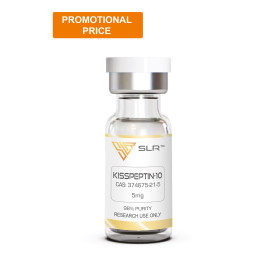
KISSPEPTIN-10 - 5mg
€52.00
Tax excluded
IN-STOCK
favorite_border favorite
Kisspeptin is a naturally occurring peptide in humans that has been extensively studied for its role in hormonal signaling associated with puberty and reproductive function. In research settings, it has also been linked to regulatory processes involving renal function, angiogenesis, testosterone modulation, and mood- and behavior-related neural pathways. The peptide has been identified in the brain and has been investigated for its association with mechanisms that limit tumor development and metastatic progression in experimental models. Of particular scientific interest is kisspeptin’s ability to influence gonadotropin-releasing hormone (GnRH) signaling, positioning it as a key regulator within the neuroendocrine system. Additional research suggests that kisspeptin may be involved in biological processes relevant to aging and age-associated functional changes.
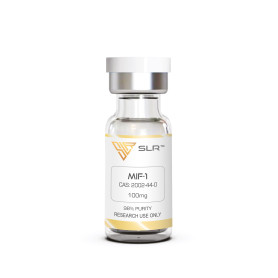
MIF-1 - 100mg
€168.00
Tax excluded
IN-STOCK
favorite_border favorite
MIF-1 (Melanocyte-Inhibiting Factor 1) has been investigated for its role in central nervous system signaling and neuronal regulation. Scientific studies have examined MIF-1 in relation to multiple biological processes associated with brain function, neurochemical balance, and cellular resilience. Research has primarily focused on MIF-1 in the context of the following areas: Neurotransmitter Modulation: Associated with the regulation of dopamine and serotonin signaling pathways involved in motor function and mood-related processes. Neuroplasticity: Linked to mechanisms that support synaptic plasticity relevant to learning and memory in experimental research. Neuroprotective Activity: Studied for its involvement in cellular pathways that help protect neurons from oxidative and inflammatory stress. Neuroregenerative Processes: Investigated for its role in mechanisms related to neuronal repair and cellular renewal in research models of neural injury. Mood-Related Signaling: Explored for its influence on neurochemical pathways associated with emotional regulation and stress responses. Cognitive Function: Associated in experimental settings with processes relevant to memory, attention, and higher-order cognitive performance. Neurodegenerative Research: Examined in studies focused on biological pathways involved in neurodegenerative conditions and age-related neural changes.
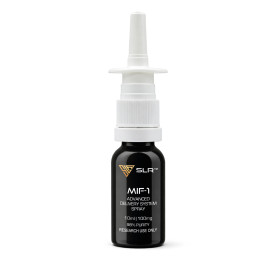
MIF-1 - 10ml/100mg - Spray
€215.00
Tax excluded
IN-STOCK
favorite_border favorite
MIF-1 (Melanocyte-Inhibiting Factor 1) has been investigated for its role in central nervous system signaling and neuronal regulation. Scientific studies have examined MIF-1 in relation to multiple biological processes associated with brain function, neurochemical balance, and cellular resilience. Research has primarily focused on MIF-1 in the context of the following areas: Neurotransmitter Modulation: Associated with the regulation of dopamine and serotonin signaling pathways involved in motor function and mood-related processes. Neuroplasticity: Linked to mechanisms that support synaptic plasticity relevant to learning and memory in experimental research. Neuroprotective Activity: Studied for its involvement in cellular pathways that help protect neurons from oxidative and inflammatory stress. Neuroregenerative Processes: Investigated for its role in mechanisms related to neuronal repair and cellular renewal in research models of neural injury. Mood-Related Signaling: Explored for its influence on neurochemical pathways associated with emotional regulation and stress responses. Cognitive Function: Associated in experimental settings with processes relevant to memory, attention, and higher-order cognitive performance. Neurodegenerative Research: Examined in studies focused on biological pathways involved in neurodegenerative conditions and age-related neural changes. FRESHLY PREPARED SOLUTION 
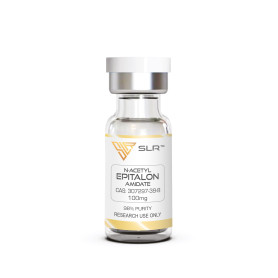
N-ACETYL EPITALON AMIDATE - 100mg
€159.00
Tax excluded
IN-STOCK
favorite_border favorite
Note: Due to N-acetylation and amidation, the peptide exhibits reduced polarity, which may result in lower water solubility compared to unmodified Epitalon.N-Acetyl Epitalon Amidate is a synthetically modified derivative of Epitalon (epithalamin), obtained through N-acetylation and C-terminal amidation. The acetylation and amidation modifications applied to N-acetyl Epitalon Amidate have been studied for their ability to confer enhanced molecular stability, extended half-life, and improved receptor interaction compared to the unmodified peptide. Epitalon and its modified forms have been extensively studied in relation to cellular aging processes, telomere biology, circadian regulation, and genomic stability. In particular, research has examined this peptide in the context of the following biological areas: Telomerase-related pathways Cellular stress resistance Endocrine and circadian regulation Stress hormone modulation Antioxidant activity Central nervous system function Longevity-related processes
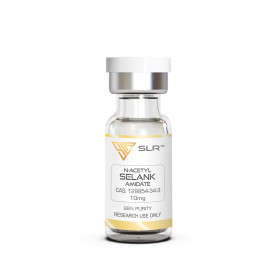
N-ACETYL SELANK AMIDATE - 10ml/60mg - Spray
€165.00
Tax excluded
IN-STOCK
favorite_border favorite
N-Acetyl Selank Amidate is a synthetically modified peptide that has been widely studied in experimental research for its role in neurogenic, neuroregulatory, and neurorestorative biological processes. Scientific investigations have primarily focused on its interaction with central nervous system signaling, neurochemical balance, immune-related modulation, and stress-associated pathways. Research has examined N-Acetyl Selank Amidate in relation to the following biological areas: Regulation of emotional and stress-related signaling Cognitive functions related to memory formation, information processing, and recall Modulation of attention, focus, and mental fatigue Learning-related mechanisms and adaptive cognitive responses Higher-order cortical functions, including speech, reasoning, and motor coordination Support of overall neurophysiological balance Immune-related signaling and immune system modulation Neurochemical pathways explored in alcohol withdrawal research models Regulation of monoamine neurotransmitters and serotonin metabolism Increased expression of brain-derived neurotrophic factor (BDNF) in experimental settings Modulation of T-helper cell cytokine balance and interleukin-6 (IL-6) expression Activation of interferon-related signaling pathways involved in antiviral defense FRESHLY PREPARED SOLUTION
N-ACETYL SELANK AMIDATE - 30mg
€75.00
Tax excluded
IN-STOCK
favorite_border favorite
N-Acetyl Selank Amidate is a synthetically modified peptide that has been widely studied in experimental research for its role in neurogenic, neuroregulatory, and neurorestorative biological processes. Scientific investigations have primarily focused on its interaction with central nervous system signaling, neurochemical balance, immune-related modulation, and stress-associated pathways. Research has examined N-Acetyl Selank Amidate in relation to the following biological areas: Regulation of emotional and stress-related signaling Cognitive functions related to memory formation, information processing, and recall Modulation of attention, focus, and mental fatigue Learning-related mechanisms and adaptive cognitive responses Higher-order cortical functions, including speech, reasoning, and motor coordination Support of overall neurophysiological balance Immune-related signaling and immune system modulation Neurochemical pathways explored in alcohol withdrawal research models Regulation of monoamine neurotransmitters and serotonin metabolism Increased expression of brain-derived neurotrophic factor (BDNF) in experimental settings Modulation of T-helper cell cytokine balance and interleukin-6 (IL-6) expression Activation of interferon-related signaling pathways involved in antiviral defense
N-ACETYL SEMAX AMIDATE - 10ml/60mg - Spray
€165.00
Tax excluded
IN-STOCK
favorite_border favorite
N-Acetyl Semax Amidate is a synthetic peptide that has been widely investigated in experimental research for its involvement in neurogenic and neurorestorative biological processes. Scientific studies have explored its activity in relation to central nervous system signaling, cognitive performance, vascular-associated mechanisms, and immune-related pathways. Research has primarily examined N-Acetyl Semax Amidate in the context of the following biological effects: Neuroprotective pathways associated with neuronal resilience Mechanisms involved in limiting nerve damage and supporting neural integrity Cognitive functions related to memory, learning, and information processing Cardiovascular-related signaling studied in ischemic and hypoxic research models Neurobehavioral pathways relevant to attention regulation Modulation of attention and focus-related neural activity Stress- and pain-associated signaling pathways explored in experimental settings FRESHLY PREPARED SOLUTION
N-ACETYL SEMAX AMIDATE - 30mg
€75.00
Tax excluded
IN-STOCK
favorite_border favorite
N-Acetyl Semax Amidate is a synthetic peptide that has been widely investigated in experimental research for its involvement in neurogenic and neurorestorative biological processes. Scientific studies have explored its activity in relation to central nervous system signaling, cognitive performance, vascular-associated mechanisms, and immune-related pathways. Research has primarily examined N-Acetyl Semax Amidate in the context of the following biological effects: Neuroprotective pathways associated with neuronal resilience Mechanisms involved in limiting nerve damage and supporting neural integrity Cognitive functions related to memory, learning, and information processing Cardiovascular-related signaling studied in ischemic and hypoxic research models Neurobehavioral pathways relevant to attention regulation Modulation of attention and focus-related neural activity Stress- and pain-associated signaling pathways explored in experimental settings
NEURO REGENERATION 1 - 10ml+100ml
€690.00
Tax excluded
IN-STOCK
favorite_border favorite
MITOCHONDRIAL FUNCTION / SYNAPTIC PLASTICITY / HIPPOCAMPAL NEUROGENESIS This multi-compound research formulation combines peptide-based and small-molecule neuroactive agents investigated in preclinical systems for neuronal stress resilience, synaptic integrity, and hippocampal structural support under experimental neurodegeneration and mood-dysregulation paradigms. Colivelin has been studied for amyloid-associated stress resistance and survival-signaling pathway modulation (including JAK/STAT3-related investigations). Cortagen has been explored for neuronal functional modulation, oxidative-stress markers, and recovery-related observations in neural stress and injury contexts. Humanin G  is a mitochondrial-derived micro-peptide analog investigated for cytoprotective signaling, anti-apoptotic mechanisms, and mitochondrial redox resilience across neurodegeneration- and systemic-stress models. J-147 is a small-molecule candidate studied for mitochondrial-functional modulation with downstream effects described on bioenergetics, AMPK-linked energy sensing, oxidative-stress markers, synaptic plasticity parameters. NSI-189 phosphate is a neurogenic small molecule investigated for dentate gyrus neurogenesis, hippocampal microarchitecture support, and circuit-level effects relevant to mood and cognition in preclinical research settings. FRESHLY PREPARED SOLUTION
NEURO REGENERATION 2 - 10ml+10ml - Spray
€1,680.00
Tax excluded
IN-STOCK
favorite_border favorite
NEUROTROPHIC ACTIVATION / SYNAPTIC PLASTICITY / NEURAL REPAIR Neuro Regeneration 2 is a dual-phase peptide formulation developed to support research into synaptic plasticity, hippocampal neurogenesis, neuronal repair, and adaptive neurochemical regulation under conditions of neural stress. The formulation is structured in two complementary vials: Vial A focuses on neurotrophic signaling, activity-dependent plasticity, memory-related circuitry, and amyloid-associated synaptic resilience through FGL, Colivelin, P-21, and cAC-253; Vial B is oriented toward structural neural repair, oxidative and apoptotic stress adaptation, circadian support, and neurotransmitter-related regulation through Cortagen, Pinealon, and MIF-1. Together, the system is designed to investigate coordinated mechanisms involved in neuronal differentiation, synaptic maintenance, functional recovery, and long-term neural resilience.FRESHLY PREPARED SOLUTION
OREXIN A - 5mg
€120.00
Tax excluded
Temporarily unavailable
favorite_border favorite
Orexin-A is a neuropeptide that has been extensively studied for its role in the regulation of wakefulness and arousal. Research has also explored its involvement in pathways related to appetite regulation, locomotor activity, and autonomic nervous system signaling, including modulation of sympathetic tone. These findings highlight the importance of Orexin-A in maintaining physiological balance across sleep–wake cycles and energy-related processes.
OREXIN A+B - 10ml/5+5mg - Spray
€265.00
Tax excluded
IN-STOCK
favorite_border favorite
Orexin-A (Hypocretin-1) is a neuropeptide derived from the lateral hypothalamus and plays a central role in sleep–wake regulation, arousal stability, and autonomic balance. It interacts with orexin receptors OXR1 and OXR2 and modulates key neurotransmitter systems including dopamine, norepinephrine, serotonin, and histamine. Experimental research has examined Orexin-A in models of narcolepsy, sleep–wake dysregulation, neuroinflammation, thermoregulation, and autonomic control. Due to its ability to cross the blood–brain barrier, Orexin-A remains a molecule of interest in central nervous system signaling research. Orexin-B (Hypocretin-2) is a hypothalamic neuropeptide primarily interacting with the orexin receptor OXR2, contributing to sleep–wake homeostasis and arousal regulation. Unlike Orexin-A, Orexin-B exhibits receptor selectivity toward OXR2, making it a valuable tool for receptor-specific signaling studies. Preclinical research has investigated Orexin-B in the context of narcolepsy models, vigilance state regulation, autonomic modulation, and neuroendocrine signaling. Its receptor selectivity provides insight into differential orexin pathway activation in sleep and arousal research. FRESHLY PREPARED SOLUTION
OREXIN B - 5mg
€120.00
Tax excluded
IN-STOCK
favorite_border favorite
Research indicates that Orexin-B is a neuropeptide involved in the regulation of wakefulness and arousal. It has been studied for its role in appetite-related signaling, locomotor activity, and modulation of sympathetic nervous system tone. Through its interactions with orexin receptors, Orexin-B contributes to neural pathways associated with vigilance, energy balance, and autonomic regulation.
OXYTOCIN - 10mg
€49.00
Tax excluded
IN-STOCK
favorite_border favorite
Oxytocin is a multifunctional peptide hormone and neuropeptide involved in a wide range of physiological and psychological processes. Synthesized in the hypothalamus and released by the posterior pituitary gland, it acts both peripherally and within the central nervous system. Research has associated oxytocin with the following effects:Exhibits anti-inflammatory properties that support wound healing and tissue regenerationEnhances trust, empathy, and social recognition involved in interpersonal bondingImproves recognition of emotional expressions, supporting effective social communicationModulates neurotransmitter systems such as dopamine and serotonin, contributing to mood balance and stress reductionHas been investigated for potential roles in reducing symptoms associated with anxiety and depressive statesContributes to sexual receptivity and reproductive behaviors in both men and womenReduces activity of the amygdala, which is associated with fear and anxiety responsesInduces uterine contractions during labor and mediates milk ejection during breastfeeding
OXYTOCIN - 10ml/10mg - Spray
€68.00
Tax excluded
IN-STOCK
favorite_border favorite
Oxytocin is a multifunctional peptide hormone and neuropeptide involved in a wide range of physiological and psychological processes. Synthesized in the hypothalamus and released by the posterior pituitary gland, it acts both peripherally and within the central nervous system. Research has associated oxytocin with the following effects: Exhibits anti-inflammatory properties that support wound healing and tissue regeneration Enhances trust, empathy, and social recognition involved in interpersonal bonding Improves recognition of emotional expressions, supporting effective social communication Modulates neurotransmitter systems such as dopamine and serotonin, contributing to mood balance and stress reduction Has been investigated for potential roles in reducing symptoms associated with anxiety and depressive states Contributes to sexual receptivity and reproductive behaviors in both men and women Reduces activity of the amygdala, which is associated with fear and anxiety responsesInduces uterine contractions during labor and mediates milk ejection during breastfeeding FRESHLY PREPARED SOLUTION 
P-21 - 10ml/100mg - Spray
€435.00
Tax excluded
IN-STOCK
favorite_border favorite
Our Commitment to Analytical Transparency Whenever available, our third-party Certificates of Analysis (COAs) include: - HPLC purity testing - Mass Spectrometry (MS) identity confirmation - Net Peptide Content (NPC) analysis We believe that Net Peptide Content analysis is particularly important for evaluating the actual amount of peptide present, taking into account residual moisture, counterions, and other non-peptide components.Research indicates that P21 is associated with increased levels of brain-derived neurotrophic factor (BDNF), a key molecule involved in neuronal development and synaptic plasticity. BDNF is linked to enhanced neurogenesis and has been shown in experimental models to modulate biological pathways related to amyloid plaque and tau protein formation, both of which are characteristic features of Alzheimer’s disease pathology. In addition, multiple studies suggest that P21 supports learning processes and cognitive performance by promoting neuroplastic mechanisms and maintaining synaptic function in the central nervous system. FRESHLY PREPARED SOLUTION
P-21 - 50mg
€220.00
Tax excluded
IN-STOCK
favorite_border favorite
Our Commitment to Analytical Transparency Whenever available, our third-party Certificates of Analysis (COAs) include: - HPLC purity testing - Mass Spectrometry (MS) identity confirmation - Net Peptide Content (NPC) analysis We believe that Net Peptide Content analysis is particularly important for evaluating the actual amount of peptide present, taking into account residual moisture, counterions, and other non-peptide components.Research indicates that P21 is associated with increased levels of brain-derived neurotrophic factor (BDNF), a key molecule involved in neuronal development and synaptic plasticity. BDNF is linked to enhanced neurogenesis and has been shown in experimental models to modulate biological pathways related to amyloid plaque and tau protein formation, both of which are characteristic features of Alzheimer’s disease pathology. In addition, multiple studies suggest that P21 supports learning processes and cognitive performance by promoting neuroplastic mechanisms and maintaining synaptic function in the central nervous system.
PE-22-28 - 10ml/20mg - Spray
€185.00
Tax excluded
IN-STOCK
favorite_border favorite
PE-22-28 is a synthetic derivative of the naturally occurring peptide spadin that targets the TREK-1 channel. Since TREK-1 is found in brain regions that govern mood, memory, and learning, PE-22-28 was designed with the goal of being a potential treatment candidate for depression and a powerful stimulator of neurogenesis and synaptogenesis in the hippocampus. PE-22-28 is currently being researched for several applications, including: Antidepressant activity Enhancement of memory and learning Support for stroke recovery Potential roles in addressing neurodegenerative diseases such as Alzheimer’s Promotion of neurogenesis FRESHLY PREPARED SOLUTION
PE-22-28 - 5mg
€42.00
Tax excluded
IN-STOCK
favorite_border favorite
PE-22-28 is a synthetic derivative of the naturally occurring peptide spadin that targets the TREK-1 channel. Since TREK-1 is found in brain regions that govern mood, memory, and learning, PE-22-28 was designed with the goal of being a potential treatment candidate for depression and a powerful stimulator of neurogenesis and synaptogenesis in the hippocampus. PE-22-28 is currently being researched for several applications, including: Antidepressant activity Enhancement of memory and learning Support for stroke recovery Potential roles in addressing neurodegenerative diseases such as Alzheimer’s Promotion of neurogenesis
PINEALON - 100mg
€240.00
Tax excluded
IN-STOCK
favorite_border favorite
Most peptides exert their biological effects by interacting with cell surface or intracellular receptors. However, a limited number of peptides are capable of binding directly to DNA, thereby influencing fundamental biological processes at the level of gene regulation. Pinealon is one of these bioregulatory peptides. It has demonstrated neuroprotective properties and is considered a promising candidate for research focused on the modulation and management of various neurological conditions. Pinealon is known to affect the central nervous system by influencing behavior while also protecting neurons and other cell types from oxidative damage. One of the most notable characteristics of Pinealon is its ability to cross the cellular membrane, nuclear membrane, and the blood–brain barrier. This unique property helps explain its capacity to interact directly with DNA and regulate gene expression. Pinealon has been associated in research with potential applications including: Anti-aging effects Neuronal protection Modulation of depressive pathways Research into neurological disorders such as Alzheimer’s disease and Parkinson’s disease Memory enhancement Regulation of sleep and circadian rhythms
PINEALON - 10ml/100mg - Spray
€290.00
Tax excluded
IN-STOCK
favorite_border favorite
Most peptides exert their biological effects by interacting with cell surface or intracellular receptors. However, a limited number of peptides are capable of binding directly to DNA, thereby influencing fundamental biological processes at the level of gene regulation. Pinealon is one of these bioregulatory peptides. It has demonstrated neuroprotective properties and is considered a promising candidate for research focused on the modulation and management of various neurological conditions. Pinealon is known to affect the central nervous system by influencing behavior while also protecting neurons and other cell types from oxidative damage. One of the most notable characteristics of Pinealon is its ability to cross the cellular membrane, nuclear membrane, and the blood–brain barrier. This unique property helps explain its capacity to interact directly with DNA and regulate gene expression. Pinealon has been associated in research with potential applications including: Anti-aging effects Neuronal protection Modulation of depressive pathways Research into neurological disorders such as Alzheimer’s disease and Parkinson’s disease Memory enhancement Regulation of sleep and circadian rhythms FRESHLY PREPARED SOLUTION
PT-141 - 10mg
€46.00
Tax excluded
IN-STOCK
favorite_border favorite
Bremelanotide, also known as PT-141, is a synthetic peptide structurally related to alpha-MSH and melanocortin signaling molecules. It acts as an agonist of the MC3R and MC4R melanocortin receptors, which are involved in central nervous system pathways regulating motivation and arousal. By activating these receptors, PT-141 stimulates hypothalamic and related brain regions associated with sexual interest and behavioral response. Research indicates that its activity is centrally mediated rather than dependent on peripheral vascular mechanisms. While initially explored for sexual function in both men and women, scientific studies have shown particular relevance in premenopausal women experiencing conditions related to reduced sexual desire or arousal. According to research observations, PT-141 (Bremelanotide) has been associated with: Increased sexual desire and libido Higher frequency of sexual activity Support of erectile response in men with erectile dysfunction or impotence Potential benefit in premenopausal women with hypoactive sexual desire disorder Support in female sexual arousal–related dysfunctions Increased subjective energy and vitality levels
SETMELANOTIDE - 20 mg
€90.00
Tax excluded
IN-STOCK
favorite_border favorite
Setmelanotide is a synthetic peptide and potent melanocortin 4 receptor (MC4R) agonist studied for its ability to restore satiety signaling in rare genetic disorders such as POMC deficiency, PCSK1 deficiency, and leptin-related pathway dysfunction. It works by directly activating MC4R, bypassing upstream genetic defects that impair production of α-MSH and other satiety mediators. Research suggests that setmelanotide has significantly higher potency than endogenous α-MSH and may reduce hyperphagia and support weight loss in genetically defined obesity conditions. Its activity may be influenced by its atypical bitopic binding behavior, interacting with both orthosteric and putative allosteric receptor sites, potentially contributing to improved receptor specificity and a distinct signaling profile compared to earlier MC4R agonists.
TALTIRELIN - 10mg, 100mg
€60.00
Tax excluded
IN-STOCK
favorite_border favorite
Taltirelin is a synthetic TRH analogue studied primarily for its effects in spinocerebellar degeneration and related motor coordination disorders. Acting as a biased superagonist at TRH-R1, it influences central neurotransmission and has been investigated for neuroprotective, anti-ataxic, and pro-cognitive effects. Research suggests taltirelin may modulate multiple neurotransmitter systems, including acetylcholine, dopamine, serotonin, and noradrenaline, contributing to interest in its potential relevance for memory impairment, depressive-like conditions, arousal regulation, and fatigue-related disorders. Additional studies have explored its antinociceptive properties and possible effects on neurite outgrowth and spinal cord-related neural recovery, making it a notable peptide in experimental research involving neurodegeneration, cognition, and neurological resilience.
TALTIRELIN - 10ml/100mg - Spray
€420.00
Tax excluded
IN-STOCK
favorite_border favorite
Taltirelin is a synthetic TRH analogue studied primarily for its effects in spinocerebellar degeneration and related motor coordination disorders. Acting as a biased superagonist at TRH-R1, it influences central neurotransmission and has been investigated for neuroprotective, anti-ataxic, and pro-cognitive effects. Research suggests taltirelin may modulate multiple neurotransmitter systems, including acetylcholine, dopamine, serotonin, and noradrenaline, contributing to interest in its potential relevance for memory impairment, depressive-like conditions, arousal regulation, and fatigue-related disorders. Additional studies have explored its antinociceptive properties and possible effects on neurite outgrowth and spinal cord-related neural recovery, making it a notable peptide in experimental research involving neurodegeneration, cognition, and neurological resilience. FRESHLY PREPARED SOLUTION
TAT-CBD3 - 10ml/400mg - Spray
€690.00
Tax excluded
Developed Compound ✦ Limited Stock Available
favorite_border favorite
TAT-CBD3 is a cell-penetrating peptide designed to modulate neuropathic pain by selectively disrupting the interaction between CRMP-2 and CaV2.2 voltage-gated calcium channels. By reducing calcium influx and excitatory neurotransmitter release, it decreases nociceptor hyperexcitability and abnormal pain signaling. Unlike conventional analgesics, TAT-CBD3 targets upstream molecular mechanisms involved in pain transmission, offering a more selective neuromodulatory approach. Preclinical studies have demonstrated its ability to reduce key features of neuropathic pain, including allodynia, hyperalgesia, and hypersensitivity.
TRH - THYROTROPIN - 20 mg
€80.00
Tax excluded
favorite_border favorite
Thyrotropin-Releasing Hormone (TRH) is a naturally occurring tripeptide neurohormone best known for stimulating pituitary release of TSH and regulating thyroid hormone production. Beyond its classical endocrine role, TRH is widely distributed throughout the CNS and peripheral tissues, suggesting broader biological functions. Research indicates that TRH may influence immune development and immune homeostasis through interactions with cytokine signaling pathways, supporting its relevance in inflammatory disorders and cytokine-induced sickness behavior models. Animal studies have suggested that TRH may improve aging-related metabolic and hormonal parameters, including support for reproductive function, reduction of age-associated kidney degeneration, and modulation of fat metabolism. Additional investigations have explored TRH’s potential role in thymus-related immune resilience and pancreatic metabolic regulation.
VESUGEN - 10ml/100mg - Spray
€235.00
Tax excluded
IN-STOCK
favorite_border favorite
Vesugen is a short synthetic bioregulatory peptide investigated for its role in vascular and neurovascular regulation. It belongs to a class of organ-specific peptides studied for their potential capacity to modulate gene expression patterns associated with endothelial stability, metabolic regulation, and cellular stress resistance. Experimental models have explored its interaction with genes such as p16 and p21 (cell cycle regulation), as well as pathways linked to SIRT1 activity, which is widely associated with metabolic control, stress adaptation, and longevity-related signaling mechanisms. Within neurovascular research contexts, Vesugen has been examined for its potential role in maintaining microvascular integrity and supporting oxidative balance in neural tissues. Additional research has evaluated Vesugen in the context of endothelial gene expression, nitric oxide signaling balance, and vascular membrane stability. Modulation of endothelin-1 expression and reduction of oxidative vascular markers have been reported in controlled laboratory studies. Overall, Vesugen is characterized in scientific literature as a vascular bioregulatory peptide investigated for its potential epigenetic modulation of gene expression related to endothelial function, neurovascular stability, metabolic balance, and cellular aging pathways. FRESHLY PREPARED SOLUTION 
VESUGEN - 500mg
€780.00
Tax excluded
Developed Compound ✦ Limited Stock Available
favorite_border favorite
Vesugen is a short synthetic bioregulatory peptide investigated for its role in vascular and neurovascular regulation. It belongs to a class of organ-specific peptides studied for their potential capacity to modulate gene expression patterns associated with endothelial stability, metabolic regulation, and cellular stress resistance. Experimental models have explored its interaction with genes such as p16 and p21 (cell cycle regulation), as well as pathways linked to SIRT1 activity, which is widely associated with metabolic control, stress adaptation, and longevity-related signaling mechanisms. Within neurovascular research contexts, Vesugen has been examined for its potential role in maintaining microvascular integrity and supporting oxidative balance in neural tissues. Additional research has evaluated Vesugen in the context of endothelial gene expression, nitric oxide signaling balance, and vascular membrane stability. Modulation of endothelin-1 expression and reduction of oxidative vascular markers have been reported in controlled laboratory studies. Overall, Vesugen is characterized in scientific literature as a vascular bioregulatory peptide investigated for its potential epigenetic modulation of gene expression related to endothelial function, neurovascular stability, metabolic balance, and cellular aging pathways.
VESUGEN -100mg
€185.00
Tax excluded
IN-STOCK
favorite_border favorite
Vesugen is a short synthetic bioregulatory peptide investigated for its role in vascular and neurovascular regulation. It belongs to a class of organ-specific peptides studied for their potential capacity to modulate gene expression patterns associated with endothelial stability, metabolic regulation, and cellular stress resistance. Experimental models have explored its interaction with genes such as p16 and p21 (cell cycle regulation), as well as pathways linked to SIRT1 activity, which is widely associated with metabolic control, stress adaptation, and longevity-related signaling mechanisms. Within neurovascular research contexts, Vesugen has been examined for its potential role in maintaining microvascular integrity and supporting oxidative balance in neural tissues. Additional research has evaluated Vesugen in the context of endothelial gene expression, nitric oxide signaling balance, and vascular membrane stability. Modulation of endothelin-1 expression and reduction of oxidative vascular markers have been reported in controlled laboratory studies. Overall, Vesugen is characterized in scientific literature as a vascular bioregulatory peptide investigated for its potential epigenetic modulation of gene expression related to endothelial function, neurovascular stability, metabolic balance, and cellular aging pathways.
VIP - VASOACTIVE INTESTINAL PEPTIDE - 6 mg
€70.00
Tax excluded
IN-STOCK
favorite_border favorite
VIP (Vasoactive Intestinal Peptide) is a 28–amino acid neuropeptide of the secretin–glucagon family, widely expressed in the brain, gastrointestinal tract, pancreas, lungs, heart, thyroid, adrenal glands, and thymus. It acts through the GPCR receptors VPAC1 and VPAC2, activating cAMP-related signaling pathways that regulate vascular tone, immune balance, secretion mechanisms, and neuronal survival. Research suggests VIP has neuroprotective and neurotrophic properties, supporting blood–brain barrier integrity, reducing oxidative stress, and modulating neuroinflammation, with relevance in neurodegenerative models such as Alzheimer’s and Parkinson’s disease. VIP also regulates circadian rhythm via hypothalamic signaling, supports gastrointestinal motility and barrier integrity, and has immunomodulatory effects by reducing pro-inflammatory cytokines and promoting immune tolerance. Additional studies indicate antifibrotic and vasodilatory activity relevant to cardiovascular and pulmonary disease models, as well as potential relevance in transplantation tolerance research and lacrimal secretion regulation in dry eye-related conditions.