Cardiovascular

Active filters

AICAR - 100mg
€110.00
Tax excluded
IN-STOCK
favorite_border favorite
Adenosine monophosphate (AMP) has a well-known experimental analog in the molecule AICAR. In preclinical research models, AICAR has been extensively used to investigate AMPK-mediated cellular energy regulation, metabolic stress responses, and redox balance. In in vitro systems and animal studies, AICAR has been evaluated in experimental contexts related to cardiac ischemia models, where AMPK activation has been associated with modulation of cellular survival pathways under ischemic stress. Due to its role in regulating oxidative stress and energy metabolism, AICAR has also been studied in experimental ageing-related models, as well as in preclinical models of metabolic and inflammatory dysregulation, including those used to investigate mechanisms relevant to insulin signaling, immune activation, and chronic inflammation. These findings are limited to controlled laboratory and animal research settings and are used to explore underlying biological mechanisms rather than clinical applications.
AICAR - 10ml/100mg - Spray
€148.00
Tax excluded
IN-STOCK
favorite_border favorite
Adenosine monophosphate (AMP) has a well-known experimental analog in the molecule AICAR. In preclinical research models, AICAR has been extensively used to investigate AMPK-mediated cellular energy regulation, metabolic stress responses, and redox balance. In in vitro systems and animal studies, AICAR has been evaluated in experimental contexts related to cardiac ischemia models, where AMPK activation has been associated with modulation of cellular survival pathways under ischemic stress. Due to its role in regulating oxidative stress and energy metabolism, AICAR has also been studied in experimental ageing-related models, as well as in preclinical models of metabolic and inflammatory dysregulation, including those used to investigate mechanisms relevant to insulin signaling, immune activation, and chronic inflammation. These findings are limited to controlled laboratory and animal research settings and are used to explore underlying biological mechanisms rather than clinical applications.   FRESHLY PREPARED SOLUTION 
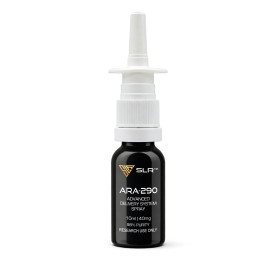
ARA-290 - 10ml/40mg - Spray
€189.00
Tax excluded
IN-STOCK
favorite_border favorite
ARA-290 has been investigated in preclinical and experimental research models designed to study inflammatory, metabolic, vascular, and neurobiological mechanisms relevant to the following disease-related research contexts: Cardiovascular-related experimental modelsRetinal ischemia and microvascular injury models Peripheral nerve injury and neuropathy models Small fiber nerve degeneration models Chronic inflammatory joint disease models Renal inflammation and metabolic stress models Hepatic lipid accumulation and inflammatory liver models Intestinal inflammation models Systemic autoimmune and immune dysregulation models Wound healing and tissue repair models  FRESHLY PREPARED SOLUTION 
ARA-290 - 40mg
€145.00
Tax excluded
IN-STOCK
favorite_border favorite
ARA-290 has been investigated in preclinical and experimental research models designed to study inflammatory, metabolic, vascular, and neurobiological mechanisms relevant to the following disease-related research contexts: Cardiovascular-related experimental modelsRetinal ischemia and microvascular injury models Peripheral nerve injury and neuropathy models Small fiber nerve degeneration models Chronic inflammatory joint disease models Renal inflammation and metabolic stress models Hepatic lipid accumulation and inflammatory liver models Intestinal inflammation models Systemic autoimmune and immune dysregulation models Wound healing and tissue repair models 
B7-33 - 10mg
€115.00
Tax excluded
IN-STOCK
favorite_border favorite
B7-33 has been investigated in preclinical research models related to: Fibrotic tissue remodeling models Vascular protection and endothelial signaling models Cardiac injury and post-ischemic remodeling models Pulmonary inflammation and fibrosis-related models 
B7-33 - 10ml/20mg - Spray
€268.00
Tax excluded
IN-STOCK
favorite_border favorite
B7-33 has been investigated in preclinical research models related to: Fibrotic tissue remodeling models Vascular protection and endothelial signaling models Cardiac injury and post-ischemic remodeling models Pulmonary inflammation and fibrosis-related models  FRESHLY PREPARED SOLUTION 
BPC-157 + THYMOSIN B-4 - 10+10mg
€148.00
Tax excluded
IN-STOCK
favorite_border favorite
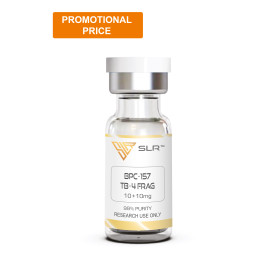
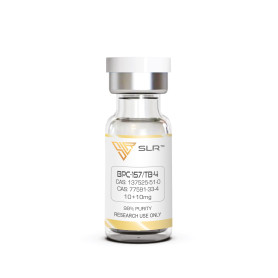
BPC-157 is a 15-amino-acid synthetic peptide used in preclinical research models to investigate cellular repair mechanisms, extracellular matrix dynamics, vascular signaling, and tissue stress responses. In in vitro systems and animal studies, BPC-157 has been explored for its involvement in pathways related to fibroblast activity, angiogenesis, nitric oxide-associated signaling, coagulation-related processes, immune modulation, and gene expression regulation under experimental conditions. Thymosin Beta-4 is a 43-amino-acid peptide widely used in preclinical experimental systems to study actin-mediated cell migration, angiogenesis, inflammatory signaling, and tissue remodeling processes. In laboratory and animal models, Thymosin Beta-4 has been investigated for its role in wound-associated cell dynamics, oxidative stress responses, and regeneration-related signaling pathways. 
BPC-157 ARG + TB-4 FRAG - 10ml/30mg + 30mg - Spray
€228.00
Tax excluded
IN-STOCK
favorite_border favorite
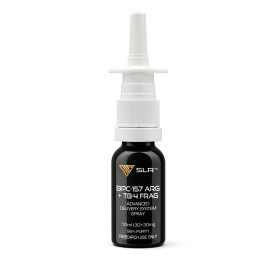
BPC-157 is a 15-amino-acid synthetic peptide used in preclinical research models to investigate cellular repair mechanisms, extracellular matrix dynamics, vascular signaling, and tissue stress responses. In in vitro systems and animal studies, BPC-157 has been explored for its involvement in pathways related to fibroblast activity, angiogenesis, nitric oxide-associated signaling, coagulation-related processes, immune modulation, and gene expression regulation under experimental conditions. Thymosin Beta-4 Fragment is a short peptide derived from the active region of Thymosin Beta-4, commonly employed in preclinical research to investigate actin-regulated cell migration, angiogenesis, inflammatory modulation, and tissue remodeling mechanisms. In experimental models, it has been studied for its involvement in wound-related cellular dynamics, oxidative stress responses, and regeneration-associated signaling pathways. FRESHLY PREPARED SOLUTION 
CARDIOGEN - 10ml/50mg - Spray
€187.00
Tax excluded
IN-STOCK
favorite_border favorite
Cardiogen is a short synthetic peptide used in preclinical research models to study fibroblast-associated signaling and tissue remodeling mechanisms. In in vitro systems and animal studies, it has been investigated for its role in regulating cellular processes involved in extracellular matrix organization and scar-related responses under experimental conditions. FRESHLY PREPARED SOLUTION 
CARDIOGEN - 50mg
€146.00
Tax excluded
IN-STOCK
favorite_border favorite
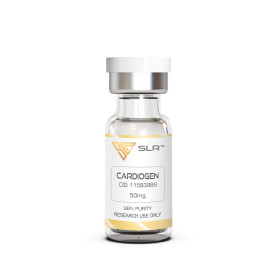
Cardiogen is a short synthetic peptide used in preclinical research models to study fibroblast-associated signaling and tissue remodeling mechanisms. In in vitro systems and animal studies, it has been investigated for its role in regulating cellular processes involved in extracellular matrix organization and scar-related responses under experimental conditions.
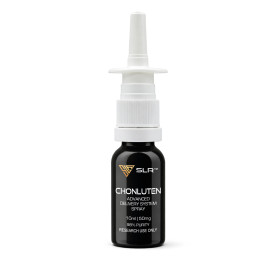
CHONLUTEN - 10ml/50mg - Spray
€140.00
Tax excluded
IN-STOCK
favorite_border favorite
Chonluten has been explored in relation to the regulation of pulmonary mucosa, gene networks involved in inflammatory and antioxidant processes, and tissue adaptation mechanisms across a broad range of acute and chronic respiratory and systemic stress conditions, of both infectious and non-infectious origin, including age-associated functional decline. Experimental findings indicate a predominant activity within pulmonary tissue, with secondary involvement observed in the gastrointestinal tract. Specifically, Chonluten has been studied in preclinical research contexts involving: post-infectious pulmonary recovery states chronic cardiopulmonary functional impairment persistent respiratory dysfunction recovery phases following prolonged mechanical ventilation long-term pulmonary adaptation after remission of granulomatous conditions acute respiratory distress and hypoxia-associated states high physiological load and exercise-related respiratory stress maintenance of respiratory function in ageing biological systems inflammation-driven pulmonary mucosal dysregulation inflammatory states and alterations of the gastrointestinal mucosa FRESHLY PREPARED SOLUTION 
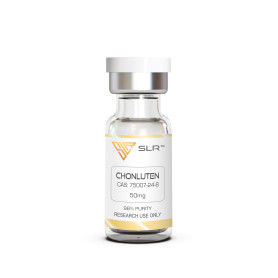
CHONLUTEN - 50mg
€110.00
Tax excluded
IN-STOCK
favorite_border favorite
Chonluten has been explored in relation to the regulation of pulmonary mucosa, gene networks involved in inflammatory and antioxidant processes, and tissue adaptation mechanisms across a broad range of acute and chronic respiratory and systemic stress conditions, of both infectious and non-infectious origin, including age-associated functional decline. Experimental findings indicate a predominant activity within pulmonary tissue, with secondary involvement observed in the gastrointestinal tract. Specifically, Chonluten has been studied in preclinical research contexts involving: post-infectious pulmonary recovery states chronic cardiopulmonary functional impairment persistent respiratory dysfunction recovery phases following prolonged mechanical ventilation long-term pulmonary adaptation after remission of granulomatous conditions acute respiratory distress and hypoxia-associated states high physiological load and exercise-related respiratory stress maintenance of respiratory function in ageing biological systems inflammation-driven pulmonary mucosal dysregulation inflammatory states and alterations of the gastrointestinal mucosa
GDF-11 - 10ug
€119.00
Tax excluded
If the item is temporarily out of stock when you place your order, the item will automatically move to a back order status. Then, when we get that item back in stock, we will ship it to the shipping address on your account
favorite_border favorite
GDF11 has been shown to improve the outcomes of neurodegenerative and neurovascular diseases, increase the amount of skeletal muscle and boost muscular strength. It also has the power to reverse age-related degenerative alterations, as well as govern organ and skin regeneration following damage. These are all examples of its biological effects, which include reversing senescence.
GERMANIUM SESQUIOXIDE GE-132 - 99,99% - 50g
€189.00
Tax excluded
IN-STOCK
favorite_border favorite
Organic Germanium GE-132 (carboxyethylgermanium sesquioxide) is a water-soluble organogermanium compound investigated for its effects on immune signaling, chemokine regulation, and oxidative stress pathways. Research consistently highlights modulation of the CCL2–CCR2 chemokine axis, which influences monocyte recruitment and macrophage trafficking, as well as induction of interferon-associated pathways with activation of NK cells and macrophages in experimental models. GE-132 has also been shown to suppress NF-κB and MAPK signaling and reduce inflammatory mediators under controlled conditions. Another key feature is redox modulation. Several studies report protection against hydrogen peroxide–induced oxidative stress, increased intracellular glutathione, reduced LDL oxidation, elevated α-tocopherol levels, and improved antioxidant enzyme activity. In vitro data also indicate increased cellular ATP levels and potential support of mitochondrial bioenergetics. Preclinical oncology research describes effects on tumor microenvironment regulation, macrophage M1 gene polarization, inhibition of the CCL2 pathway, and reduction of tumor progression. Additional experimental contexts include vascular inflammation, myocardial remodeling, neuroinflammatory paradigms, hepatic oxidative injury, antiviral immune signaling, and wound healing biology.
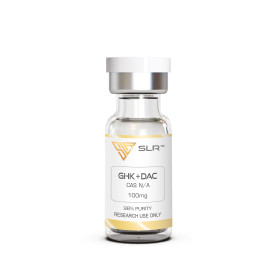
GHK +DAC - 100mg
€265.00
Tax excluded
Made to Order Compound
favorite_border favorite
GHK with DAC is a modified form of the naturally occurring tripeptide GHK that has been engineered to enhance stability and prolong its persistence in experimental systems. Like native GHK, it has been widely investigated in laboratory and preclinical research for its involvement in multiple biological processes. Scientific studies suggest that GHK is associated with the following research-observed activities: Support of tissue repair processes Modulation of fibrinogen-related pathways Activation of DNA repair–related gene networks Engagement of the ubiquitin/proteasome system Influence on insulin and insulin-like signaling pathways. The addition of DAC (Drug Affinity Complex or stabilizing moiety) is designed to enhance resistance to enzymatic degradation and extend the duration of peptide activity in experimental conditions. This modification may allow for more sustained interaction with biological systems, supporting improved observation of time-dependent and cumulative effects in research models. Collectively, these properties make GHK with DAC a molecule of interest in research areas such as tissue regeneration, aging mechanisms, metabolic regulation, and cellular homeostasis, particularly in experimental settings where prolonged peptide exposure is required.
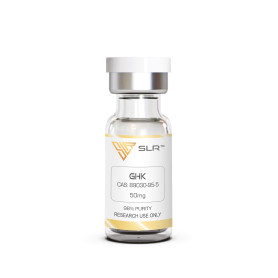
GHK - 50mg
€55.00
Tax excluded
IN-STOCK
favorite_border favorite
GHK is a naturally occurring tripeptide that has been widely investigated in experimental and laboratory research for its involvement in multiple biological processes. Scientific studies suggest that GHK is associated with the following research-observed activities: Support of tissue repair processes: Linked to collagen-related pathways and cellular mechanisms involved in wound repair and tissue maintenance. Modulation of fibrinogen-related pathways: Associated with inflammatory signaling regulation and vascular biology mechanisms in experimental models. Activation of DNA repair–related gene networks: Observed to influence pathways connected to genomic stability and cellular maintenance. Engagement of the ubiquitin/proteasome system: Studied for its role in supporting protein quality control and cellular homeostasis. Influence on insulin and insulin-like signaling pathways: Associated with metabolic regulation mechanisms in gene expression studies. Collectively, these properties make GHK a molecule of interest in research areas such as cardiovascular biology, aging mechanisms, metabolic regulation, and tissue regeneration. 
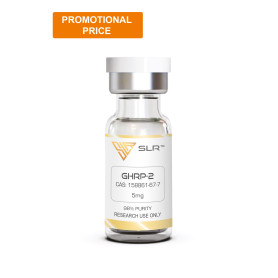
GHRP-2 - 5mg
€29.00
Tax excluded
IN-STOCK
favorite_border favorite
GHRP-2 is a synthetic hexapeptide classified as a growth hormone secretagogue and a selective agonist of the ghrelin receptor (GHS-R1a). It is studied in research contexts for its interaction with receptor-mediated signaling pathways involved in endocrine regulation and pituitary-associated communication processes. Due to its targeted receptor activity, GHRP-2 remains a compound of interest in experimental models investigating signaling mechanisms related to growth hormone regulatory pathways and systemic endocrine coordination.
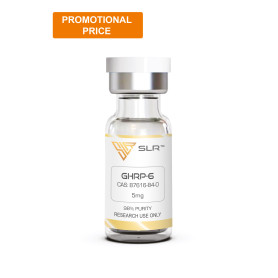
GHRP-6 - 5mg
€29.00
Tax excluded
IN-STOCK
favorite_border favorite
GHRP-6 is a synthetic hexapeptide classified as a growth hormone secretagogue and a selective agonist of the ghrelin receptor (GHS-R1a). It is studied in research contexts for its interaction with receptor-mediated signaling pathways involved in endocrine regulation and neuroendocrine communication processes. Due to its well-characterized receptor activity, GHRP-6 remains a compound of interest in experimental models investigating ghrelin-related signaling and growth hormone regulatory pathways.
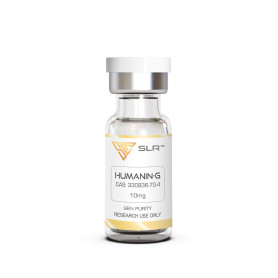
HUMANIN G - 10mg
€148.00
Tax excluded
IN-STOCK
favorite_border favorite
Humanin is a 24–amino acid mitochondrial-derived peptide in which each residue contributes to its biological activity. A key residue is serine at position 14, which is associated with neuroprotective properties. Substitution of this amino acid with glycine results in a more potent variant known as Humanin-G (HNG). Experimental research indicates that HNG exhibits substantially enhanced biological activity compared to native Humanin and is particularly effective in preserving mitochondrial function and cellular integrity under stress conditions. In preclinical and laboratory research settings, Humanin-G has been shown to support cellular survival by limiting mitochondrial dysfunction and reducing pathways associated with programmed cell death. These properties have generated scientific interest in its role within research models of ischemic injury, neurodegenerative processes such as Alzheimer’s disease, and other conditions linked to cellular stress. Based on experimental observations, Humanin-G has been associated with:  Protection against mitochondrial dysfunction in stressed cells Reduction of apoptosis-related cellular pathways Support of cellular longevity mechanisms in research models Modulation of insulin sensitivity in experimental systems Neuroprotective effects observed in models of ischemia and neurodegeneration
HUMANIN G - 10ml/10mg - Spray
€185.00
Tax excluded
IN-STOCK
favorite_border favorite
Humanin is a 24–amino acid mitochondrial-derived peptide in which each residue contributes to its biological activity. A key residue is serine at position 14, which is associated with neuroprotective properties. Substitution of this amino acid with glycine results in a more potent variant known as Humanin-G (HNG). Experimental research indicates that HNG exhibits substantially enhanced biological activity compared to native Humanin and is particularly effective in preserving mitochondrial function and cellular integrity under stress conditions. In preclinical and laboratory research settings, Humanin-G has been shown to support cellular survival by limiting mitochondrial dysfunction and reducing pathways associated with programmed cell death. These properties have generated scientific interest in its role within research models of ischemic injury, neurodegenerative processes such as Alzheimer’s disease, and other conditions linked to cellular stress. Based on experimental observations, Humanin-G has been associated with: Protection against mitochondrial dysfunction in stressed cells Reduction of apoptosis-related cellular pathways Support of cellular longevity mechanisms in research models Modulation of insulin sensitivity in experimental systems Neuroprotective effects observed in models of ischemia and neurodegeneration FRESHLY PREPARED SOLUTION 
ITPP (MYO-INOSITOL TRISPYROPHOSPHATE) - 1gr/5gr
€40.00
Tax excluded
IN-STOCK
favorite_border favorite
Myo-Inositol Trispyrophosphate Hexasodium Salt (ITPP) is a compound studied for its ability to influence oxygen delivery dynamics by modulating hemoglobin’s affinity for oxygen. This mechanism has been associated, in experimental settings, with changes in tissue oxygen availability and cellular metabolic processes. In preclinical and laboratory research, ITPP has been explored for its potential impact on metabolic efficiency, oxidative balance, and inflammatory pathways. Its interaction with oxygen-dependent systems has generated scientific interest in areas related to cellular energy metabolism, mitochondrial function, and tissue-level physiology. Additionally, ongoing research has investigated the broader implications of oxygen modulation in contexts such as aging processes, cellular stress response, and complex biological environments including those associated with neurodegenerative and proliferative conditions.
L-GLUTATHIONE - 10ml/500mg - Spray
€58.00
Tax excluded
IN-STOCK
favorite_border favorite
L-Glutathione is a naturally occurring tripeptide that has been extensively studied for its central role in cellular protection and metabolic balance. Research and experimental data indicate that L-Glutathione is associated with the following biological processes: Regulation of intracellular redox balance and antioxidant defenses Protection of cells from oxidative stress and reactive oxygen species Support of detoxification and cellular clearance pathways Modulation of immune and inflammatory signaling mechanisms Maintenance of mitochondrial function and cellular energy metabolism Preservation of protein structure and prevention of oxidative damage Involvement in cellular stress adaptation and aging-related processes FRESHLY PREPARED SOLUTION 
L-GLUTATHIONE - 500mg
€32.00
Tax excluded
IN-STOCK
favorite_border favorite
L-Glutathione is a naturally occurring tripeptide that has been extensively studied for its central role in cellular protection and metabolic balance. Research and experimental data indicate that L-Glutathione is associated with the following biological processes: Regulation of intracellular redox balance and antioxidant defenses Protection of cells from oxidative stress and reactive oxygen species Support of detoxification and cellular clearance pathways Modulation of immune and inflammatory signaling mechanisms Maintenance of mitochondrial function and cellular energy metabolism Preservation of protein structure and prevention of oxidative damage Involvement in cellular stress adaptation and aging-related processes
LIVAGEN - 10ml/100mg - Spray
€178.00
Tax excluded
IN-STOCK
favorite_border favorite
Livagen is a short bioregulatory peptide that has been investigated in experimental research for its influence on DNA organization and gene expression. It is primarily recognized for its association with chromatin decondensation, a process that increases DNA accessibility and has been linked to cellular profiles typically observed in younger cells. Scientific research has focused predominantly on immune system lymphocytes, where Livagen has been shown to modulate gene activity and cellular function. Through these mechanisms, Livagen has been studied for its involvement in biological processes related to immune regulation and signaling pathways associated with cardiovascular, gastrointestinal, neurological, and immune system function. Experimental findings have also explored Livagen’s role in nociception and pain-related signaling. Ongoing research continues to examine Livagen’s broader relevance in studies of aging, cellular senescence, and long-term biological regulation. FRESHLY PREPARED SOLUTION
LIVAGEN - 50mg
€135.00
Tax excluded
IN-STOCK
favorite_border favorite
Livagen is a short bioregulatory peptide that has been investigated in experimental research for its influence on DNA organization and gene expression. It is primarily recognized for its association with chromatin decondensation, a process that increases DNA accessibility and has been linked to cellular profiles typically observed in younger cells. Scientific research has focused predominantly on immune system lymphocytes, where Livagen has been shown to modulate gene activity and cellular function. Through these mechanisms, Livagen has been studied for its involvement in biological processes related to immune regulation and signaling pathways associated with cardiovascular, gastrointestinal, neurological, and immune system function. Experimental findings have also explored Livagen’s role in nociception and pain-related signaling. Ongoing research continues to examine Livagen’s broader relevance in studies of aging, cellular senescence, and long-term biological regulation.
MOTS-c - 40mg
€245.00
Tax excluded
IN-STOCK
favorite_border favorite
MOTS-c is a mitochondria-derived peptide that has been widely investigated in experimental and preclinical research for its role in metabolic regulation and cellular energy balance. Scientific studies have examined MOTS-c in relation to biological pathways associated with physical performance, metabolic homeostasis, age-related processes, and systemic cellular signaling. Research has primarily focused on MOTS-c in the context of the following areas: Muscle Metabolism: Studied for its association with glucose utilization, energy handling, and metabolic adaptation in skeletal muscle. Fat Metabolism: Investigated for its involvement in adipose tissue regulation, lipid utilization, and pathways related to energy expenditure. Insulin Sensitivity: Examined in research models addressing early metabolic changes and glucose regulation mechanisms. Bone Metabolism (Osteoporosis Research): Explored for its role in pathways related to osteoblast activity, collagen production, and bone integrity. Longevity Research: Studied in relation to mitochondrial signaling, aging-associated pathways, and lifespan-related genetic variants. Heart Health: Investigated for its association with endothelial function, vascular signaling, and cardiovascular stress responses.
NAD+ - 1000mg
€287.00
Tax excluded
IN-STOCK
favorite_border favorite
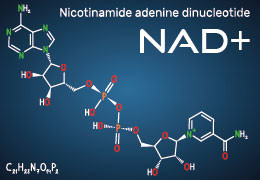
NAD⁺ (Nicotinamide Adenine Dinucleotide) is a central cellular coenzyme essential for mitochondrial energy production and redox balance. It plays a critical role in oxidative phosphorylation, ATP synthesis, and metabolic regulation. NAD⁺ also functions as a substrate for sirtuins and PARP enzymes, contributing to DNA repair, cellular stress resistance, and longevity-associated pathways. Due to its involvement in bioenergetics and cellular resilience, NAD⁺ is widely studied in mitochondrial function, metabolic regulation, and age-related biological processes
QK - 1mg
€85.00
Tax excluded
IN-STOCK
favorite_border favorite
QK is a synthetic peptide designed to mimic the activity of Vascular Endothelial Growth Factor (VEGF), one of the primary regulators of angiogenesis (the formation of new blood vessels). Unlike full-length VEGF, QK is a smaller and more stable molecule that retains the ability to bind endothelial receptors (particularly VEGFR-1), activating key biological pathways involved in vascular growth. Its primary effect is the stimulation of angiogenesis, through: endothelial cell proliferation and migration formation of new capillary structures improvement of microcirculation These properties make QK highly relevant in research related to: tissue regeneration wound healing ischemic conditions (reduced blood flow) endothelial function and vascular health In summary, QK is a targeted angiogenic mimetic, useful for studying controlled vascular growth in experimental settings, offering improved stability and control compared to natural VEGF.
RETA - 6mg
€150.00
Tax excluded
IN-STOCK
favorite_border favorite
Reta is a next-generation metabolic research peptide classified as a multi-receptor agonist designed to interact with GLP-related, GIP-associated, and glucagon-mediated signaling pathways. By targeting multiple receptor systems simultaneously, it has become a key subject of investigation in studies focused on integrative metabolic regulation, energy balance, and complex signaling networks. Its molecular structure has been engineered to enhance stability and albumin binding, supporting an extended activity profile and improved pharmacokinetic characteristics in research environments. Current research explores its role in multi-pathway signaling dynamics, systemic regulatory processes, and advanced metabolic communication mechanisms.
SEMA - 5mg
€140.00
Tax excluded
IN-STOCK
favorite_border favorite
SEMA is a synthetic metabolic research peptide belonging to a class of regulatory compounds associated with incretin-related signaling pathways. It is widely studied for its interaction with receptor-mediated mechanisms involved in glucose handling, energy balance, and systemic metabolic regulation. Research interest also extends to its role in broader signaling networks, including those associated with cardiovascular function and neuroendocrine communication, making it a key compound in modern metabolic research models.
SS-31 - 100mg
€340.00
Tax excluded
IN-STOCK
favorite_border favorite
SS-31 (Elamipretide) is a mitochondria-targeting peptide studied for its ability to bind cardiolipin in the inner mitochondrial membrane, stabilize mitochondrial structure, and support cellular energy production. Research suggests that SS-31 may reduce mitochondrial oxidative stress by limiting reactive oxygen species accumulation, improving mitochondrial bioenergetics, and supporting membrane integrity. It has also been investigated for its ability to modulate the mitochondrial permeability transition pore (mPTP), potentially reducing apoptosis-related signaling under stress. Due to these mechanisms, SS-31 has attracted attention in research involving neurodegenerative diseases, cardiovascular disorders, age-related mitochondrial decline, and retinal diseases such as diabetic retinopathy and age-related macular degeneration.
SS-31 - 10ml/100mg - Spray
€375.00
Tax excluded
IN-STOCK
favorite_border favorite
SS-31 (Elamipretide) is a mitochondria-targeting peptide studied for its ability to bind cardiolipin in the inner mitochondrial membrane, stabilize mitochondrial structure, and support cellular energy production. Research suggests that SS-31 may reduce mitochondrial oxidative stress by limiting reactive oxygen species accumulation, improving mitochondrial bioenergetics, and supporting membrane integrity. It has also been investigated for its ability to modulate the mitochondrial permeability transition pore (mPTP), potentially reducing apoptosis-related signaling under stress. Due to these mechanisms, SS-31 has attracted attention in research involving neurodegenerative diseases, cardiovascular disorders, age-related mitochondrial decline, and retinal diseases such as diabetic retinopathy and age-related macular degeneration. FRESHLY PREPARED SOLUTION 
TESAMORELIN - 10mg
€130.00
Tax excluded
IN-STOCK
favorite_border favorite
Tesamorelin is a synthetic Growth Hormone-Releasing Hormone (GHRH) analogue designed for improved stability and extended activity in human plasma. By activating pituitary GHRH receptors, it stimulates endogenous growth hormone release while maintaining physiological pulsatile secretion patterns. This leads to increased downstream IGF-1 production, supporting anabolic and metabolic regulation. Research suggests tesamorelin may reduce visceral adipose tissue, support lean muscle maintenance, and influence metabolic health. It has been extensively studied in HIV-associated lipodystrophy, where reductions in abdominal fat have been associated with improved body composition markers and potential improvements in lipid-related cardiovascular risk factors. Emerging research also suggests possible relevance in cognitive aging and neuroendocrine function, as GH and IGF-1 pathways contribute to synaptic plasticity and brain metabolism.
THYMOSIN B-4 FRAG - 10ml/60mg - Spray
€165.00
Tax excluded
IN-STOCK
favorite_border favorite
Thymosin Beta-4 Fragment is a short peptide derived from the active region of Thymosin Beta-4, commonly employed in preclinical research to investigate actin-regulated cell migration, angiogenesis, inflammatory modulation, and tissue remodeling mechanisms. In experimental models, it has been studied for its involvement in wound-related cellular dynamics, oxidative stress responses, and regeneration-associated signaling pathways. FRESHLY PREPARED SOLUTION 
THYMOSIN BETA-4 (43aa) - 10mg
€120.00
Tax excluded
IN-STOCK
favorite_border favorite
Thymosin Beta-4 (Tβ4), often associated with the peptide fragment TB-500 in research contexts, is a naturally occurring peptide involved in tissue repair, immune regulation, and cellular regeneration. Its primary mechanism is linked to actin-binding activity, supporting cytoskeletal remodeling and promoting cell migration essential for wound healing. Research suggests Tβ4 may stimulate angiogenesis, enhance collagen deposition, support keratinocyte and endothelial migration, and reduce inflammatory cytokine signaling through modulation of pathways such as NF-κB. It has been studied in experimental models of skin repair, corneal injury, dry eye conditions, cardiovascular remodeling after ischemic injury, systemic inflammation including sepsis models, neurological injury, autoimmune neuroinflammation, and musculoskeletal recovery. These properties make Tβ4 a major peptide of interest in regenerative biology and inflammation-related research.
TIRZ - 10mg
€180.00
Tax excluded
IN-STOCK
favorite_border favorite
Tirz is a synthetic dual-receptor metabolic research peptide designed to interact with GIP-associated and GLP-related signaling pathways. By targeting multiple incretin-associated receptor systems simultaneously, it has become a key subject of investigation in studies focused on metabolic regulation, energy balance, and coordinated signaling networks. Its multi-pathway activity supports research into integrative metabolic processes, cellular signaling dynamics, and system-wide regulatory mechanisms involved in nutrient-response and energy homeostasis.
TP508 - 1mg
€170.00
Tax excluded
IN-STOCK
favorite_border favorite
TP508 is a 23–amino acid investigational regenerative peptide derived from amino acids 508–530 of human prothrombin. It has been studied for its ability to stimulate tissue repair by reversing endothelial dysfunction, promoting angiogenesis and revascularization, attenuating inflammation, and reducing apoptosis. Human studies have reported improved healing of diabetic foot ulcers and distal radius fractures, while animal studies suggest TP508 may stimulate bone regeneration in critical-size defects. Emerging evidence indicates that TP508 may activate tissue-derived stem/progenitor cells, which may contribute to its broad regenerative effects. Additional research has explored TP508 in cardiovascular ischemia models, where it increased perfusion and restored nitric oxide signaling through eNOS activation. TP508 has also been investigated as a potential countermeasure for radiation-induced gastrointestinal injury due to its potential role in supporting intestinal stem cell regeneration.
VESUGEN - 10ml/100mg - Spray
€235.00
Tax excluded
IN-STOCK
favorite_border favorite
Vesugen is a short synthetic bioregulatory peptide investigated for its role in vascular and neurovascular regulation. It belongs to a class of organ-specific peptides studied for their potential capacity to modulate gene expression patterns associated with endothelial stability, metabolic regulation, and cellular stress resistance. Experimental models have explored its interaction with genes such as p16 and p21 (cell cycle regulation), as well as pathways linked to SIRT1 activity, which is widely associated with metabolic control, stress adaptation, and longevity-related signaling mechanisms. Within neurovascular research contexts, Vesugen has been examined for its potential role in maintaining microvascular integrity and supporting oxidative balance in neural tissues. Additional research has evaluated Vesugen in the context of endothelial gene expression, nitric oxide signaling balance, and vascular membrane stability. Modulation of endothelin-1 expression and reduction of oxidative vascular markers have been reported in controlled laboratory studies. Overall, Vesugen is characterized in scientific literature as a vascular bioregulatory peptide investigated for its potential epigenetic modulation of gene expression related to endothelial function, neurovascular stability, metabolic balance, and cellular aging pathways. FRESHLY PREPARED SOLUTION 
VESUGEN - 500mg
€780.00
Tax excluded
Developed Compound ✦ Limited Stock Available
favorite_border favorite
Vesugen is a short synthetic bioregulatory peptide investigated for its role in vascular and neurovascular regulation. It belongs to a class of organ-specific peptides studied for their potential capacity to modulate gene expression patterns associated with endothelial stability, metabolic regulation, and cellular stress resistance. Experimental models have explored its interaction with genes such as p16 and p21 (cell cycle regulation), as well as pathways linked to SIRT1 activity, which is widely associated with metabolic control, stress adaptation, and longevity-related signaling mechanisms. Within neurovascular research contexts, Vesugen has been examined for its potential role in maintaining microvascular integrity and supporting oxidative balance in neural tissues. Additional research has evaluated Vesugen in the context of endothelial gene expression, nitric oxide signaling balance, and vascular membrane stability. Modulation of endothelin-1 expression and reduction of oxidative vascular markers have been reported in controlled laboratory studies. Overall, Vesugen is characterized in scientific literature as a vascular bioregulatory peptide investigated for its potential epigenetic modulation of gene expression related to endothelial function, neurovascular stability, metabolic balance, and cellular aging pathways.
VESUGEN -100mg
€185.00
Tax excluded
IN-STOCK
favorite_border favorite
Vesugen is a short synthetic bioregulatory peptide investigated for its role in vascular and neurovascular regulation. It belongs to a class of organ-specific peptides studied for their potential capacity to modulate gene expression patterns associated with endothelial stability, metabolic regulation, and cellular stress resistance. Experimental models have explored its interaction with genes such as p16 and p21 (cell cycle regulation), as well as pathways linked to SIRT1 activity, which is widely associated with metabolic control, stress adaptation, and longevity-related signaling mechanisms. Within neurovascular research contexts, Vesugen has been examined for its potential role in maintaining microvascular integrity and supporting oxidative balance in neural tissues. Additional research has evaluated Vesugen in the context of endothelial gene expression, nitric oxide signaling balance, and vascular membrane stability. Modulation of endothelin-1 expression and reduction of oxidative vascular markers have been reported in controlled laboratory studies. Overall, Vesugen is characterized in scientific literature as a vascular bioregulatory peptide investigated for its potential epigenetic modulation of gene expression related to endothelial function, neurovascular stability, metabolic balance, and cellular aging pathways.
VIP - VASOACTIVE INTESTINAL PEPTIDE - 6 mg
€70.00
Tax excluded
IN-STOCK
favorite_border favorite
VIP (Vasoactive Intestinal Peptide) is a 28–amino acid neuropeptide of the secretin–glucagon family, widely expressed in the brain, gastrointestinal tract, pancreas, lungs, heart, thyroid, adrenal glands, and thymus. It acts through the GPCR receptors VPAC1 and VPAC2, activating cAMP-related signaling pathways that regulate vascular tone, immune balance, secretion mechanisms, and neuronal survival. Research suggests VIP has neuroprotective and neurotrophic properties, supporting blood–brain barrier integrity, reducing oxidative stress, and modulating neuroinflammation, with relevance in neurodegenerative models such as Alzheimer’s and Parkinson’s disease. VIP also regulates circadian rhythm via hypothalamic signaling, supports gastrointestinal motility and barrier integrity, and has immunomodulatory effects by reducing pro-inflammatory cytokines and promoting immune tolerance. Additional studies indicate antifibrotic and vasodilatory activity relevant to cardiovascular and pulmonary disease models, as well as potential relevance in transplantation tolerance research and lacrimal secretion regulation in dry eye-related conditions.
α-Klotho - 25µg
€290.00
Tax excluded
IN-STOCK
favorite_border favorite
α-Klotho is a transmembrane and soluble endocrine protein first identified in 1997 and now widely recognized as a key candidate in aging biology. It is expressed predominantly in the kidney and choroid plexus of the brain, and its soluble form circulates in blood, urine, and cerebrospinal fluid. Membrane α-Klotho functions as an essential co-receptor for FGF23, regulating phosphate and vitamin D metabolism. Soluble α-Klotho is studied for its broader endocrine-like effects, including modulation of oxidative stress responses, inflammatory signaling, IGF-1 and mTOR pathways, and Wnt-associated tissue remodeling. Experimental models show that Klotho deficiency is linked to accelerated aging-like phenotypes such as vascular dysfunction, sarcopenia, cognitive decline, cardiac fibrosis, and osteopenia, while elevated Klotho expression is associated with improved cognition, delayed vascular aging, enhanced muscle regeneration, and increased lifespan. Due to its connection with senescence biology, SASP-driven inflammation, kidney decline, and neurodegenerative processes, α-Klotho remains a central molecule in research focused on longevity, metabolic regulation, and systemic resilience.