Best sellers

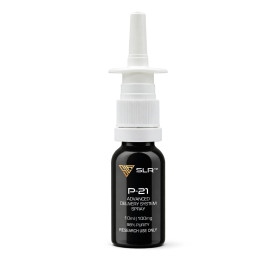
P-21 - 10ml/100mg - Spray
€435.00
Tax excluded
IN-STOCK
favorite_border favorite
Our Commitment to Analytical Transparency Whenever available, our third-party Certificates of Analysis (COAs) include: - HPLC purity testing - Mass Spectrometry (MS) identity confirmation - Net Peptide Content (NPC) analysis We believe that Net Peptide Content analysis is particularly important for evaluating the actual amount of peptide present, taking into account residual moisture, counterions, and other non-peptide components.Research indicates that P21 is associated with increased levels of brain-derived neurotrophic factor (BDNF), a key molecule involved in neuronal development and synaptic plasticity. BDNF is linked to enhanced neurogenesis and has been shown in experimental models to modulate biological pathways related to amyloid plaque and tau protein formation, both of which are characteristic features of Alzheimer’s disease pathology. In addition, multiple studies suggest that P21 supports learning processes and cognitive performance by promoting neuroplastic mechanisms and maintaining synaptic function in the central nervous system. FRESHLY PREPARED SOLUTION
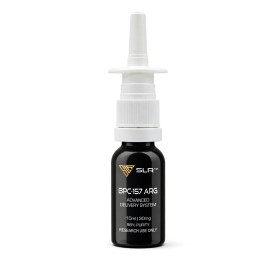
BPC-157 ARG - 10ml/30mg - Spray
€148.00
Tax excluded
IN-STOCK
favorite_border favorite
BPC-157 is a 15-amino-acid synthetic peptide used in preclinical research models to investigate cellular repair mechanisms, extracellular matrix dynamics, vascular signaling, and tissue stress responses. In in vitro systems and animal studies, BPC-157 has been explored for its involvement in pathways related to fibroblast activity, angiogenesis, nitric oxide-associated signaling, coagulation-related processes, immune modulation, and gene expression regulation under experimental conditions. FRESHLY PREPARED SOLUTION 
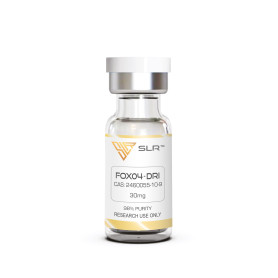
FOX04 - DRI - 30mg
€379.00
Tax excluded
IN-STOCK
favorite_border favorite
FOXO4-DRI is a research peptide investigated for its ability to selectively interact with cellular pathways associated with senescence. Preclinical studies suggest that modulation of senescent cell populations may support improvements in biological function and tissue-level homeostasis in experimental models of aging.  According to experimental and preclinical research observations, FOXO4-DRI has been associated with the following effects: Selective induction of apoptosis in senescent cells in laboratory models Improvement of physical performance parameters in aging animal studies Support of tissue and organ function markers in preclinical research Contribution to the restoration of tissue homeostasis under experimental conditions      
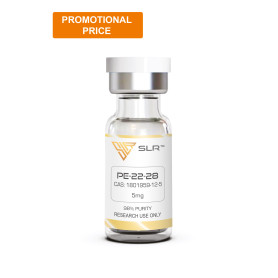
PE-22-28 - 5mg
€29.00
Tax excluded
Promotional price while stocks last
favorite_border favorite
PE-22-28 is a synthetic derivative of the naturally occurring peptide spadin that targets the TREK-1 channel. Since TREK-1 is found in brain regions that govern mood, memory, and learning, PE-22-28 was designed with the goal of being a potential treatment candidate for depression and a powerful stimulator of neurogenesis and synaptogenesis in the hippocampus. PE-22-28 is currently being researched for several applications, including: Antidepressant activity Enhancement of memory and learning Support for stroke recovery Potential roles in addressing neurodegenerative diseases such as Alzheimer’s Promotion of neurogenesis
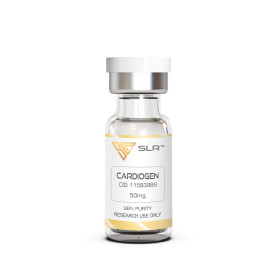
CARDIOGEN - 50mg
€146.00
Tax excluded
IN-STOCK
favorite_border favorite
Cardiogen is a short synthetic peptide used in preclinical research models to study fibroblast-associated signaling and tissue remodeling mechanisms. In in vitro systems and animal studies, it has been investigated for its role in regulating cellular processes involved in extracellular matrix organization and scar-related responses under experimental conditions.
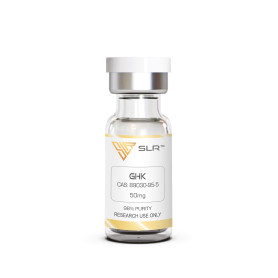
GHK - 50mg, 100mg
€56.00
Tax excluded
IN-STOCK
favorite_border favorite
GHK is a naturally occurring tripeptide that has been widely investigated in experimental and laboratory research for its involvement in multiple biological processes. Scientific studies suggest that GHK is associated with the following research-observed activities: Support of tissue repair processes: Linked to collagen-related pathways and cellular mechanisms involved in wound repair and tissue maintenance. Modulation of fibrinogen-related pathways: Associated with inflammatory signaling regulation and vascular biology mechanisms in experimental models. Activation of DNA repair–related gene networks: Observed to influence pathways connected to genomic stability and cellular maintenance. Engagement of the ubiquitin/proteasome system: Studied for its role in supporting protein quality control and cellular homeostasis. Influence on insulin and insulin-like signaling pathways: Associated with metabolic regulation mechanisms in gene expression studies. Collectively, these properties make GHK a molecule of interest in research areas such as cardiovascular biology, aging mechanisms, metabolic regulation, and tissue regeneration. 
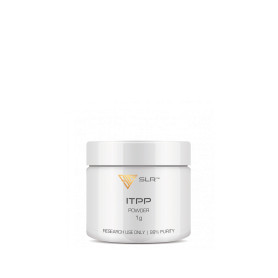
ITPP (MYO-INOSITOL TRISPYROPHOSPHATE) - 1gr/5gr
€40.00
Tax excluded
IN-STOCK
favorite_border favorite
Myo-Inositol Trispyrophosphate Hexasodium Salt (ITPP) is a compound studied for its ability to influence oxygen delivery dynamics by modulating hemoglobin’s affinity for oxygen. This mechanism has been associated, in experimental settings, with changes in tissue oxygen availability and cellular metabolic processes. In preclinical and laboratory research, ITPP has been explored for its potential impact on metabolic efficiency, oxidative balance, and inflammatory pathways. Its interaction with oxygen-dependent systems has generated scientific interest in areas related to cellular energy metabolism, mitochondrial function, and tissue-level physiology. Additionally, ongoing research has investigated the broader implications of oxygen modulation in contexts such as aging processes, cellular stress response, and complex biological environments including those associated with neurodegenerative and proliferative conditions.
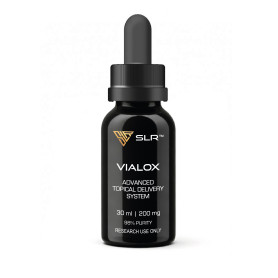
VIALOX - 30ml/200mg
€160.00
Tax excluded
IN-STOCK
favorite_border favorite
Vialox is a synthetic pentapeptide investigated in cosmetic research for its interaction with peripheral nicotinic acetylcholine receptors involved in superficial neuromuscular signaling. Facial expression–related micro-contractions generate repetitive mechanical stress on the overlying dermal matrix, contributing over time to the formation of dynamic wrinkles. By modulating acetylcholine receptor–mediated signaling at the neuromuscular interface, Vialox has been studied for its potential to reduce contraction amplitude in superficial expression muscles. Decreased mechanical strain may support improved skin surface smoothness, reduced fine-line visibility, and more balanced dermal tension distribution. Rather than acting through volumizing or structural filling mechanisms, this peptide is investigated within the biomechanical modulation domain of skin aging research, focusing on expression-related wrinkle dynamics and mechanical stress regulation. FRESHLY PREPARED SOLUTION
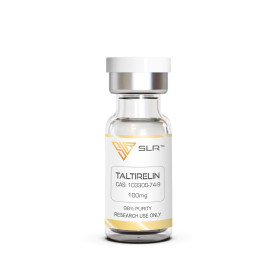
TALTIRELIN - 10mg, 100mg
€60.00
Tax excluded
IN-STOCK
favorite_border favorite
Taltirelin is a synthetic TRH analogue studied primarily for its effects in spinocerebellar degeneration and related motor coordination disorders. Acting as a biased superagonist at TRH-R1, it influences central neurotransmission and has been investigated for neuroprotective, anti-ataxic, and pro-cognitive effects. Research suggests taltirelin may modulate multiple neurotransmitter systems, including acetylcholine, dopamine, serotonin, and noradrenaline, contributing to interest in its potential relevance for memory impairment, depressive-like conditions, arousal regulation, and fatigue-related disorders. Additional studies have explored its antinociceptive properties and possible effects on neurite outgrowth and spinal cord-related neural recovery, making it a notable peptide in experimental research involving neurodegeneration, cognition, and neurological resilience.
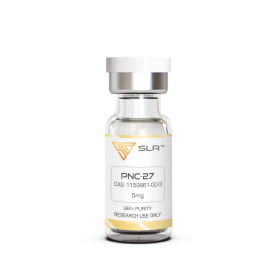
PNC-27 - 5mg
€58.00
Tax excluded
IN-STOCK
favorite_border favorite
PNC-27 is a synthetic research peptide studied for its selective activity against malignant cells. It is designed to bind to HDM-2, a protein that is abnormally expressed on the membranes of many cancer cells and is known to interact with the p53 tumor suppressor pathway. Experimental research indicates that PNC-27 can selectively induce cancer cell death by disrupting the integrity of the cancer cell membrane through a process known as membranolysis, while showing minimal interaction with non-cancerous cells.
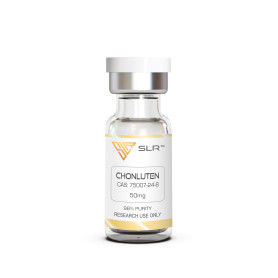
CHONLUTEN - 50mg
€109.00
Tax excluded
IN-STOCK
favorite_border favorite
Chonluten has been explored in relation to the regulation of pulmonary mucosa, gene networks involved in inflammatory and antioxidant processes, and tissue adaptation mechanisms across a broad range of acute and chronic respiratory and systemic stress conditions, of both infectious and non-infectious origin, including age-associated functional decline. Experimental findings indicate a predominant activity within pulmonary tissue, with secondary involvement observed in the gastrointestinal tract. Specifically, Chonluten has been studied in preclinical research contexts involving: post-infectious pulmonary recovery states chronic cardiopulmonary functional impairment persistent respiratory dysfunction recovery phases following prolonged mechanical ventilation long-term pulmonary adaptation after remission of granulomatous conditions acute respiratory distress and hypoxia-associated states high physiological load and exercise-related respiratory stress maintenance of respiratory function in ageing biological systems inflammation-driven pulmonary mucosal dysregulation inflammatory states and alterations of the gastrointestinal mucosa
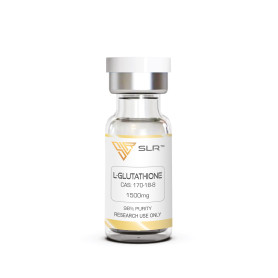
L-GLUTATHIONE - 1500mg
€38.00
Tax excluded
IN-STOCK
favorite_border favorite
L-Glutathione is a naturally occurring tripeptide that has been extensively studied for its central role in cellular protection and metabolic balance. Research and experimental data indicate that L-Glutathione is associated with the following biological processes: Regulation of intracellular redox balance and antioxidant defenses Protection of cells from oxidative stress and reactive oxygen species Support of detoxification and cellular clearance pathways Modulation of immune and inflammatory signaling mechanisms Maintenance of mitochondrial function and cellular energy metabolism Preservation of protein structure and prevention of oxidative damage Involvement in cellular stress adaptation and aging-related processes
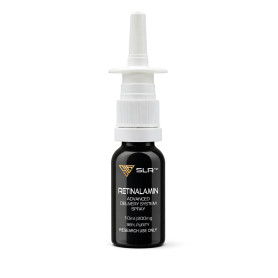
RETINALAMIN - 10ml/200mg - Spray
€290.00
Tax excluded
IN-STOCK
favorite_border favorite
Research suggests that Retinalamin is of interest in ophthalmology and retinal-support research due to its potential role in supporting retinal tissue function, microcirculation, and recovery mechanisms under conditions of degeneration or vascular stress. Studies indicate that it may be relevant in a range of retinal and vision-related disorders, including diabetic retinopathy, myopic disease, retinitis pigmentosa, age-related macular degeneration (AMD), chorioretinitis, primary open-angle glaucoma, and other eye diseases associated with impaired retinal performance and progressive vision decline. FRESHLY PREPARED SOLUTION
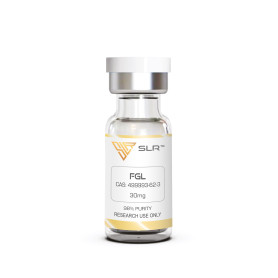
FGL - 30mg
€189.00
Tax excluded
IN-STOCK
favorite_border favorite
FGL has been investigated in experimental and preclinical research settings for its role in supporting synapse formation between neurons, a process associated with synaptic plasticity and structural neuronal adaptation. Increased activity-dependent synaptic communication observed in research models suggests that FGL may contribute to information encoding mechanisms underlying learning and memory-related processes. According to experimental studies, FGL has been explored in relation to the following neurobiological contexts: Neuroprotective mechanisms in neuronal stress models Modulation of cognitive performance parameters in experimental systems Neural recovery and adaptation following traumatic brain injury models Protection against experimentally induced neurotoxic stress Memory-related processes in learning paradigms Learning-associated synaptic plasticity mechanisms Neurodegenerative and cognitive decline research models Modulation of neuroinflammatory signaling in central nervous system models Regulation of mood-related behavioral parameters in experimental settings Activity-dependent enhancement of excitatory synaptic transmission      
VIP - VASOACTIVE INTESTINAL PEPTIDE - 6 mg
€59.00
Tax excluded
IN-STOCK
favorite_border favorite
VIP (Vasoactive Intestinal Peptide) is a 28–amino acid neuropeptide of the secretin–glucagon family, widely expressed in the brain, gastrointestinal tract, pancreas, lungs, heart, thyroid, adrenal glands, and thymus. It acts through the GPCR receptors VPAC1 and VPAC2, activating cAMP-related signaling pathways that regulate vascular tone, immune balance, secretion mechanisms, and neuronal survival. Research suggests VIP has neuroprotective and neurotrophic properties, supporting blood–brain barrier integrity, reducing oxidative stress, and modulating neuroinflammation, with relevance in neurodegenerative models such as Alzheimer’s and Parkinson’s disease. VIP also regulates circadian rhythm via hypothalamic signaling, supports gastrointestinal motility and barrier integrity, and has immunomodulatory effects by reducing pro-inflammatory cytokines and promoting immune tolerance. Additional studies indicate antifibrotic and vasodilatory activity relevant to cardiovascular and pulmonary disease models, as well as potential relevance in transplantation tolerance research and lacrimal secretion regulation in dry eye-related conditions.
VESUGEN -100mg
€185.00
Tax excluded
IN-STOCK
favorite_border favorite
Vesugen is a short synthetic bioregulatory peptide investigated for its role in vascular and neurovascular regulation. It belongs to a class of organ-specific peptides studied for their potential capacity to modulate gene expression patterns associated with endothelial stability, metabolic regulation, and cellular stress resistance. Experimental models have explored its interaction with genes such as p16 and p21 (cell cycle regulation), as well as pathways linked to SIRT1 activity, which is widely associated with metabolic control, stress adaptation, and longevity-related signaling mechanisms. Within neurovascular research contexts, Vesugen has been examined for its potential role in maintaining microvascular integrity and supporting oxidative balance in neural tissues. Additional research has evaluated Vesugen in the context of endothelial gene expression, nitric oxide signaling balance, and vascular membrane stability. Modulation of endothelin-1 expression and reduction of oxidative vascular markers have been reported in controlled laboratory studies. Overall, Vesugen is characterized in scientific literature as a vascular bioregulatory peptide investigated for its potential epigenetic modulation of gene expression related to endothelial function, neurovascular stability, metabolic balance, and cellular aging pathways.
VILON - 50 mg
€120.00
Tax excluded
IN-STOCK
favorite_border favorite
Vilon is a thymus-derived bioregulatory peptide commonly described as the dipeptide Lys–Glu (KE). It is studied for its potential immune-modulating effects, particularly in the context of thymus-related immune function and T-cell regulation. Research suggests Vilon may support immune cell differentiation, normalize cytokine signaling, and contribute to immune homeostasis. These properties make it relevant in studies involving immunosenescence, age-related immune decline, chronic inflammation, infection susceptibility, and immune dysfunction. By supporting balanced immune regulation rather than excessive stimulation, Vilon has become a peptide of interest in research focused on immune resilience, systemic vitality, and longevity-related immune restoration.
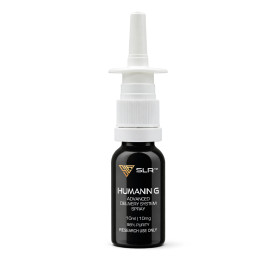
HUMANIN G - 10ml/10mg - Spray
€158.00
Tax excluded
IN-STOCK
favorite_border favorite
Humanin is a 24–amino acid mitochondrial-derived peptide in which each residue contributes to its biological activity. A key residue is serine at position 14, which is associated with neuroprotective properties. Substitution of this amino acid with glycine results in a more potent variant known as Humanin-G (HNG). Experimental research indicates that HNG exhibits substantially enhanced biological activity compared to native Humanin and is particularly effective in preserving mitochondrial function and cellular integrity under stress conditions. In preclinical and laboratory research settings, Humanin-G has been shown to support cellular survival by limiting mitochondrial dysfunction and reducing pathways associated with programmed cell death. These properties have generated scientific interest in its role within research models of ischemic injury, neurodegenerative processes such as Alzheimer’s disease, and other conditions linked to cellular stress. Based on experimental observations, Humanin-G has been associated with: Protection against mitochondrial dysfunction in stressed cells Reduction of apoptosis-related cellular pathways Support of cellular longevity mechanisms in research models Modulation of insulin sensitivity in experimental systems Neuroprotective effects observed in models of ischemia and neurodegeneration FRESHLY PREPARED SOLUTION 
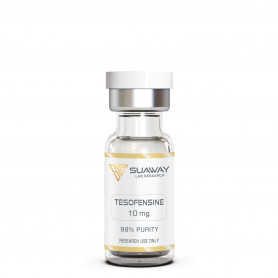
TESOFENSINE 10mg
€70.00
Tax excluded
IN-STOCK
favorite_border favorite
Tesofensine significantly supports weight loss, body fat reduction, and appetite reduction. It increases an individual's resting energy expenditure by stimulating the fat oxidation process. Below are its main effects: - Reduced body fat / Weight loss - Appetite suppression - Improved libido - Better sleep quality - Improved cognitive function
GHK + DAC - 100mg
€265.00
Tax excluded
IN-STOCK
favorite_border favorite
GHK with DAC is a modified form of the naturally occurring tripeptide GHK that has been engineered to enhance stability and prolong its persistence in experimental systems. Like native GHK, it has been widely investigated in laboratory and preclinical research for its involvement in multiple biological processes. Scientific studies suggest that GHK is associated with the following research-observed activities: Support of tissue repair processes Modulation of fibrinogen-related pathways Activation of DNA repair–related gene networks Engagement of the ubiquitin/proteasome system Influence on insulin and insulin-like signaling pathways. The addition of DAC (Drug Affinity Complex or stabilizing moiety) is designed to enhance resistance to enzymatic degradation and extend the duration of peptide activity in experimental conditions. This modification may allow for more sustained interaction with biological systems, supporting improved observation of time-dependent and cumulative effects in research models. Collectively, these properties make GHK with DAC a molecule of interest in research areas such as tissue regeneration, aging mechanisms, metabolic regulation, and cellular homeostasis, particularly in experimental settings where prolonged peptide exposure is required.
KPV - 10ml/100mg - Spray
€279.00
Tax excluded
IN-STOCK
favorite_border favorite
KPV is a short peptide that has been extensively investigated in experimental models for its role in the modulation of inflammatory responses. Current research has focused primarily on its involvement in studies related to inflammatory bowel disease. Additional studies in wound-healing models suggest that KPV, along with other α-MSH–derived peptides, may influence tissue repair processes, inflammatory regulation, microbial control, and structural outcomes associated with healing. According to experimental and preclinical research, KPV has been studied in relation to:Inflammatory mechanisms associated with acne and cystic acneIntestinal inflammatory signaling in Crohn’s disease research modelsExperimental models of ulcerative colitis and irritable bowel syndromeInflammatory skin conditions such as eczema and psoriasisImmune and inflammatory responses explored in mold- and Lyme-related modelsNeuroinflammatory pathways investigated in multiple sclerosis researchInflammatory conditions affecting skin and ocular tissuesAirway inflammation examined in allergic asthma modelsJoint inflammation studied in arthritis-related research
KCF-18 - 10mg
€124.00
Tax excluded
IN-STOCK
favorite_border favorite
Research and experimental studies indicate that KCF-18 is associated with the following characteristics and biological activities: Interaction with multiple pro-inflammatory cytokine pathways, including TNF-α, IL-1β, and IL-6 Functioning as a cytokine-binding decoy in experimental models Modulation of inflammatory signaling involved in vascular and endothelial processes Influence on immune cell adhesion and transmigration in laboratory settings Potential role in the regulation of immune response signaling Structural design that supports interaction with multiple cytokine-related targets
GDF-8 – 1mg
€90.00
Tax excluded
IN-STOCK
favorite_border favorite
GDF-8 is involved in the regulation of myostatin activity, a key biological factor that normally limits muscle growth and regeneration. Experimental and preclinical research indicates that modulation of this pathway influences muscle and tissue dynamics associated with repair and adaptation. According to research-based observations, GDF-8 has been associated with the following effects: Enhancement of muscular regeneration and recovery processes following injury Support of the body’s regenerative capacity at the tissue level Increase in myofiber hypertrophy in experimental models
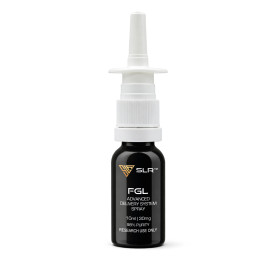
FGL - 10ml/30mg - Spray
€228.00
Tax excluded
IN-STOCK
favorite_border favorite
FGL has been investigated in experimental and preclinical research settings for its role in supporting synapse formation between neurons, a process associated with synaptic plasticity and structural neuronal adaptation. Increased activity-dependent synaptic communication observed in research models suggests that FGL may contribute to information encoding mechanisms underlying learning and memory-related processes. According to experimental studies, FGL has been explored in relation to the following neurobiological contexts: Neuroprotective mechanisms in neuronal stress models Modulation of cognitive performance parameters in experimental systems Neural recovery and adaptation following traumatic brain injury models Protection against experimentally induced neurotoxic stress Memory-related processes in learning paradigms Learning-associated synaptic plasticity mechanisms Neurodegenerative and cognitive decline research models Modulation of neuroinflammatory signaling in central nervous system models Regulation of mood-related behavioral parameters in experimental settings Activity-dependent enhancement of excitatory synaptic transmission    FRESHLY PREPARED SOLUTION