Best sellers

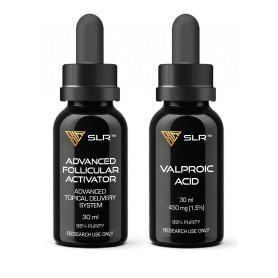
ADVANCED FOLLICULAR ACTIVATOR - 30ml + 30ml
€329.00
Tax excluded
IN-STOCK
favorite_border favorite
Advanced Follicular Activator is a structured multi-domain research formulation designed to address the complex biological architecture underlying follicular cycling dynamics. Rather than functioning as a single-pathway stimulant, the system integrates extracellular matrix stabilization, microvascular support, cytoskeletal adaptability, immune equilibrium modulation, and controlled Wnt/β-catenin pathway permissiveness. The primary formulation combines GHK-Cu, BPC-157 arginate, Thymosin Beta-4 fragment, Zinc–Thymulin, and PTD-DBM within a proprietary carrier system engineered for membrane interaction and controlled diffusion behavior. A secondary amplification module containing 1.5% Valproic Acid provides optional pathway reinforcement through GSK3β modulation and β-catenin stabilization under structured research conditions. This layered architecture is constructed to recalibrate the follicular microenvironment rather than impose isolated growth-factor mimicry or hormonal suppression. The formulation reflects a systems-based research model aligned with contemporary understanding of follicular signaling networks, structural integrity maintenance, and pathway permissiveness dynamics. FRESHLY PREPARED SOLUTION
SS-31 - 100mg
€250.00
Tax excluded
IN-STOCK
favorite_border favorite
SS-31 (Elamipretide) is a mitochondria-targeting peptide studied for its ability to bind cardiolipin in the inner mitochondrial membrane, stabilize mitochondrial structure, and support cellular energy production. Research suggests that SS-31 may reduce mitochondrial oxidative stress by limiting reactive oxygen species accumulation, improving mitochondrial bioenergetics, and supporting membrane integrity. It has also been investigated for its ability to modulate the mitochondrial permeability transition pore (mPTP), potentially reducing apoptosis-related signaling under stress. Due to these mechanisms, SS-31 has attracted attention in research involving neurodegenerative diseases, cardiovascular disorders, age-related mitochondrial decline, and retinal diseases such as diabetic retinopathy and age-related macular degeneration.
LIVAGEN - 50mg
€129.00
Tax excluded
IN-STOCK
favorite_border favorite
Livagen is a short bioregulatory peptide that has been investigated in experimental research for its influence on DNA organization and gene expression. It is primarily recognized for its association with chromatin decondensation, a process that increases DNA accessibility and has been linked to cellular profiles typically observed in younger cells. Scientific research has focused predominantly on immune system lymphocytes, where Livagen has been shown to modulate gene activity and cellular function. Through these mechanisms, Livagen has been studied for its involvement in biological processes related to immune regulation and signaling pathways associated with cardiovascular, gastrointestinal, neurological, and immune system function. Experimental findings have also explored Livagen’s role in nociception and pain-related signaling. Ongoing research continues to examine Livagen’s broader relevance in studies of aging, cellular senescence, and long-term biological regulation.
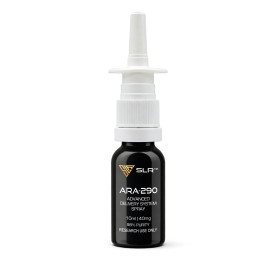
ARA-290 - 10ml/40mg - Spray
€138.00
Tax excluded
IN-STOCK
favorite_border favorite
ARA-290 has been investigated in preclinical and experimental research models designed to study inflammatory, metabolic, vascular, and neurobiological mechanisms relevant to the following disease-related research contexts: Cardiovascular-related experimental modelsRetinal ischemia and microvascular injury models Peripheral nerve injury and neuropathy models Small fiber nerve degeneration models Chronic inflammatory joint disease models Renal inflammation and metabolic stress models Hepatic lipid accumulation and inflammatory liver models Intestinal inflammation models Systemic autoimmune and immune dysregulation models Wound healing and tissue repair models  FRESHLY PREPARED SOLUTION 
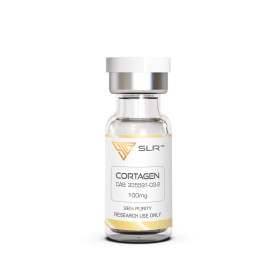
CORTAGEN -100mg
€189.00
Tax excluded
IN-STOCK
favorite_border favorite
Cortagen has been investigated in preclinical and exploratory research settings for its potential involvement in brain reparative processes, cerebroprotective responses, and nootropic-like activity, within experimental models of cerebral stress and degeneration. Research literature has explored Cortagen in relation to the following neurobiological contexts: Cerebral lesion and injury models Neurodegenerative and dementing process models, including protein-aggregation and vascular-associated degeneration Extrapyramidal and movement-disorder research models Spinal and cerebellar system dysfunction models Central nervous system involvement in immune-mediated and inflammatory conditions Motor impairment and hemiplegia-related models Paralytic and neuromuscular dysfunction models Cerebral involvement in bacterial meningeal inflammation models Hemorrhagic cerebral stress models Transient and persistent cerebral ischemia models 
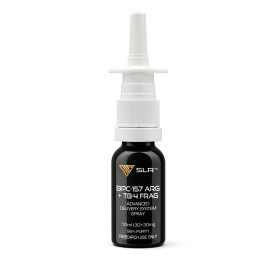
BPC-157 ARG + TB-4 FRAG - 10ml/30mg + 30mg - Spray
€149.00
Tax excluded
IN-STOCK
favorite_border favorite
BPC-157 is a 15-amino-acid synthetic peptide used in preclinical research models to investigate cellular repair mechanisms, extracellular matrix dynamics, vascular signaling, and tissue stress responses. In in vitro systems and animal studies, BPC-157 has been explored for its involvement in pathways related to fibroblast activity, angiogenesis, nitric oxide-associated signaling, coagulation-related processes, immune modulation, and gene expression regulation under experimental conditions. Thymosin Beta-4 Fragment is a short peptide derived from the active region of Thymosin Beta-4, commonly employed in preclinical research to investigate actin-regulated cell migration, angiogenesis, inflammatory modulation, and tissue remodeling mechanisms. In experimental models, it has been studied for its involvement in wound-related cellular dynamics, oxidative stress responses, and regeneration-associated signaling pathways. FRESHLY PREPARED SOLUTION 
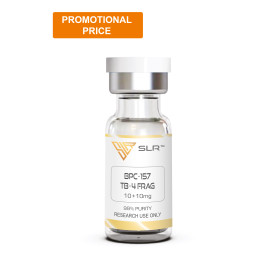
BPC-157 + TB-4 FRAG - 10+10mg, 30+30mg
€49.00
Tax excluded
Promotional price while stocks last.
favorite_border favorite
BPC-157 is a 15-amino-acid synthetic peptide used in preclinical research models to investigate cellular repair mechanisms, extracellular matrix dynamics, vascular signaling, and tissue stress responses. In in vitro systems and animal studies, BPC-157 has been explored for its involvement in pathways related to fibroblast activity, angiogenesis, nitric oxide-associated signaling, coagulation-related processes, immune modulation, and gene expression regulation under experimental conditions. Thymosin Beta-4 Fragment is a short peptide derived from the active region of Thymosin Beta-4, commonly employed in preclinical research to investigate actin-regulated cell migration, angiogenesis, inflammatory modulation, and tissue remodeling mechanisms. In experimental models, it has been studied for its involvement in wound-related cellular dynamics, oxidative stress responses, and regeneration-associated signaling pathways.
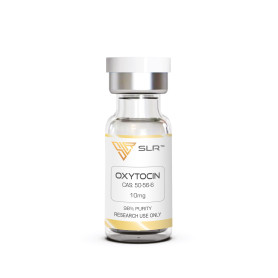
OXYTOCIN - 10mg
€34.00
Tax excluded
IN-STOCK
favorite_border favorite
Oxytocin is a multifunctional peptide hormone and neuropeptide involved in a wide range of physiological and psychological processes. Synthesized in the hypothalamus and released by the posterior pituitary gland, it acts both peripherally and within the central nervous system. Research has associated oxytocin with the following effects:Exhibits anti-inflammatory properties that support wound healing and tissue regenerationEnhances trust, empathy, and social recognition involved in interpersonal bondingImproves recognition of emotional expressions, supporting effective social communicationModulates neurotransmitter systems such as dopamine and serotonin, contributing to mood balance and stress reductionHas been investigated for potential roles in reducing symptoms associated with anxiety and depressive statesContributes to sexual receptivity and reproductive behaviors in both men and womenReduces activity of the amygdala, which is associated with fear and anxiety responsesInduces uterine contractions during labor and mediates milk ejection during breastfeeding
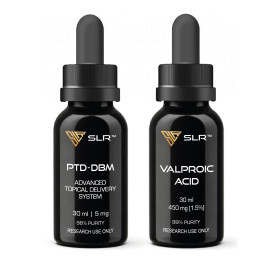
PTD-DBM + VALPROIC ACID - 30ml /5mg + 30ml/450mg
€120.00
Tax excluded
IN-STOCK
favorite_border favorite
PTD-DBM + Valproic Acid is a research-oriented topical formulation designed to modulate intracellular signaling mechanisms associated with hair follicle biology. PTD-DBM (Protein Transduction Domain – Dishevelled Binding Motif) is a synthetic chimeric peptide developed to interfere with the inhibitory interaction between CXXC5 and Dishevelled (Dvl), a regulatory checkpoint within the Wnt/β-catenin signaling pathway. By reducing this inhibitory binding, PTD-DBM supports restoration of physiological Wnt pathway dynamics under experimental conditions. Valproic Acid (1.5%) acts as a complementary signaling modulator. Through inhibition of GSK3β and associated intracellular pathways, it contributes to β-catenin stabilization and supports downstream signaling activity. The combined formulation is structured to provide multi-layer modulation of follicular signaling networks, addressing both inhibitory feedback control (CXXC5–Dvl interaction) and β-catenin stabilization mechanisms. In preclinical research models, co-modulation of these pathways has been associated with: Enhanced dermal papilla signaling activity Promotion of anagen-associated markers Increased β-catenin pathway activity Support of follicular regenerative signaling dynamics FRESHLY PREPARED SOLUTION
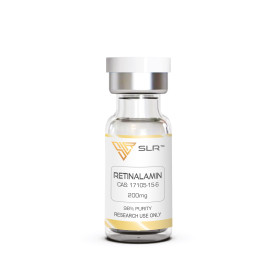
RETINALAMIN - 200 mg
€259.00
Tax excluded
IN-STOCK
favorite_border favorite
Research suggests that Retinalamin is of interest in ophthalmology and retinal-support research due to its potential role in supporting retinal tissue function, microcirculation, and recovery mechanisms under conditions of degeneration or vascular stress. Studies indicate that it may be relevant in a range of retinal and vision-related disorders, including diabetic retinopathy, myopic disease, retinitis pigmentosa, age-related macular degeneration (AMD), chorioretinitis, primary open-angle glaucoma, and other eye diseases associated with impaired retinal performance and progressive vision decline.
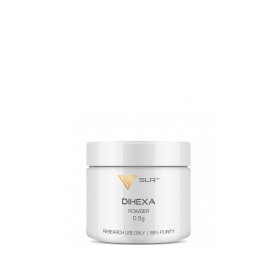
DIHEXA - 0,5g, 1g
€129.00
Tax excluded
IN-STOCK
favorite_border favorite
Research on Dihexa suggests it has been explored for its potential role in: Supporting neuronal repair mechanisms in experimental models Promoting synaptic connectivity and signaling pathways involved in neural plasticity Enhancing neurotrophic activity associated with growth-factor mediated communication Investigating protective effects in preclinical models of neurodegeneration, including Alzheimer’s- and Parkinson’s-related pathways Supporting cognitive performance parameters such as learning, memory formation, and recall in animal studies Improving motivation- and mood-related behavioral markers in exploratory research models Enhancing mental endurance and sustained attention in cognitive testing paradigms Supporting executive functions such as problem-solving and information processing speed in experimental settings Exploring effects on social recognition and interaction-related behavioral markers in preclinical studies
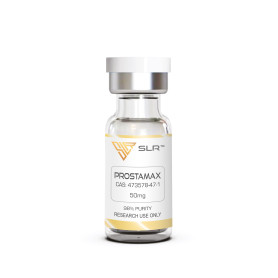
PROSTAMAX - 50mg
€128.00
Tax excluded
IN-STOCK
favorite_border favorite
Prostamax is a prostate-derived bioregulatory peptide that has been investigated in experimental models of chronic aseptic prostate inflammation. Research data indicate that Prostamax is associated with a reduction in inflammatory markers, modulation of tissue remodeling processes, and prevention of fibrotic and atrophic changes within prostate tissue in animal-based studies. Additionally, experimental observations suggest an influence on functional activity parameters in studied models. Comparative research has shown that Prostamax demonstrates a broader and more sustained biological activity in prostate-focused experimental systems when compared with other commonly used prostatotropic research compounds of peptide origin.
α-Klotho - 25mcg
€245.00
Tax excluded
IN-STOCK
favorite_border favorite
α-Klotho is a transmembrane and soluble endocrine protein first identified in 1997 and now widely recognized as a key candidate in aging biology. It is expressed predominantly in the kidney and choroid plexus of the brain, and its soluble form circulates in blood, urine, and cerebrospinal fluid. Membrane α-Klotho functions as an essential co-receptor for FGF23, regulating phosphate and vitamin D metabolism. Soluble α-Klotho is studied for its broader endocrine-like effects, including modulation of oxidative stress responses, inflammatory signaling, IGF-1 and mTOR pathways, and Wnt-associated tissue remodeling. Experimental models show that Klotho deficiency is linked to accelerated aging-like phenotypes such as vascular dysfunction, sarcopenia, cognitive decline, cardiac fibrosis, and osteopenia, while elevated Klotho expression is associated with improved cognition, delayed vascular aging, enhanced muscle regeneration, and increased lifespan. Due to its connection with senescence biology, SASP-driven inflammation, kidney decline, and neurodegenerative processes, α-Klotho remains a central molecule in research focused on longevity, metabolic regulation, and systemic resilience.
B7-33 - 10mg
€115.00
Tax excluded
IN-STOCK
favorite_border favorite
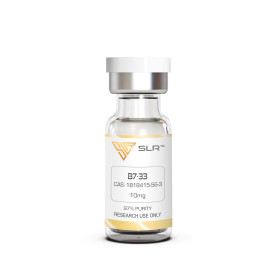
B7-33 peptide 10mg – synthetic research-grade peptide, supplied as lyophilized powder for laboratory research. B7-33 has been investigated in preclinical research models related to fibrotic tissue remodeling, vascular and endothelial signaling, cardiac injury, and pulmonary inflammation.
PINEALON - 10ml/100mg - Spray
€289.00
Tax excluded
IN-STOCK
favorite_border favorite
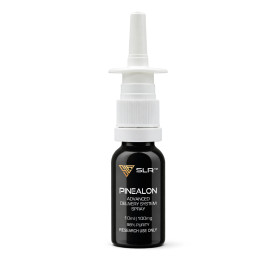
Most peptides exert their biological effects by interacting with cell surface or intracellular receptors. However, a limited number of peptides are capable of binding directly to DNA, thereby influencing fundamental biological processes at the level of gene regulation. Pinealon is one of these bioregulatory peptides. It has demonstrated neuroprotective properties and is considered a promising candidate for research focused on the modulation and management of various neurological conditions. Pinealon is known to affect the central nervous system by influencing behavior while also protecting neurons and other cell types from oxidative damage. One of the most notable characteristics of Pinealon is its ability to cross the cellular membrane, nuclear membrane, and the blood–brain barrier. This unique property helps explain its capacity to interact directly with DNA and regulate gene expression. Pinealon has been associated in research with potential applications including: Anti-aging effects Neuronal protection Modulation of depressive pathways Research into neurological disorders such as Alzheimer’s disease and Parkinson’s disease Memory enhancement Regulation of sleep and circadian rhythms FRESHLY PREPARED SOLUTION
5-AMINO-1MQ - 3g
€145.00
Tax excluded
Temporarily unavailable
favorite_border favorite
5-amino-1MQ is a synthetic small-molecule compound investigated for its ability to modulate the activity of nicotinamide N-methyltransferase (NNMT), an enzyme involved in cellular metabolic regulation and energy balance. NNMT plays a role in nicotinamide metabolism and influences the availability of nicotinamide adenine dinucleotide (NAD⁺), a central cofactor in mitochondrial function and cellular energy production. By inhibiting NNMT activity in experimental models, 5-amino-1MQ has been associated with increased NAD⁺ availability and modulation of metabolic signaling pathways, including those linked to sirtuin-1 (SIRT1). Preclinical research has explored its effects on energy utilization, adipose tissue metabolism, and metabolic efficiency without changes in caloric intake. This compound is primarily used as a research tool to investigate NNMT-related pathways and their role in metabolic regulation.
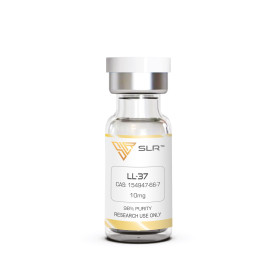
LL-37-10mg
€79.90
Tax excluded
IN-STOCK
favorite_border favorite
LL-37 is the only known human member of the cathelicidin family, a broad class of proteins commonly referred to as antimicrobial peptides (AMPs). These peptides are primarily expressed in macrophages and polymorphonuclear leukocytes, where they contribute to innate immune defense against microbial threats. Beyond their antimicrobial role, experimental research has demonstrated that LL-37 is involved in a wide range of biological processes related to immune regulation, inflammation, tissue repair, and cellular signaling. For this reason, LL-37 has been extensively studied in research models relevant to cancer biology, autoimmune mechanisms, inflammatory conditions, and wound-related processes. According to experimental research, LL-37 has been investigated in relation to: Inflammatory processes associated with rheumatoid arthritis Immune dysregulation studied in lupus models Chronic and acute inflammatory conditions Vascular inflammation relevant to atherosclerosis research Skin inflammation examined in psoriasis models Intestinal inflammation studied in colitis research Gastrointestinal inflammatory signaling in Crohn’s disease models Tissue injury and repair processes associated with ulcers Impaired wound-healing environments such as diabetic foot models Cellular and immune mechanisms explored in cancer research Broad antimicrobial activity within innate immune defense systems
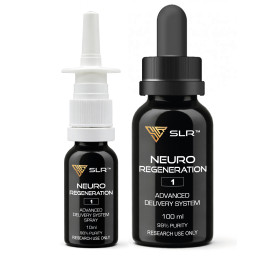
NEURO REGENERATION 1 - 10ml+100ml
€645.00
Tax excluded
IN-STOCK
favorite_border favorite
MITOCHONDRIAL FUNCTION / SYNAPTIC PLASTICITY / HIPPOCAMPAL NEUROGENESIS This multi-compound research formulation combines peptide-based and small-molecule neuroactive agents investigated in preclinical systems for neuronal stress resilience, synaptic integrity, and hippocampal structural support under experimental neurodegeneration and mood-dysregulation paradigms. Colivelin has been studied for amyloid-associated stress resistance and survival-signaling pathway modulation (including JAK/STAT3-related investigations). Cortagen has been explored for neuronal functional modulation, oxidative-stress markers, and recovery-related observations in neural stress and injury contexts. Humanin G  is a mitochondrial-derived micro-peptide analog investigated for cytoprotective signaling, anti-apoptotic mechanisms, and mitochondrial redox resilience across neurodegeneration- and systemic-stress models. J-147 is a small-molecule candidate studied for mitochondrial-functional modulation with downstream effects described on bioenergetics, AMPK-linked energy sensing, oxidative-stress markers, synaptic plasticity parameters. NSI-189 phosphate is a neurogenic small molecule investigated for dentate gyrus neurogenesis, hippocampal microarchitecture support, and circuit-level effects relevant to mood and cognition in preclinical research settings. FRESHLY PREPARED SOLUTION
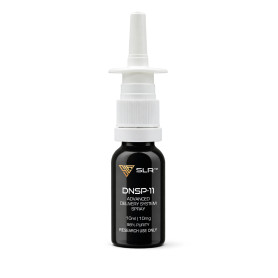
DNSP-11 - 10ml/10mg - Spray
€159.00
Tax excluded
IN-STOCK
favorite_border favorite
DNSP-11 is a short amidated peptide derived from the proGDNF domain that has been investigated in preclinical research models for its neurotrophic-like activity within dopaminergic systems. Experimental studies conducted in vitro and in vivo suggest that DNSP-11 may support dopaminergic neuron resilience, neuroadaptive responses, and neuronal survival mechanisms under conditions of neurodegenerative stress. DNSP-11 has been explored in research contexts related to: Dopaminergic neuron degeneration models Nigrostriatal system dysfunction Neuroprotective and neurorestorative pathways Modulation of dopamine and dopamine metabolite levels Motor asymmetry and behavioral outcome models Neuronal survival and anti-apoptotic signaling Neurite outgrowth and neuronal differentiation Toxin-induced neurodegeneration models FRESHLY PREPARED SOLUTION 
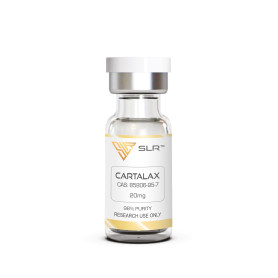
CARTALAX - 20mg
€58.00
Tax excluded
IN-STOCK
favorite_border favorite
Cartalax is a synthetic short bioregulatory tripeptide composed of Alanine, Glutamic Acid, and Aspartic Acid (Ala-Glu-Asp). It has been investigated in preclinical research for its potential role in regulating chondrocyte activity, maintaining extracellular matrix homeostasis, and supporting cartilage biology. Experimental studies suggest that Cartalax may influence gene expression and protein synthesis involved in connective tissue maintenance rather than acting as a structural replacement for cartilage components. Ongoing research explores its relevance in models of cartilage aging, extracellular matrix remodeling, and musculoskeletal tissue regulation. All available data are derived from laboratory and preclinical investigations, and further independent studies are required to fully characterize its biological mechanisms and potential applications.
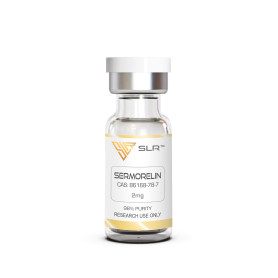
SERMORELIN - 2mg
€28.00
Tax excluded
IN-STOCK
favorite_border favorite
Sermorelin is a synthetic peptide derived from Growth Hormone-Releasing Hormone (GHRH) that stimulates the pituitary gland to increase endogenous growth hormone secretion. By activating GHRH receptors, Sermorelin promotes physiological GH release and enhances downstream IGF-1 production, supporting anabolic and regenerative signaling. Research suggests it may be relevant in studies involving body composition improvement, bone density support, metabolic regulation, and tissue repair. Additional research interest includes potential cardiovascular recovery effects through reduced scar remodeling, neuroprotective support via IGF-1-mediated neuronal resilience, and systemic benefits in chronic inflammation-related conditions. Due to its feedback-regulated mechanism and sustained receptor responsiveness, Sermorelin remains an important peptide in research related to endocrine aging, regeneration, and long-term metabolic health.
GERMANIUM SESQUIOXIDE GE-132 - 99,99% - 50g
€189.00
Tax excluded
IN-STOCK
favorite_border favorite
Organic Germanium GE-132 (carboxyethylgermanium sesquioxide) is a water-soluble organogermanium compound investigated for its effects on immune signaling, chemokine regulation, and oxidative stress pathways. Research consistently highlights modulation of the CCL2–CCR2 chemokine axis, which influences monocyte recruitment and macrophage trafficking, as well as induction of interferon-associated pathways with activation of NK cells and macrophages in experimental models. GE-132 has also been shown to suppress NF-κB and MAPK signaling and reduce inflammatory mediators under controlled conditions. Another key feature is redox modulation. Several studies report protection against hydrogen peroxide–induced oxidative stress, increased intracellular glutathione, reduced LDL oxidation, elevated α-tocopherol levels, and improved antioxidant enzyme activity. In vitro data also indicate increased cellular ATP levels and potential support of mitochondrial bioenergetics. Preclinical oncology research describes effects on tumor microenvironment regulation, macrophage M1 gene polarization, inhibition of the CCL2 pathway, and reduction of tumor progression. Additional experimental contexts include vascular inflammation, myocardial remodeling, neuroinflammatory paradigms, hepatic oxidative injury, antiviral immune signaling, and wound healing biology.
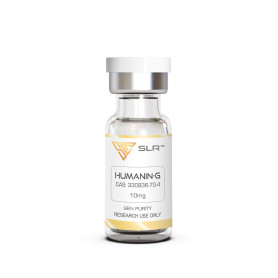
HUMANIN G - 10mg
€119.00
Tax excluded
IN-STOCK
favorite_border favorite
Humanin is a 24–amino acid mitochondrial-derived peptide in which each residue contributes to its biological activity. A key residue is serine at position 14, which is associated with neuroprotective properties. Substitution of this amino acid with glycine results in a more potent variant known as Humanin-G (HNG). Experimental research indicates that HNG exhibits substantially enhanced biological activity compared to native Humanin and is particularly effective in preserving mitochondrial function and cellular integrity under stress conditions. In preclinical and laboratory research settings, Humanin-G has been shown to support cellular survival by limiting mitochondrial dysfunction and reducing pathways associated with programmed cell death. These properties have generated scientific interest in its role within research models of ischemic injury, neurodegenerative processes such as Alzheimer’s disease, and other conditions linked to cellular stress. Based on experimental observations, Humanin-G has been associated with:  Protection against mitochondrial dysfunction in stressed cells Reduction of apoptosis-related cellular pathways Support of cellular longevity mechanisms in research models Modulation of insulin sensitivity in experimental systems Neuroprotective effects observed in models of ischemia and neurodegeneration
TP508 - 1mg
€170.00
Tax excluded
IN-STOCK
favorite_border favorite
TP508 is a 23–amino acid investigational regenerative peptide derived from amino acids 508–530 of human prothrombin. It has been studied for its ability to stimulate tissue repair by reversing endothelial dysfunction, promoting angiogenesis and revascularization, attenuating inflammation, and reducing apoptosis. Human studies have reported improved healing of diabetic foot ulcers and distal radius fractures, while animal studies suggest TP508 may stimulate bone regeneration in critical-size defects. Emerging evidence indicates that TP508 may activate tissue-derived stem/progenitor cells, which may contribute to its broad regenerative effects. Additional research has explored TP508 in cardiovascular ischemia models, where it increased perfusion and restored nitric oxide signaling through eNOS activation. TP508 has also been investigated as a potential countermeasure for radiation-induced gastrointestinal injury due to its potential role in supporting intestinal stem cell regeneration.