Cancer

Active filters

ATN-161- 5mg, 60mg
€98.00
Tax excluded
IN-STOCK
favorite_border favorite
ATN-161 is a synthetic pentapeptide used in preclinical research models to study integrin–extracellular matrix interactions, particularly those involving fibronectin binding. In in vitro systems and animal studies, modulation of these interactions has been employed to investigate cell adhesion, migration, angiogenesis-related signaling, and tissue remodeling mechanisms under experimental conditions.
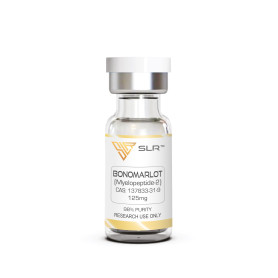
BONOMARLOT (Myelopeptide-2) - 125mg
€248.00
Tax excluded
IN-STOCK
favorite_border favorite
Summary Bonomarlot, also known as Myelopeptide-2 (MP-2), is a synthetic hexapeptide derived from bone marrow peptides and studied for its immunomodulatory properties in experimental settings. It has demonstrated the ability to restore T-lymphocyte proliferation and normalize key surface markers such as CD3 and CD4 under conditions of immune suppression induced by tumor-derived factors. These effects suggest a role in supporting cellular signaling pathways involved in T-cell activation and functional recovery. Due to its small size and hydrophobic composition, MP-2 may interact efficiently with cellular membranes and protein interfaces, contributing to its biological activity. Current data are limited to preclinical research models, where MP-2 is used as a tool to investigate immune regulation, cellular recovery mechanisms, and tumor-associated immunosuppression.
CARDIOGEN - 10ml/50mg - Spray
€187.00
Tax excluded
IN-STOCK
favorite_border favorite
Cardiogen is a short synthetic peptide used in preclinical research models to study fibroblast-associated signaling and tissue remodeling mechanisms. In in vitro systems and animal studies, it has been investigated for its role in regulating cellular processes involved in extracellular matrix organization and scar-related responses under experimental conditions. FRESHLY PREPARED SOLUTION 

CARDIOGEN - 50mg
€146.00
Tax excluded
IN-STOCK
favorite_border favorite
Cardiogen is a short synthetic peptide used in preclinical research models to study fibroblast-associated signaling and tissue remodeling mechanisms. In in vitro systems and animal studies, it has been investigated for its role in regulating cellular processes involved in extracellular matrix organization and scar-related responses under experimental conditions.
DRP-104 - 500mg
€1,970.00
Tax excluded
Made to Order Compound
favorite_border favorite
DRP-104 is an experimental compound investigated for its ability to inhibit glutaminase 1 (GLS1), a key enzyme responsible for converting glutamine into glutamate. Because glutamate supports nucleotide synthesis, amino acid production, antioxidant defense, and mitochondrial energy metabolism, GLS1 inhibition can disrupt multiple metabolic pathways essential for tumor growth. Cancer cells frequently depend on glutamine metabolism to sustain rapid proliferation, energy generation, and redox homeostasis. By blocking GLS1, DRP-104 has been explored as a metabolic intervention that induces a state of metabolic stress in tumor cells, potentially reducing their proliferative capacity and promoting selective vulnerability. Research has also investigated DRP-104 for its broader implications in tumor biology, including potential effects on oxidative stress balance, growth signaling pathways such as mTOR, and tumor microenvironment nutrient competition. 
EPITALON - 100mg
€138.00
Tax excluded
IN-STOCK
favorite_border favorite
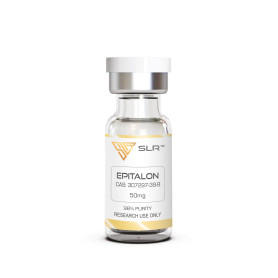
Epitalon stimulates the renewal of the whole body, beginning with the inside organs and working its way outward to the skin. It demonstrates a variety of bioactivities, including the following: Improving ocular retina condition in retinitis pigmentosa Anti-aging by activating chromatin in old age Anticancer and antitumour metastatic effects Activation telomerase Elongation of telomeres Survival of cells, resistance to stress and oxidative changes Balancing of endocrine secretion, improvement pineal gland function and increases the release of melatonin Decreased cortisol levels Increased antioxidant enzymes Increased brain health  
EPITALON - 10ml/200mg - Spray
€268.00
Tax excluded
IN-STOCK
favorite_border favorite
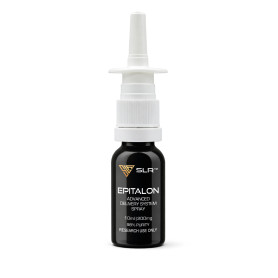
Epitalon stimulates the renewal of the whole body, beginning with the inside organs and working its way outward to the skin. It demonstrates a variety of bioactivities, including the following: Improving ocular retina condition in retinitis pigmentosa Anti-aging by activating chromatin in old age Anticancer and antitumour metastatic effects Activation telomerase Elongation of telomeres Survival of cells, resistance to stress and oxidative changes Balancing of endocrine secretion, improvement pineal gland function and increases the release of melatonin Decreased cortisol levels Increased antioxidant enzymes Increased brain health   FRESHLY PREPARED SOLUTION 
GcMAF FRAG - 1mg, 10mg
€159.00
Tax excluded
IN-STOCK
favorite_border favorite
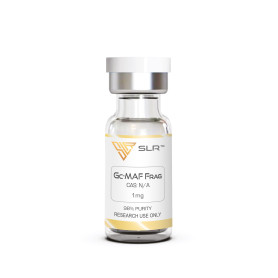
GcMAF Frag (Gc protein–derived macrophage activating factor fragment) is a peptide fragment derived from vitamin D–binding protein (DBP) and studied for its interaction with macrophages, key cells of the innate immune system involved in immune surveillance and phagocytic processes. In experimental and preclinical research settings, GcMAF Frag has been investigated for its ability to influence macrophage-associated signaling pathways and immune-related functional markers. Within controlled laboratory models, exposure to GcMAF-related fragments has been associated with modulation of macrophage activity, including phagocytosis-related assays and cytokine-associated readouts. For this reason, the peptide is primarily used as a research tool in studies focused on immune regulation, inflammatory signaling, and host defense mechanisms. Chemical modifications such as N-terminal acetylation and C-terminal amidation have been evaluated in peptide research for their impact on structural stability and resistance to enzymatic degradation. In experimental systems, these features may contribute to enhanced molecular stability, prolonged functional persistence, and optimized receptor interaction profiles under in vitro conditions.
GERMANIUM SESQUIOXIDE GE-132 - 99,99% - 50g
€189.00
Tax excluded
IN-STOCK
favorite_border favorite
Organic Germanium GE-132 (carboxyethylgermanium sesquioxide) is a water-soluble organogermanium compound investigated for its effects on immune signaling, chemokine regulation, and oxidative stress pathways. Research consistently highlights modulation of the CCL2–CCR2 chemokine axis, which influences monocyte recruitment and macrophage trafficking, as well as induction of interferon-associated pathways with activation of NK cells and macrophages in experimental models. GE-132 has also been shown to suppress NF-κB and MAPK signaling and reduce inflammatory mediators under controlled conditions. Another key feature is redox modulation. Several studies report protection against hydrogen peroxide–induced oxidative stress, increased intracellular glutathione, reduced LDL oxidation, elevated α-tocopherol levels, and improved antioxidant enzyme activity. In vitro data also indicate increased cellular ATP levels and potential support of mitochondrial bioenergetics. Preclinical oncology research describes effects on tumor microenvironment regulation, macrophage M1 gene polarization, inhibition of the CCL2 pathway, and reduction of tumor progression. Additional experimental contexts include vascular inflammation, myocardial remodeling, neuroinflammatory paradigms, hepatic oxidative injury, antiviral immune signaling, and wound healing biology.
GHK-CU - 200mg
€129.00
Tax excluded
IN-STOCK
favorite_border favorite
GHK-Cu is a naturally occurring copper-binding tripeptide widely studied for its role in tissue maintenance, cellular repair, and gene-regulatory processes. Research has associated GHK-Cu with multiple biological activities relevant to skin biology, cellular regeneration, and protective mechanisms at the molecular level. According to experimental and research observations, GHK-Cu has been associated with the following effects: Improves skin density and firmness Reduces the appearance of fine lines and deeper wrinkles Helps counteract photodamage related to environmental exposure Supports biological processes linked to hair follicle activity Demonstrates gene-regulatory activity relevant to cancer research models Supports mechanisms involved in nerve regeneration Activates pathways associated with DNA repair and cellular recovery All listed effects are derived from laboratory, preclinical, or controlled research contexts and are presented for scientific and educational purposes only.
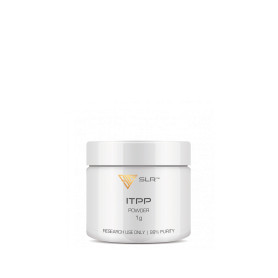
ITPP (MYO-INOSITOL TRISPYROPHOSPHATE) - 1gr/5gr
€40.00
Tax excluded
IN-STOCK
favorite_border favorite
Myo-Inositol Trispyrophosphate Hexasodium Salt (ITPP) is a compound studied for its ability to influence oxygen delivery dynamics by modulating hemoglobin’s affinity for oxygen. This mechanism has been associated, in experimental settings, with changes in tissue oxygen availability and cellular metabolic processes. In preclinical and laboratory research, ITPP has been explored for its potential impact on metabolic efficiency, oxidative balance, and inflammatory pathways. Its interaction with oxygen-dependent systems has generated scientific interest in areas related to cellular energy metabolism, mitochondrial function, and tissue-level physiology. Additionally, ongoing research has investigated the broader implications of oxygen modulation in contexts such as aging processes, cellular stress response, and complex biological environments including those associated with neurodegenerative and proliferative conditions.
L-GLUTATHIONE - 10ml/500mg - Spray
€58.00
Tax excluded
IN-STOCK
favorite_border favorite
L-Glutathione is a naturally occurring tripeptide that has been extensively studied for its central role in cellular protection and metabolic balance. Research and experimental data indicate that L-Glutathione is associated with the following biological processes: Regulation of intracellular redox balance and antioxidant defenses Protection of cells from oxidative stress and reactive oxygen species Support of detoxification and cellular clearance pathways Modulation of immune and inflammatory signaling mechanisms Maintenance of mitochondrial function and cellular energy metabolism Preservation of protein structure and prevention of oxidative damage Involvement in cellular stress adaptation and aging-related processes FRESHLY PREPARED SOLUTION 
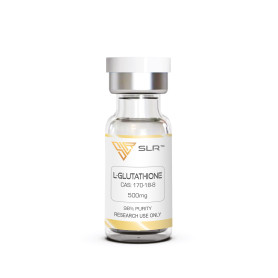
L-GLUTATHIONE - 500mg
€32.00
Tax excluded
IN-STOCK
favorite_border favorite
L-Glutathione is a naturally occurring tripeptide that has been extensively studied for its central role in cellular protection and metabolic balance. Research and experimental data indicate that L-Glutathione is associated with the following biological processes: Regulation of intracellular redox balance and antioxidant defenses Protection of cells from oxidative stress and reactive oxygen species Support of detoxification and cellular clearance pathways Modulation of immune and inflammatory signaling mechanisms Maintenance of mitochondrial function and cellular energy metabolism Preservation of protein structure and prevention of oxidative damage Involvement in cellular stress adaptation and aging-related processes
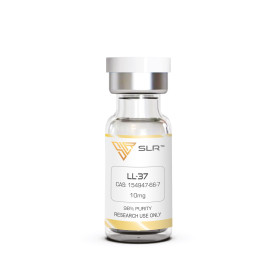
LL-37-10mg
€138.00
Tax excluded
IN-STOCK
favorite_border favorite
LL-37 is the only known human member of the cathelicidin family, a broad class of proteins commonly referred to as antimicrobial peptides (AMPs). These peptides are primarily expressed in macrophages and polymorphonuclear leukocytes, where they contribute to innate immune defense against microbial threats. Beyond their antimicrobial role, experimental research has demonstrated that LL-37 is involved in a wide range of biological processes related to immune regulation, inflammation, tissue repair, and cellular signaling. For this reason, LL-37 has been extensively studied in research models relevant to cancer biology, autoimmune mechanisms, inflammatory conditions, and wound-related processes. According to experimental research, LL-37 has been investigated in relation to: Inflammatory processes associated with rheumatoid arthritis Immune dysregulation studied in lupus models Chronic and acute inflammatory conditions Vascular inflammation relevant to atherosclerosis research Skin inflammation examined in psoriasis models Intestinal inflammation studied in colitis research Gastrointestinal inflammatory signaling in Crohn’s disease models Tissue injury and repair processes associated with ulcers Impaired wound-healing environments such as diabetic foot models Cellular and immune mechanisms explored in cancer research Broad antimicrobial activity within innate immune defense systems
N-ACETYL EPITALON AMIDATE - 100mg
€159.00
Tax excluded
IN-STOCK
favorite_border favorite
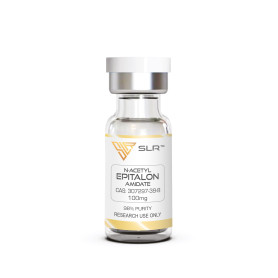
N-Acetyl Epitalon Amidate is a synthetically modified derivative of Epitalon (epithalamin), obtained through N-acetylation and C-terminal amidation. The acetylation and amidation modifications applied to N-acetyl Epitalon Amidate have been studied for their ability to confer enhanced molecular stability, extended half-life, and improved receptor interaction compared to the unmodified peptide. Epitalon and its modified forms have been extensively studied in relation to cellular aging processes, telomere biology, circadian regulation, and genomic stability. In particular, research has examined this peptide in the context of the following biological areas: Telomerase-related pathways Cellular stress resistance Endocrine and circadian regulation Stress hormone modulation Antioxidant activity Central nervous system function Longevity-related processes Note: Due to N-acetylation and amidation, the peptide exhibits reduced polarity, which may result in lower water solubility compared to unmodified Epitalon.
PNC-27 - 5mg
€129.00
Tax excluded
IN-STOCK
favorite_border favorite
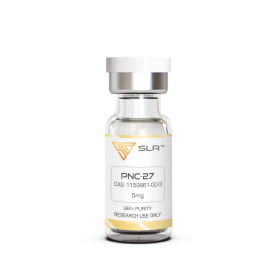
PNC-27 is a synthetic research peptide studied for its selective activity against malignant cells. It is designed to bind to HDM-2, a protein that is abnormally expressed on the membranes of many cancer cells and is known to interact with the p53 tumor suppressor pathway. Experimental research indicates that PNC-27 can selectively induce cancer cell death by disrupting the integrity of the cancer cell membrane through a process known as membranolysis, while showing minimal interaction with non-cancerous cells.
PNC-28 - 5mg
€185.00
Tax excluded
IN-STOCK
favorite_border favorite
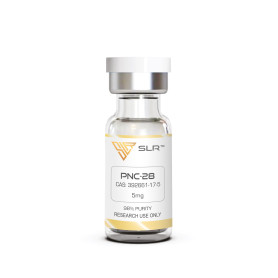
PNC-28 is a synthetic peptide derived from the p53 protein, specifically from its MDM2-binding domain, and engineered with a penetratin sequence to enable efficient cellular uptake. It is studied for its ability to interact with dysregulated cellular pathways commonly found in transformed cells, particularly involving the MDM2 regulatory system. In experimental models, PNC-28 has been associated with the induction of non-apoptotic cell death mechanisms, characterized by loss of membrane integrity rather than classical programmed cell death. This feature makes it of particular interest in research settings where resistance to apoptosis is observed. Due to its unique mechanism and intracellular activity, PNC-28 is primarily used as a research tool in studies related to tumor biology, cellular stress responses, and alternative cell death pathways.
REJUV RESEARCH 2
€569.00
Tax excluded
IN-STOCK
favorite_border favorite
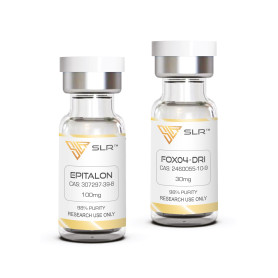
TELOMERE / SENESCENT CELL TARGETING Epitalon - 100mg + FOX04 - DRI - 30mg  Epitalon + FOXO4-DRI is a research combination designed to explore two major biological pathways strongly associated with aging and cellular decline: telomere maintenance mechanisms and senescent cell signaling. Epitalon is widely studied for its potential involvement in telomerase-related pathways and circadian regulation, while FOXO4-DRI is a peptide of interest in senescence research due to its reported ability to interfere with FOXO4–p53 interactions in experimental models. This interaction has been associated with selective signaling effects in senescent cells, making FOXO4-DRI a key compound in research focused on senescent cell targeting and tissue homeostasis. Together, this combination is positioned for advanced research into mechanisms linked to cellular aging, tissue regeneration pathways, and biological resilience. According to experimental and preclinical research, this research set has been associated with the following areas of interest: Telomere biology and telomerase pathway research Senescent cell targeting and apoptosis-related signaling mechanisms Support of tissue homeostasis in aging models Investigation of cellular stress-response pathways Research into age-related functional decline at tissue and organ level Scientific interest in pathways related to immune regulation and systemic aging mechanisms All information provided above refers exclusively to laboratory, experimental, or preclinical research contexts and is intended for scientific and educational discussion only.
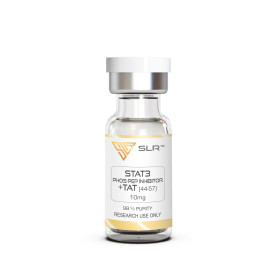
STAT3 PHOSPHOPEPTIDE INHIBITOR + TAT (44-57) - 10mg/30mg (Price on request)
favorite_border favorite
Made to Order Compound ✦ Price available upon request. For inquiries: contact us The STAT3 Inhibitor Peptide has been explored in experimental and preclinical research for its potential relevance across multiple cancer-related models, including: Multiple Myeloma Leukemia Glioblastoma Breast and Lung Cancers By selectively interacting with STAT3-associated signaling pathways, this peptide has been investigated for its ability to modulate cellular survival mechanisms and related biological processes, while being evaluated for its differential effects between transformed and non-transformed cells under controlled research conditions.
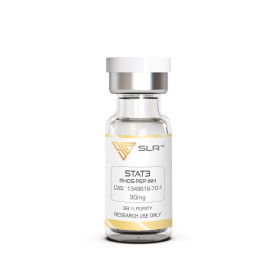
STAT3 PHOSPHOPEPTIDE INHIBITOR - 10mg/30mg
€260.00
Tax excluded
Developed Compound ✦ Limited Stock Available
favorite_border favorite
The STAT3 Inhibitor Peptide has been explored in experimental and preclinical research for its potential relevance across multiple cancer-related models, including: Multiple Myeloma Leukemia Glioblastoma Breast and Lung Cancers By selectively interacting with STAT3-associated signaling pathways, this peptide has been investigated for its ability to modulate cellular survival mechanisms and related biological processes, while being evaluated for its differential effects between transformed and non-transformed cells under controlled research conditions.
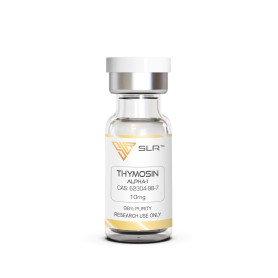
THYMOSIN ALPHA-1 - 10 mg
€120.00
Tax excluded
IN-STOCK
favorite_border favorite
Thymosin alpha-1 is a thymus-derived peptide widely studied as a potent regulator of immune function. It supports adaptive immunity by promoting T-cell maturation and enhancing immune communication through cytokine signaling pathways. Research in thymus-deficient models suggests thymosin alpha-1 may restore immune competence and improve resistance to infection. It has also been investigated as a vaccine adjuvant, potentially strengthening immune memory and improving the effectiveness of inactivated vaccines. In addition, thymosin alpha-1 has been studied in sepsis-related research due to its ability to modulate immune responses and potentially improve outcomes in severe infection-driven inflammatory states. These properties make thymosin alpha-1 a peptide of significant interest in research involving immune aging, infection susceptibility, vaccine response, and immune system resilience.