Tissue Injury

Active filters

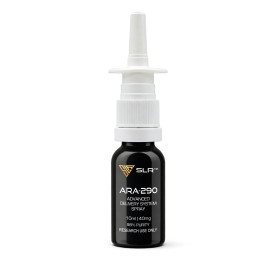
ARA-290 - 10ml/40mg - Spray
€189.00
Tax excluded
IN-STOCK
favorite_border favorite
ARA-290 has been investigated in preclinical and experimental research models designed to study inflammatory, metabolic, vascular, and neurobiological mechanisms relevant to the following disease-related research contexts: Cardiovascular-related experimental modelsRetinal ischemia and microvascular injury models Peripheral nerve injury and neuropathy models Small fiber nerve degeneration models Chronic inflammatory joint disease models Renal inflammation and metabolic stress models Hepatic lipid accumulation and inflammatory liver models Intestinal inflammation models Systemic autoimmune and immune dysregulation models Wound healing and tissue repair models  FRESHLY PREPARED SOLUTION 
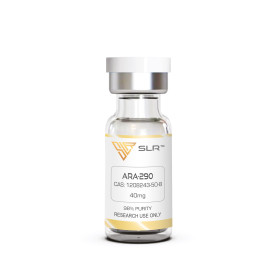
ARA-290 - 40mg
€145.00
Tax excluded
IN-STOCK
favorite_border favorite
ARA-290 has been investigated in preclinical and experimental research models designed to study inflammatory, metabolic, vascular, and neurobiological mechanisms relevant to the following disease-related research contexts: Cardiovascular-related experimental modelsRetinal ischemia and microvascular injury models Peripheral nerve injury and neuropathy models Small fiber nerve degeneration models Chronic inflammatory joint disease models Renal inflammation and metabolic stress models Hepatic lipid accumulation and inflammatory liver models Intestinal inflammation models Systemic autoimmune and immune dysregulation models Wound healing and tissue repair models 
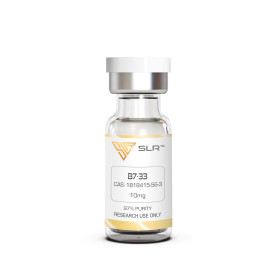
B7-33 - 10mg
€115.00
Tax excluded
IN-STOCK
favorite_border favorite
B7-33 has been investigated in preclinical research models related to: Fibrotic tissue remodeling models Vascular protection and endothelial signaling models Cardiac injury and post-ischemic remodeling models Pulmonary inflammation and fibrosis-related models 
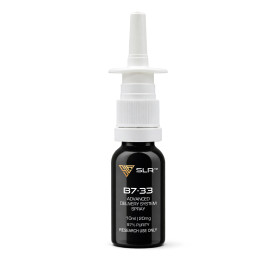
B7-33 - 10ml/20mg - Spray
€268.00
Tax excluded
IN-STOCK
favorite_border favorite
B7-33 has been investigated in preclinical research models related to: Fibrotic tissue remodeling models Vascular protection and endothelial signaling models Cardiac injury and post-ischemic remodeling models Pulmonary inflammation and fibrosis-related models  FRESHLY PREPARED SOLUTION 
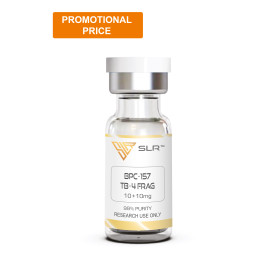
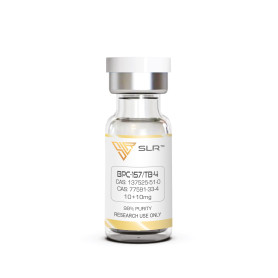
BPC-157 + THYMOSIN B-4 - 10+10mg
€148.00
Tax excluded
IN-STOCK
favorite_border favorite
BPC-157 is a 15-amino-acid synthetic peptide used in preclinical research models to investigate cellular repair mechanisms, extracellular matrix dynamics, vascular signaling, and tissue stress responses. In in vitro systems and animal studies, BPC-157 has been explored for its involvement in pathways related to fibroblast activity, angiogenesis, nitric oxide-associated signaling, coagulation-related processes, immune modulation, and gene expression regulation under experimental conditions. Thymosin Beta-4 is a 43-amino-acid peptide widely used in preclinical experimental systems to study actin-mediated cell migration, angiogenesis, inflammatory signaling, and tissue remodeling processes. In laboratory and animal models, Thymosin Beta-4 has been investigated for its role in wound-associated cell dynamics, oxidative stress responses, and regeneration-related signaling pathways. 
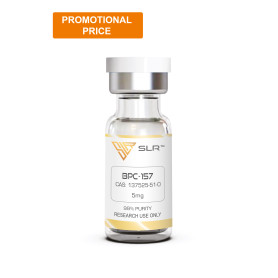
BPC-157 - 5mg
€34.00
Tax excluded
IN-STOCK
favorite_border favorite
BPC-157 is a 15-amino-acid synthetic peptide used in preclinical research models to investigate cellular repair mechanisms, extracellular matrix dynamics, vascular signaling, and tissue stress responses. In in vitro systems and animal studies, BPC-157 has been explored for its involvement in pathways related to fibroblast activity, angiogenesis, nitric oxide-associated signaling, coagulation-related processes, immune modulation, and gene expression regulation under experimental conditions.
BPC-157 ARG + TB-4 FRAG - 10ml/30mg + 30mg - Spray
€228.00
Tax excluded
IN-STOCK
favorite_border favorite
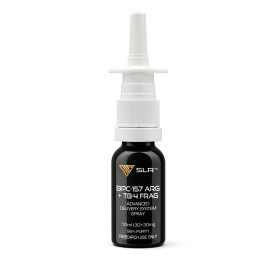
BPC-157 is a 15-amino-acid synthetic peptide used in preclinical research models to investigate cellular repair mechanisms, extracellular matrix dynamics, vascular signaling, and tissue stress responses. In in vitro systems and animal studies, BPC-157 has been explored for its involvement in pathways related to fibroblast activity, angiogenesis, nitric oxide-associated signaling, coagulation-related processes, immune modulation, and gene expression regulation under experimental conditions. Thymosin Beta-4 Fragment is a short peptide derived from the active region of Thymosin Beta-4, commonly employed in preclinical research to investigate actin-regulated cell migration, angiogenesis, inflammatory modulation, and tissue remodeling mechanisms. In experimental models, it has been studied for its involvement in wound-related cellular dynamics, oxidative stress responses, and regeneration-associated signaling pathways. FRESHLY PREPARED SOLUTION 
BPC-157 ARG - 10ml/30mg - Spray
€148.00
Tax excluded
IN-STOCK
favorite_border favorite
BPC-157 is a 15-amino-acid synthetic peptide used in preclinical research models to investigate cellular repair mechanisms, extracellular matrix dynamics, vascular signaling, and tissue stress responses. In in vitro systems and animal studies, BPC-157 has been explored for its involvement in pathways related to fibroblast activity, angiogenesis, nitric oxide-associated signaling, coagulation-related processes, immune modulation, and gene expression regulation under experimental conditions. FRESHLY PREPARED SOLUTION 
CARDIOGEN - 10ml/50mg - Spray
€187.00
Tax excluded
IN-STOCK
favorite_border favorite
Cardiogen is a short synthetic peptide used in preclinical research models to study fibroblast-associated signaling and tissue remodeling mechanisms. In in vitro systems and animal studies, it has been investigated for its role in regulating cellular processes involved in extracellular matrix organization and scar-related responses under experimental conditions. FRESHLY PREPARED SOLUTION 
CARDIOGEN - 50mg
€146.00
Tax excluded
IN-STOCK
favorite_border favorite
Cardiogen is a short synthetic peptide used in preclinical research models to study fibroblast-associated signaling and tissue remodeling mechanisms. In in vitro systems and animal studies, it has been investigated for its role in regulating cellular processes involved in extracellular matrix organization and scar-related responses under experimental conditions.
CJC-1295 NO DAC - Mod GRF (1-29) - 5mg
€32.00
Tax excluded
IN-STOCK
favorite_border favorite
Modified GRF is a truncated peptide analogue of growth hormone–releasing hormone (GHRH) investigated in preclinical research for its involvement in GHRH-mediated signaling pathways. In experimental settings, Modified GRF has been explored in relation to: – muscle repair– and growth-associated cellular signaling – wound-associated tissue remodeling processes – bone metabolism and structural signaling pathways – lipid metabolism and fat-oxidation–related biochemical pathways – metabolic regulation–associated signaling networks – glucose homeostasis– and immune-related regulatory pathways
GDF-11 - 10ug
€119.00
Tax excluded
If the item is temporarily out of stock when you place your order, the item will automatically move to a back order status. Then, when we get that item back in stock, we will ship it to the shipping address on your account
favorite_border favorite
GDF11 has been shown to improve the outcomes of neurodegenerative and neurovascular diseases, increase the amount of skeletal muscle and boost muscular strength. It also has the power to reverse age-related degenerative alterations, as well as govern organ and skin regeneration following damage. These are all examples of its biological effects, which include reversing senescence.
GDF-8 – 1mg
€90.00
Tax excluded
IN-STOCK
favorite_border favorite
GDF-8 is involved in the regulation of myostatin activity, a key biological factor that normally limits muscle growth and regeneration. Experimental and preclinical research indicates that modulation of this pathway influences muscle and tissue dynamics associated with repair and adaptation. According to research-based observations, GDF-8 has been associated with the following effects: Enhancement of muscular regeneration and recovery processes following injury Support of the body’s regenerative capacity at the tissue level Increase in myofiber hypertrophy in experimental models
GHK +DAC - 100mg
€265.00
Tax excluded
Made to Order Compound
favorite_border favorite
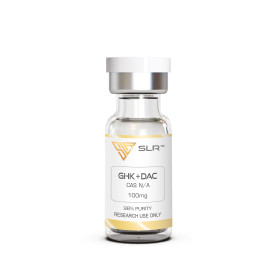
GHK with DAC is a modified form of the naturally occurring tripeptide GHK that has been engineered to enhance stability and prolong its persistence in experimental systems. Like native GHK, it has been widely investigated in laboratory and preclinical research for its involvement in multiple biological processes. Scientific studies suggest that GHK is associated with the following research-observed activities: Support of tissue repair processes Modulation of fibrinogen-related pathways Activation of DNA repair–related gene networks Engagement of the ubiquitin/proteasome system Influence on insulin and insulin-like signaling pathways. The addition of DAC (Drug Affinity Complex or stabilizing moiety) is designed to enhance resistance to enzymatic degradation and extend the duration of peptide activity in experimental conditions. This modification may allow for more sustained interaction with biological systems, supporting improved observation of time-dependent and cumulative effects in research models. Collectively, these properties make GHK with DAC a molecule of interest in research areas such as tissue regeneration, aging mechanisms, metabolic regulation, and cellular homeostasis, particularly in experimental settings where prolonged peptide exposure is required.
GHK - 50mg
€55.00
Tax excluded
IN-STOCK
favorite_border favorite
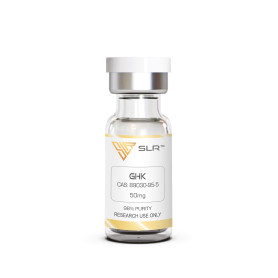
GHK is a naturally occurring tripeptide that has been widely investigated in experimental and laboratory research for its involvement in multiple biological processes. Scientific studies suggest that GHK is associated with the following research-observed activities: Support of tissue repair processes: Linked to collagen-related pathways and cellular mechanisms involved in wound repair and tissue maintenance. Modulation of fibrinogen-related pathways: Associated with inflammatory signaling regulation and vascular biology mechanisms in experimental models. Activation of DNA repair–related gene networks: Observed to influence pathways connected to genomic stability and cellular maintenance. Engagement of the ubiquitin/proteasome system: Studied for its role in supporting protein quality control and cellular homeostasis. Influence on insulin and insulin-like signaling pathways: Associated with metabolic regulation mechanisms in gene expression studies. Collectively, these properties make GHK a molecule of interest in research areas such as cardiovascular biology, aging mechanisms, metabolic regulation, and tissue regeneration. 
GHK-CU - 200mg
€129.00
Tax excluded
IN-STOCK
favorite_border favorite
GHK-Cu is a naturally occurring copper-binding tripeptide widely studied for its role in tissue maintenance, cellular repair, and gene-regulatory processes. Research has associated GHK-Cu with multiple biological activities relevant to skin biology, cellular regeneration, and protective mechanisms at the molecular level. According to experimental and research observations, GHK-Cu has been associated with the following effects: Improves skin density and firmness Reduces the appearance of fine lines and deeper wrinkles Helps counteract photodamage related to environmental exposure Supports biological processes linked to hair follicle activity Demonstrates gene-regulatory activity relevant to cancer research models Supports mechanisms involved in nerve regeneration Activates pathways associated with DNA repair and cellular recovery All listed effects are derived from laboratory, preclinical, or controlled research contexts and are presented for scientific and educational purposes only.
HGH FRAGMENT 176-191 - 5mg
€38.00
Tax excluded
IN-STOCK
favorite_border favorite
HGH Fragment (176–191) is a synthetic peptide derived from the C-terminal region of human growth hormone. It is studied in research contexts for its selective interaction with signaling pathways associated with lipid metabolism and energy regulation. Unlike full-length HGH, this fragment demonstrates a more targeted activity profile, making it a subject of investigation in experimental models focused on metabolic signaling and pathway-specific regulatory mechanisms.
IPAMORELIN - 5mg
€32.00
Tax excluded
IN-STOCK
favorite_border favorite
Ipamorelin is a synthetic pentapeptide classified as a selective growth hormone secretagogue and a ghrelin receptor (GHS-R1a) agonist. It is studied in research contexts for its interaction with receptor-mediated signaling pathways involved in endocrine regulation and pituitary-associated communication processes. Due to its selective receptor activity profile, ipamorelin remains a compound of interest in experimental models investigating growth hormone–related signaling and neuroendocrine regulatory mechanisms.
KPV - 100mg
€240.00
Tax excluded
IN-STOCK
favorite_border favorite
KPV is a short peptide that has been extensively investigated in experimental models for its role in the modulation of inflammatory responses. Current research has focused primarily on its involvement in studies related to inflammatory bowel disease. Additional studies in wound-healing models suggest that KPV, along with other α-MSH–derived peptides, may influence tissue repair processes, inflammatory regulation, microbial control, and structural outcomes associated with healing. According to experimental and preclinical research, KPV has been studied in relation to: Inflammatory mechanisms associated with acne and cystic acne Intestinal inflammatory signaling in Crohn’s disease research models Experimental models of ulcerative colitis and irritable bowel syndrome Inflammatory skin conditions such as eczema and psoriasis Immune and inflammatory responses explored in mold- and Lyme-related models Neuroinflammatory pathways investigated in multiple sclerosis research Inflammatory conditions affecting skin and ocular tissues Airway inflammation examined in allergic asthma models Joint inflammation studied in arthritis-related research
KPV - 10ml/100mg - Spray
€285.00
Tax excluded
IN-STOCK
favorite_border favorite
KPV is a short peptide that has been extensively investigated in experimental models for its role in the modulation of inflammatory responses. Current research has focused primarily on its involvement in studies related to inflammatory bowel disease. Additional studies in wound-healing models suggest that KPV, along with other α-MSH–derived peptides, may influence tissue repair processes, inflammatory regulation, microbial control, and structural outcomes associated with healing. According to experimental and preclinical research, KPV has been studied in relation to:Inflammatory mechanisms associated with acne and cystic acneIntestinal inflammatory signaling in Crohn’s disease research modelsExperimental models of ulcerative colitis and irritable bowel syndromeInflammatory skin conditions such as eczema and psoriasisImmune and inflammatory responses explored in mold- and Lyme-related modelsNeuroinflammatory pathways investigated in multiple sclerosis researchInflammatory conditions affecting skin and ocular tissuesAirway inflammation examined in allergic asthma modelsJoint inflammation studied in arthritis-related research
PEG MGF - 5mg
€59.00
Tax excluded
IN-STOCK
favorite_border favorite
Pegylated Mechano Growth Factor (PEG-MGF) is a modified splice variant related to insulin-like growth factor-1    (IGF-1). In experimental research settings, PEG-MGF has been studied for its role in supporting myoblast division and facilitating the fusion and maturation of muscle fibers. Pegylation enhances the peptide’s stability and circulating half-life, allowing prolonged biological activity compared to non-pegylated MGF. Based on preclinical and experimental studies, PEG-MGF has been investigated in relation to the following biological processes: Support of muscle tissue remodeling Stimulation of new muscle cell formation Neuroprotective mechanisms in experimental models Cardioprotective pathways associated with cellular survival Processes involved in wound healing and tissue regeneration Bone repair and osteogenic activity in injury models Regulation of body fat metabolism and lipid-related markers Modulation of immune-related cellular responses
QK - 1mg
€85.00
Tax excluded
IN-STOCK
favorite_border favorite
QK is a synthetic peptide designed to mimic the activity of Vascular Endothelial Growth Factor (VEGF), one of the primary regulators of angiogenesis (the formation of new blood vessels). Unlike full-length VEGF, QK is a smaller and more stable molecule that retains the ability to bind endothelial receptors (particularly VEGFR-1), activating key biological pathways involved in vascular growth. Its primary effect is the stimulation of angiogenesis, through: endothelial cell proliferation and migration formation of new capillary structures improvement of microcirculation These properties make QK highly relevant in research related to: tissue regeneration wound healing ischemic conditions (reduced blood flow) endothelial function and vascular health In summary, QK is a targeted angiogenic mimetic, useful for studying controlled vascular growth in experimental settings, offering improved stability and control compared to natural VEGF.
THYMOSIN B-4 FRAG - 10ml/60mg - Spray
€165.00
Tax excluded
IN-STOCK
favorite_border favorite
Thymosin Beta-4 Fragment is a short peptide derived from the active region of Thymosin Beta-4, commonly employed in preclinical research to investigate actin-regulated cell migration, angiogenesis, inflammatory modulation, and tissue remodeling mechanisms. In experimental models, it has been studied for its involvement in wound-related cellular dynamics, oxidative stress responses, and regeneration-associated signaling pathways. FRESHLY PREPARED SOLUTION 
THYMOSIN BETA-4 (43aa) - 10mg
€120.00
Tax excluded
IN-STOCK
favorite_border favorite
Thymosin Beta-4 (Tβ4), often associated with the peptide fragment TB-500 in research contexts, is a naturally occurring peptide involved in tissue repair, immune regulation, and cellular regeneration. Its primary mechanism is linked to actin-binding activity, supporting cytoskeletal remodeling and promoting cell migration essential for wound healing. Research suggests Tβ4 may stimulate angiogenesis, enhance collagen deposition, support keratinocyte and endothelial migration, and reduce inflammatory cytokine signaling through modulation of pathways such as NF-κB. It has been studied in experimental models of skin repair, corneal injury, dry eye conditions, cardiovascular remodeling after ischemic injury, systemic inflammation including sepsis models, neurological injury, autoimmune neuroinflammation, and musculoskeletal recovery. These properties make Tβ4 a major peptide of interest in regenerative biology and inflammation-related research.
TISSUE REPAIR - 30ml
€380.00
Tax excluded
IN-STOCK
favorite_border favorite
Tissue Repair is a structured multi-peptide research formulation developed to explore coordinated biological processes involved in connective tissue restoration and structural integrity. The combination of BPC-157 Arginate, Cardiogen, KPV, GHK, and Thymosin Beta-4 Fragment allows integrated investigation of mechanisms related to: Muscle, tendon, ligament, and bone repair dynamics Cellular growth and angiogenesis Collagen synthesis and extracellular matrix organization Fibroblast activation and directed migration Anti-inflammatory and antioxidant activity Wound healing and epithelial regeneration Ocular tissue repair research Maintenance of connective tissue flexibility Regulation of joint-associated inflammatory responses In addition, individual components within the complex have been examined in broader research contexts involving inflammatory skin conditions, acne-related models (including cystic presentations), oxidative stress–related tissue imbalance, immune-modulated inflammatory states, and experimental models associated with systemic inflammatory conditions. Research literature has also explored mechanistic pathways related to neuroinflammatory environments and immune-associated disorders, including experimental contexts relevant to conditions such as allergic airway inflammation and autoimmune-associated tissue stress.  Rather than acting on a single biological target, Tissue Repair reflects the multi-step nature of tissue remodeling, where cellular migration, structural protein synthesis, vascular support, inflammatory regulation, and oxidative balance operate in synchrony.  FRESHLY PREPARED SOLUTION
TP508 - 1mg
€170.00
Tax excluded
IN-STOCK
favorite_border favorite
TP508 is a 23–amino acid investigational regenerative peptide derived from amino acids 508–530 of human prothrombin. It has been studied for its ability to stimulate tissue repair by reversing endothelial dysfunction, promoting angiogenesis and revascularization, attenuating inflammation, and reducing apoptosis. Human studies have reported improved healing of diabetic foot ulcers and distal radius fractures, while animal studies suggest TP508 may stimulate bone regeneration in critical-size defects. Emerging evidence indicates that TP508 may activate tissue-derived stem/progenitor cells, which may contribute to its broad regenerative effects. Additional research has explored TP508 in cardiovascular ischemia models, where it increased perfusion and restored nitric oxide signaling through eNOS activation. TP508 has also been investigated as a potential countermeasure for radiation-induced gastrointestinal injury due to its potential role in supporting intestinal stem cell regeneration.