Active filters

HGH FRAGMENT 176-191 - 5mg
€38.00
Tax excluded
IN-STOCK
favorite_border favorite
HGH Fragment (176–191) is a synthetic peptide derived from the C-terminal region of human growth hormone. It is studied in research contexts for its selective interaction with signaling pathways associated with lipid metabolism and energy regulation. Unlike full-length HGH, this fragment demonstrates a more targeted activity profile, making it a subject of investigation in experimental models focused on metabolic signaling and pathway-specific regulatory mechanisms.
HUMANIN G - 10mg
€148.00
Tax excluded
IN-STOCK
favorite_border favorite
Humanin is a 24–amino acid mitochondrial-derived peptide in which each residue contributes to its biological activity. A key residue is serine at position 14, which is associated with neuroprotective properties. Substitution of this amino acid with glycine results in a more potent variant known as Humanin-G (HNG). Experimental research indicates that HNG exhibits substantially enhanced biological activity compared to native Humanin and is particularly effective in preserving mitochondrial function and cellular integrity under stress conditions. In preclinical and laboratory research settings, Humanin-G has been shown to support cellular survival by limiting mitochondrial dysfunction and reducing pathways associated with programmed cell death. These properties have generated scientific interest in its role within research models of ischemic injury, neurodegenerative processes such as Alzheimer’s disease, and other conditions linked to cellular stress. Based on experimental observations, Humanin-G has been associated with:  Protection against mitochondrial dysfunction in stressed cells Reduction of apoptosis-related cellular pathways Support of cellular longevity mechanisms in research models Modulation of insulin sensitivity in experimental systems Neuroprotective effects observed in models of ischemia and neurodegeneration
HUMANIN G - 10ml/10mg - Spray
€185.00
Tax excluded
IN-STOCK
favorite_border favorite
Humanin is a 24–amino acid mitochondrial-derived peptide in which each residue contributes to its biological activity. A key residue is serine at position 14, which is associated with neuroprotective properties. Substitution of this amino acid with glycine results in a more potent variant known as Humanin-G (HNG). Experimental research indicates that HNG exhibits substantially enhanced biological activity compared to native Humanin and is particularly effective in preserving mitochondrial function and cellular integrity under stress conditions. In preclinical and laboratory research settings, Humanin-G has been shown to support cellular survival by limiting mitochondrial dysfunction and reducing pathways associated with programmed cell death. These properties have generated scientific interest in its role within research models of ischemic injury, neurodegenerative processes such as Alzheimer’s disease, and other conditions linked to cellular stress. Based on experimental observations, Humanin-G has been associated with: Protection against mitochondrial dysfunction in stressed cells Reduction of apoptosis-related cellular pathways Support of cellular longevity mechanisms in research models Modulation of insulin sensitivity in experimental systems Neuroprotective effects observed in models of ischemia and neurodegeneration FRESHLY PREPARED SOLUTION 
IGF-1 LR3 - 1mg
€110.00
Tax excluded
IN-STOCK
favorite_border favorite
IGF-1 LR3 is a synthetic analog of insulin-like growth factor-1, designed to exhibit modified binding characteristics and extended activity in research environments. It is studied for its interaction with cellular signaling pathways involved in growth factor regulation, intercellular communication, and system-wide biological coordination. Due to its structural modifications and prolonged activity profile, IGF-1 LR3 remains a key compound in experimental models investigating complex signaling dynamics and regulatory mechanisms at the cellular level.
INTESTINAL PERMEABILITY & INFLAMMATION - 30ml
€227.00
Tax excluded
IN-STOCK
favorite_border favorite
Intestinal Permeability & Inflammation integrates three experimentally investigated peptides—BPC-157 Arginate Form, Larazotide Acetate, and KPV—each studied in preclinical models for their interaction with epithelial barrier integrity, inflammatory signaling pathways, and mucosal microenvironment regulation. BPC-157 Arginate has been explored for its involvement in nitric oxide–related signaling, cytoprotective cascades, angiogenic pathways, and tight junction recovery mechanisms, with the arginate form demonstrating enhanced physicochemical stability under simulated gastric conditions. Larazotide Acetate has been investigated as a modulator of zonulin-associated tight junction dynamics, supporting research into paracellular permeability regulation and epithelial barrier stabilization in controlled laboratory systems. KPV, a tripeptide fragment of α-MSH, has been examined for its interaction with NF-κB and MAPK-related inflammatory pathways, as well as for its transport via PepT1 under experimentally induced inflammatory conditions. FRESHLY PREPARED SOLUTION
IPAMORELIN - 5mg
€32.00
Tax excluded
IN-STOCK
favorite_border favorite
Ipamorelin is a synthetic pentapeptide classified as a selective growth hormone secretagogue and a ghrelin receptor (GHS-R1a) agonist. It is studied in research contexts for its interaction with receptor-mediated signaling pathways involved in endocrine regulation and pituitary-associated communication processes. Due to its selective receptor activity profile, ipamorelin remains a compound of interest in experimental models investigating growth hormone–related signaling and neuroendocrine regulatory mechanisms.
ITPP (MYO-INOSITOL TRISPYROPHOSPHATE) - 1gr/5gr
€40.00
Tax excluded
IN-STOCK
favorite_border favorite
Myo-Inositol Trispyrophosphate Hexasodium Salt (ITPP) is a compound studied for its ability to influence oxygen delivery dynamics by modulating hemoglobin’s affinity for oxygen. This mechanism has been associated, in experimental settings, with changes in tissue oxygen availability and cellular metabolic processes. In preclinical and laboratory research, ITPP has been explored for its potential impact on metabolic efficiency, oxidative balance, and inflammatory pathways. Its interaction with oxygen-dependent systems has generated scientific interest in areas related to cellular energy metabolism, mitochondrial function, and tissue-level physiology. Additionally, ongoing research has investigated the broader implications of oxygen modulation in contexts such as aging processes, cellular stress response, and complex biological environments including those associated with neurodegenerative and proliferative conditions.
KCF-18 - 10mg
€124.00
Tax excluded
IN-STOCK
favorite_border favorite
Research and experimental studies indicate that KCF-18 is associated with the following characteristics and biological activities: Interaction with multiple pro-inflammatory cytokine pathways, including TNF-α, IL-1β, and IL-6 Functioning as a cytokine-binding decoy in experimental models Modulation of inflammatory signaling involved in vascular and endothelial processes Influence on immune cell adhesion and transmigration in laboratory settings Potential role in the regulation of immune response signaling Structural design that supports interaction with multiple cytokine-related targets
KCF-18 - 10ml/20mg - Spray
€265.00
Tax excluded
IN-STOCK
favorite_border favorite
Research and experimental studies indicate that KCF-18 is associated with the following characteristics and biological activities: Interaction with multiple pro-inflammatory cytokine pathways, including TNF-α, IL-1β, and IL-6 Functioning as a cytokine-binding decoy in experimental models Modulation of inflammatory signaling involved in vascular and endothelial processes Influence on immune cell adhesion and transmigration in laboratory settings Potential role in the regulation of immune response signalingStructural design that supports interaction with multiple cytokine-related targets FRESHLY PREPARED SOLUTION 
KISSPEPTIN-10 - 5mg
€52.00
Tax excluded
IN-STOCK
favorite_border favorite
Kisspeptin is a naturally occurring peptide in humans that has been extensively studied for its role in hormonal signaling associated with puberty and reproductive function. In research settings, it has also been linked to regulatory processes involving renal function, angiogenesis, testosterone modulation, and mood- and behavior-related neural pathways. The peptide has been identified in the brain and has been investigated for its association with mechanisms that limit tumor development and metastatic progression in experimental models. Of particular scientific interest is kisspeptin’s ability to influence gonadotropin-releasing hormone (GnRH) signaling, positioning it as a key regulator within the neuroendocrine system. Additional research suggests that kisspeptin may be involved in biological processes relevant to aging and age-associated functional changes.
KPV - 100mg
€240.00
Tax excluded
IN-STOCK
favorite_border favorite
KPV is a short peptide that has been extensively investigated in experimental models for its role in the modulation of inflammatory responses. Current research has focused primarily on its involvement in studies related to inflammatory bowel disease. Additional studies in wound-healing models suggest that KPV, along with other α-MSH–derived peptides, may influence tissue repair processes, inflammatory regulation, microbial control, and structural outcomes associated with healing. According to experimental and preclinical research, KPV has been studied in relation to: Inflammatory mechanisms associated with acne and cystic acne Intestinal inflammatory signaling in Crohn’s disease research models Experimental models of ulcerative colitis and irritable bowel syndrome Inflammatory skin conditions such as eczema and psoriasis Immune and inflammatory responses explored in mold- and Lyme-related models Neuroinflammatory pathways investigated in multiple sclerosis research Inflammatory conditions affecting skin and ocular tissues Airway inflammation examined in allergic asthma models Joint inflammation studied in arthritis-related research
KPV - 10ml/100mg - Spray
€285.00
Tax excluded
IN-STOCK
favorite_border favorite
KPV is a short peptide that has been extensively investigated in experimental models for its role in the modulation of inflammatory responses. Current research has focused primarily on its involvement in studies related to inflammatory bowel disease. Additional studies in wound-healing models suggest that KPV, along with other α-MSH–derived peptides, may influence tissue repair processes, inflammatory regulation, microbial control, and structural outcomes associated with healing. According to experimental and preclinical research, KPV has been studied in relation to:Inflammatory mechanisms associated with acne and cystic acneIntestinal inflammatory signaling in Crohn’s disease research modelsExperimental models of ulcerative colitis and irritable bowel syndromeInflammatory skin conditions such as eczema and psoriasisImmune and inflammatory responses explored in mold- and Lyme-related modelsNeuroinflammatory pathways investigated in multiple sclerosis researchInflammatory conditions affecting skin and ocular tissuesAirway inflammation examined in allergic asthma modelsJoint inflammation studied in arthritis-related research
L-GLUTATHIONE - 10ml/500mg - Spray
€58.00
Tax excluded
IN-STOCK
favorite_border favorite
L-Glutathione is a naturally occurring tripeptide that has been extensively studied for its central role in cellular protection and metabolic balance. Research and experimental data indicate that L-Glutathione is associated with the following biological processes: Regulation of intracellular redox balance and antioxidant defenses Protection of cells from oxidative stress and reactive oxygen species Support of detoxification and cellular clearance pathways Modulation of immune and inflammatory signaling mechanisms Maintenance of mitochondrial function and cellular energy metabolism Preservation of protein structure and prevention of oxidative damage Involvement in cellular stress adaptation and aging-related processes FRESHLY PREPARED SOLUTION 
L-GLUTATHIONE - 500mg
€32.00
Tax excluded
IN-STOCK
favorite_border favorite
L-Glutathione is a naturally occurring tripeptide that has been extensively studied for its central role in cellular protection and metabolic balance. Research and experimental data indicate that L-Glutathione is associated with the following biological processes: Regulation of intracellular redox balance and antioxidant defenses Protection of cells from oxidative stress and reactive oxygen species Support of detoxification and cellular clearance pathways Modulation of immune and inflammatory signaling mechanisms Maintenance of mitochondrial function and cellular energy metabolism Preservation of protein structure and prevention of oxidative damage Involvement in cellular stress adaptation and aging-related processes
LIVAGEN - 10ml/100mg - Spray
€178.00
Tax excluded
IN-STOCK
favorite_border favorite
Livagen is a short bioregulatory peptide that has been investigated in experimental research for its influence on DNA organization and gene expression. It is primarily recognized for its association with chromatin decondensation, a process that increases DNA accessibility and has been linked to cellular profiles typically observed in younger cells. Scientific research has focused predominantly on immune system lymphocytes, where Livagen has been shown to modulate gene activity and cellular function. Through these mechanisms, Livagen has been studied for its involvement in biological processes related to immune regulation and signaling pathways associated with cardiovascular, gastrointestinal, neurological, and immune system function. Experimental findings have also explored Livagen’s role in nociception and pain-related signaling. Ongoing research continues to examine Livagen’s broader relevance in studies of aging, cellular senescence, and long-term biological regulation. FRESHLY PREPARED SOLUTION
LIVAGEN - 50mg
€135.00
Tax excluded
IN-STOCK
favorite_border favorite
Livagen is a short bioregulatory peptide that has been investigated in experimental research for its influence on DNA organization and gene expression. It is primarily recognized for its association with chromatin decondensation, a process that increases DNA accessibility and has been linked to cellular profiles typically observed in younger cells. Scientific research has focused predominantly on immune system lymphocytes, where Livagen has been shown to modulate gene activity and cellular function. Through these mechanisms, Livagen has been studied for its involvement in biological processes related to immune regulation and signaling pathways associated with cardiovascular, gastrointestinal, neurological, and immune system function. Experimental findings have also explored Livagen’s role in nociception and pain-related signaling. Ongoing research continues to examine Livagen’s broader relevance in studies of aging, cellular senescence, and long-term biological regulation.
LL-37-10mg
€138.00
Tax excluded
IN-STOCK
favorite_border favorite
LL-37 is the only known human member of the cathelicidin family, a broad class of proteins commonly referred to as antimicrobial peptides (AMPs). These peptides are primarily expressed in macrophages and polymorphonuclear leukocytes, where they contribute to innate immune defense against microbial threats. Beyond their antimicrobial role, experimental research has demonstrated that LL-37 is involved in a wide range of biological processes related to immune regulation, inflammation, tissue repair, and cellular signaling. For this reason, LL-37 has been extensively studied in research models relevant to cancer biology, autoimmune mechanisms, inflammatory conditions, and wound-related processes. According to experimental research, LL-37 has been investigated in relation to: Inflammatory processes associated with rheumatoid arthritis Immune dysregulation studied in lupus models Chronic and acute inflammatory conditions Vascular inflammation relevant to atherosclerosis research Skin inflammation examined in psoriasis models Intestinal inflammation studied in colitis research Gastrointestinal inflammatory signaling in Crohn’s disease models Tissue injury and repair processes associated with ulcers Impaired wound-healing environments such as diabetic foot models Cellular and immune mechanisms explored in cancer research Broad antimicrobial activity within innate immune defense systems
LZ1 - 30ml/60mg (Price on request)
favorite_border favorite
Made to Order Compound ✦ Price available upon request. For inquiries: contactus LZ1 is characterized as a 15-residue cationic antimicrobial peptide with: - Strong activity against Gram-positive skin pathogens and certain antibiotic-resistant strains - Negligible hemolytic activity and low cytotoxicity toward keratinocytes - Observed anti-inflammatory effects through modulation of TNF-α and IL-1β pathways - Documented antimalarial activity associated with inhibition of parasite energy metabolism These properties make LZ1 a relevant compound for experimental research in antimicrobial mechanisms, inflammatory signaling, and skin biology.
MELANOTAN 1 - 10mg
€32.00
Tax excluded
IN-STOCK
favorite_border favorite
Melanotan 1 is a synthetic peptide originally developed as an analog of alpha-melanocyte-stimulating hormone (α-MSH) to study sunless pigmentation mechanisms. Subsequent experimental and preclinical research has shown that Melanotan 1 interacts with multiple melanocortin pathways, resulting in a range of physiological effects beyond skin pigmentation. These include modulation of signaling pathways involved in cardiovascular regulation, appetite and energy balance, and central nervous system function. Ongoing research continues to explore the broader biological roles of Melanotan 1 across multiple physiological systems.
MELANOTAN 2 - 10mg
€32.00
Tax excluded
IN-STOCK
favorite_border favorite
Experimental and preclinical studies suggest that Melanotan-2 is associated with several biological effects mediated through the melanocortin receptor system, including: Regulation of skin pigmentation processes related to tanning Modulation of neurobehavioral pathways linked to sexual arousal Influence on appetite control and satiety signaling Interaction with neural mechanisms involved in compulsive behavior Modulation of metabolic pathways related to glucagon signaling Effects explored in research models relevant to autism-associated traits Influence on reward and reinforcement pathways studied in addiction research
MIF-1 - 100mg
€168.00
Tax excluded
IN-STOCK
favorite_border favorite
MIF-1 (Melanocyte-Inhibiting Factor 1) has been investigated for its role in central nervous system signaling and neuronal regulation. Scientific studies have examined MIF-1 in relation to multiple biological processes associated with brain function, neurochemical balance, and cellular resilience. Research has primarily focused on MIF-1 in the context of the following areas: Neurotransmitter Modulation: Associated with the regulation of dopamine and serotonin signaling pathways involved in motor function and mood-related processes. Neuroplasticity: Linked to mechanisms that support synaptic plasticity relevant to learning and memory in experimental research. Neuroprotective Activity: Studied for its involvement in cellular pathways that help protect neurons from oxidative and inflammatory stress. Neuroregenerative Processes: Investigated for its role in mechanisms related to neuronal repair and cellular renewal in research models of neural injury. Mood-Related Signaling: Explored for its influence on neurochemical pathways associated with emotional regulation and stress responses. Cognitive Function: Associated in experimental settings with processes relevant to memory, attention, and higher-order cognitive performance. Neurodegenerative Research: Examined in studies focused on biological pathways involved in neurodegenerative conditions and age-related neural changes.
MIF-1 - 10ml/100mg - Spray
€215.00
Tax excluded
IN-STOCK
favorite_border favorite
MIF-1 (Melanocyte-Inhibiting Factor 1) has been investigated for its role in central nervous system signaling and neuronal regulation. Scientific studies have examined MIF-1 in relation to multiple biological processes associated with brain function, neurochemical balance, and cellular resilience. Research has primarily focused on MIF-1 in the context of the following areas: Neurotransmitter Modulation: Associated with the regulation of dopamine and serotonin signaling pathways involved in motor function and mood-related processes. Neuroplasticity: Linked to mechanisms that support synaptic plasticity relevant to learning and memory in experimental research. Neuroprotective Activity: Studied for its involvement in cellular pathways that help protect neurons from oxidative and inflammatory stress. Neuroregenerative Processes: Investigated for its role in mechanisms related to neuronal repair and cellular renewal in research models of neural injury. Mood-Related Signaling: Explored for its influence on neurochemical pathways associated with emotional regulation and stress responses. Cognitive Function: Associated in experimental settings with processes relevant to memory, attention, and higher-order cognitive performance. Neurodegenerative Research: Examined in studies focused on biological pathways involved in neurodegenerative conditions and age-related neural changes. FRESHLY PREPARED SOLUTION 
MOTS-c - 40mg
€245.00
Tax excluded
IN-STOCK
favorite_border favorite
MOTS-c is a mitochondria-derived peptide that has been widely investigated in experimental and preclinical research for its role in metabolic regulation and cellular energy balance. Scientific studies have examined MOTS-c in relation to biological pathways associated with physical performance, metabolic homeostasis, age-related processes, and systemic cellular signaling. Research has primarily focused on MOTS-c in the context of the following areas: Muscle Metabolism: Studied for its association with glucose utilization, energy handling, and metabolic adaptation in skeletal muscle. Fat Metabolism: Investigated for its involvement in adipose tissue regulation, lipid utilization, and pathways related to energy expenditure. Insulin Sensitivity: Examined in research models addressing early metabolic changes and glucose regulation mechanisms. Bone Metabolism (Osteoporosis Research): Explored for its role in pathways related to osteoblast activity, collagen production, and bone integrity. Longevity Research: Studied in relation to mitochondrial signaling, aging-associated pathways, and lifespan-related genetic variants. Heart Health: Investigated for its association with endothelial function, vascular signaling, and cardiovascular stress responses.
N-ACETYL EPITALON AMIDATE - 100mg
€159.00
Tax excluded
IN-STOCK
favorite_border favorite
N-Acetyl Epitalon Amidate is a synthetically modified derivative of Epitalon (epithalamin), obtained through N-acetylation and C-terminal amidation. The acetylation and amidation modifications applied to N-acetyl Epitalon Amidate have been studied for their ability to confer enhanced molecular stability, extended half-life, and improved receptor interaction compared to the unmodified peptide. Epitalon and its modified forms have been extensively studied in relation to cellular aging processes, telomere biology, circadian regulation, and genomic stability. In particular, research has examined this peptide in the context of the following biological areas: Telomerase-related pathways Cellular stress resistance Endocrine and circadian regulation Stress hormone modulation Antioxidant activity Central nervous system function Longevity-related processes Note: Due to N-acetylation and amidation, the peptide exhibits reduced polarity, which may result in lower water solubility compared to unmodified Epitalon.
N-ACETYL SELANK AMIDATE - 10ml/60mg - Spray
€165.00
Tax excluded
IN-STOCK
favorite_border favorite
N-Acetyl Selank Amidate is a synthetically modified peptide that has been widely studied in experimental research for its role in neurogenic, neuroregulatory, and neurorestorative biological processes. Scientific investigations have primarily focused on its interaction with central nervous system signaling, neurochemical balance, immune-related modulation, and stress-associated pathways. Research has examined N-Acetyl Selank Amidate in relation to the following biological areas: Regulation of emotional and stress-related signaling Cognitive functions related to memory formation, information processing, and recall Modulation of attention, focus, and mental fatigue Learning-related mechanisms and adaptive cognitive responses Higher-order cortical functions, including speech, reasoning, and motor coordination Support of overall neurophysiological balance Immune-related signaling and immune system modulation Neurochemical pathways explored in alcohol withdrawal research models Regulation of monoamine neurotransmitters and serotonin metabolism Increased expression of brain-derived neurotrophic factor (BDNF) in experimental settings Modulation of T-helper cell cytokine balance and interleukin-6 (IL-6) expression Activation of interferon-related signaling pathways involved in antiviral defense FRESHLY PREPARED SOLUTION
N-ACETYL SELANK AMIDATE - 30mg
€75.00
Tax excluded
IN-STOCK
favorite_border favorite
N-Acetyl Selank Amidate is a synthetically modified peptide that has been widely studied in experimental research for its role in neurogenic, neuroregulatory, and neurorestorative biological processes. Scientific investigations have primarily focused on its interaction with central nervous system signaling, neurochemical balance, immune-related modulation, and stress-associated pathways. Research has examined N-Acetyl Selank Amidate in relation to the following biological areas: Regulation of emotional and stress-related signaling Cognitive functions related to memory formation, information processing, and recall Modulation of attention, focus, and mental fatigue Learning-related mechanisms and adaptive cognitive responses Higher-order cortical functions, including speech, reasoning, and motor coordination Support of overall neurophysiological balance Immune-related signaling and immune system modulation Neurochemical pathways explored in alcohol withdrawal research models Regulation of monoamine neurotransmitters and serotonin metabolism Increased expression of brain-derived neurotrophic factor (BDNF) in experimental settings Modulation of T-helper cell cytokine balance and interleukin-6 (IL-6) expression Activation of interferon-related signaling pathways involved in antiviral defense
N-ACETYL SEMAX AMIDATE - 10ml/60mg - Spray
€165.00
Tax excluded
IN-STOCK
favorite_border favorite
N-Acetyl Semax Amidate is a synthetic peptide that has been widely investigated in experimental research for its involvement in neurogenic and neurorestorative biological processes. Scientific studies have explored its activity in relation to central nervous system signaling, cognitive performance, vascular-associated mechanisms, and immune-related pathways. Research has primarily examined N-Acetyl Semax Amidate in the context of the following biological effects: Neuroprotective pathways associated with neuronal resilience Mechanisms involved in limiting nerve damage and supporting neural integrity Cognitive functions related to memory, learning, and information processing Cardiovascular-related signaling studied in ischemic and hypoxic research models Neurobehavioral pathways relevant to attention regulation Modulation of attention and focus-related neural activity Stress- and pain-associated signaling pathways explored in experimental settings FRESHLY PREPARED SOLUTION
N-ACETYL SEMAX AMIDATE - 30mg
€75.00
Tax excluded
IN-STOCK
favorite_border favorite
N-Acetyl Semax Amidate is a synthetic peptide that has been widely investigated in experimental research for its involvement in neurogenic and neurorestorative biological processes. Scientific studies have explored its activity in relation to central nervous system signaling, cognitive performance, vascular-associated mechanisms, and immune-related pathways. Research has primarily examined N-Acetyl Semax Amidate in the context of the following biological effects: Neuroprotective pathways associated with neuronal resilience Mechanisms involved in limiting nerve damage and supporting neural integrity Cognitive functions related to memory, learning, and information processing Cardiovascular-related signaling studied in ischemic and hypoxic research models Neurobehavioral pathways relevant to attention regulation Modulation of attention and focus-related neural activity Stress- and pain-associated signaling pathways explored in experimental settings
NAD+ - 1000mg
€287.00
Tax excluded
IN-STOCK
favorite_border favorite
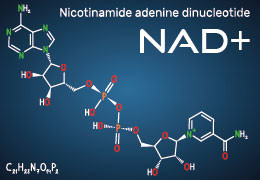
NAD⁺ (Nicotinamide Adenine Dinucleotide) is a central cellular coenzyme essential for mitochondrial energy production and redox balance. It plays a critical role in oxidative phosphorylation, ATP synthesis, and metabolic regulation. NAD⁺ also functions as a substrate for sirtuins and PARP enzymes, contributing to DNA repair, cellular stress resistance, and longevity-associated pathways. Due to its involvement in bioenergetics and cellular resilience, NAD⁺ is widely studied in mitochondrial function, metabolic regulation, and age-related biological processes
NEURO REGENERATION 1 - 10ml+100ml
€690.00
Tax excluded
IN-STOCK
favorite_border favorite
MITOCHONDRIAL FUNCTION / SYNAPTIC PLASTICITY / HIPPOCAMPAL NEUROGENESIS This multi-compound research formulation combines peptide-based and small-molecule neuroactive agents investigated in preclinical systems for neuronal stress resilience, synaptic integrity, and hippocampal structural support under experimental neurodegeneration and mood-dysregulation paradigms. Colivelin has been studied for amyloid-associated stress resistance and survival-signaling pathway modulation (including JAK/STAT3-related investigations). Cortagen has been explored for neuronal functional modulation, oxidative-stress markers, and recovery-related observations in neural stress and injury contexts. Humanin G  is a mitochondrial-derived micro-peptide analog investigated for cytoprotective signaling, anti-apoptotic mechanisms, and mitochondrial redox resilience across neurodegeneration- and systemic-stress models. J-147 is a small-molecule candidate studied for mitochondrial-functional modulation with downstream effects described on bioenergetics, AMPK-linked energy sensing, oxidative-stress markers, synaptic plasticity parameters. NSI-189 phosphate is a neurogenic small molecule investigated for dentate gyrus neurogenesis, hippocampal microarchitecture support, and circuit-level effects relevant to mood and cognition in preclinical research settings. FRESHLY PREPARED SOLUTION
NEURO REGENERATION 2 - 10ml+10ml - Spray
€1,680.00
Tax excluded
IN-STOCK
favorite_border favorite
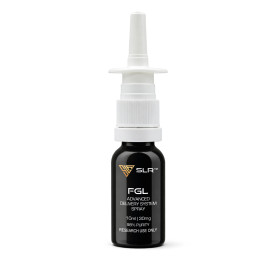
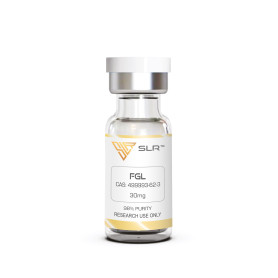
NEUROTROPHIC ACTIVATION / SYNAPTIC PLASTICITY / NEURAL REPAIR Neuro Regeneration 2 is a dual-phase peptide formulation developed to support research into synaptic plasticity, hippocampal neurogenesis, neuronal repair, and adaptive neurochemical regulation under conditions of neural stress. The formulation is structured in two complementary vials: Vial A focuses on neurotrophic signaling, activity-dependent plasticity, memory-related circuitry, and amyloid-associated synaptic resilience through FGL, Colivelin, P-21, and cAC-253; Vial B is oriented toward structural neural repair, oxidative and apoptotic stress adaptation, circadian support, and neurotransmitter-related regulation through Cortagen, Pinealon, and MIF-1. Together, the system is designed to investigate coordinated mechanisms involved in neuronal differentiation, synaptic maintenance, functional recovery, and long-term neural resilience.FRESHLY PREPARED SOLUTION
NGV-291 - 200mg
€895.00
Tax excluded
Made to Order Compound
favorite_border favorite
NGV-291 is a synthetic research peptide investigated for its potential interaction with pathways involved in neuronal signaling, tissue regeneration, and cellular adaptation. Experimental studies focus on its ability to modulate signaling environments that influence cell growth, structural remodeling, and communication between cells, particularly within the nervous system. By targeting mechanisms related to cellular repair and extracellular matrix dynamics, NGV-291 is explored in research contexts examining neural plasticity, tissue recovery, and response to cellular stress. Its relevance lies in its potential to influence multiple interconnected biological processes rather than a single isolated pathway.
OREXIN A - 5mg
€120.00
Tax excluded
Temporarily unavailable
favorite_border favorite
Orexin-A is a neuropeptide that has been extensively studied for its role in the regulation of wakefulness and arousal. Research has also explored its involvement in pathways related to appetite regulation, locomotor activity, and autonomic nervous system signaling, including modulation of sympathetic tone. These findings highlight the importance of Orexin-A in maintaining physiological balance across sleep–wake cycles and energy-related processes.
OREXIN A+B - 10ml/5+5mg - Spray
€265.00
Tax excluded
IN-STOCK
favorite_border favorite
Orexin-A (Hypocretin-1) is a neuropeptide derived from the lateral hypothalamus and plays a central role in sleep–wake regulation, arousal stability, and autonomic balance. It interacts with orexin receptors OXR1 and OXR2 and modulates key neurotransmitter systems including dopamine, norepinephrine, serotonin, and histamine. Experimental research has examined Orexin-A in models of narcolepsy, sleep–wake dysregulation, neuroinflammation, thermoregulation, and autonomic control. Due to its ability to cross the blood–brain barrier, Orexin-A remains a molecule of interest in central nervous system signaling research. Orexin-B (Hypocretin-2) is a hypothalamic neuropeptide primarily interacting with the orexin receptor OXR2, contributing to sleep–wake homeostasis and arousal regulation. Unlike Orexin-A, Orexin-B exhibits receptor selectivity toward OXR2, making it a valuable tool for receptor-specific signaling studies. Preclinical research has investigated Orexin-B in the context of narcolepsy models, vigilance state regulation, autonomic modulation, and neuroendocrine signaling. Its receptor selectivity provides insight into differential orexin pathway activation in sleep and arousal research. FRESHLY PREPARED SOLUTION
OREXIN B - 5mg
€120.00
Tax excluded
IN-STOCK
favorite_border favorite
Research indicates that Orexin-B is a neuropeptide involved in the regulation of wakefulness and arousal. It has been studied for its role in appetite-related signaling, locomotor activity, and modulation of sympathetic nervous system tone. Through its interactions with orexin receptors, Orexin-B contributes to neural pathways associated with vigilance, energy balance, and autonomic regulation.
OVAGEN - 10ml/40mg - Spray
€129.00
Tax excluded
IN-STOCK
favorite_border favorite
Ovagen is a bioregulatory peptide that has been studied for its role in supporting gastrointestinal mucosal integrity and maintaining normal liver tissue structure. Research suggests it may help protect the gastrointestinal mucosal layer from stressors such as antibiotics, toxins, and anti-inflammatory agents, while also being associated with reduced fibrotic processes in liver tissue. Ongoing experimental studies are further evaluating Ovagen’s interaction with mechanisms involved in HIV viral replication. FRESHLY PREPARED SOLUTION 
OVAGEN - 40mg
€98.00
Tax excluded
IN-STOCK
favorite_border favorite
Ovagen is a bioregulatory peptide that has been studied for its role in supporting gastrointestinal mucosal integrity and maintaining normal liver tissue structure. Research suggests it may help protect the gastrointestinal mucosal layer from stressors such as antibiotics, toxins, and anti-inflammatory agents, while also being associated with reduced fibrotic processes in liver tissue. Ongoing experimental studies are further evaluating Ovagen’s interaction with mechanisms involved in HIV viral replication.
OVAGEN - 500mg
€680.00
Tax excluded
Developed Compound ✦ Limited Stock Available
favorite_border favorite
Ovagen is a bioregulatory peptide that has been studied for its role in supporting gastrointestinal mucosal integrity and maintaining normal liver tissue structure. Research suggests it may help protect the gastrointestinal mucosal layer from stressors such as antibiotics, toxins, and anti-inflammatory agents, while also being associated with reduced fibrotic processes in liver tissue. Ongoing experimental studies are further evaluating Ovagen’s interaction with mechanisms involved in HIV viral replication.
OXYTOCIN - 10mg
€49.00
Tax excluded
IN-STOCK
favorite_border favorite
Oxytocin is a multifunctional peptide hormone and neuropeptide involved in a wide range of physiological and psychological processes. Synthesized in the hypothalamus and released by the posterior pituitary gland, it acts both peripherally and within the central nervous system. Research has associated oxytocin with the following effects:Exhibits anti-inflammatory properties that support wound healing and tissue regenerationEnhances trust, empathy, and social recognition involved in interpersonal bondingImproves recognition of emotional expressions, supporting effective social communicationModulates neurotransmitter systems such as dopamine and serotonin, contributing to mood balance and stress reductionHas been investigated for potential roles in reducing symptoms associated with anxiety and depressive statesContributes to sexual receptivity and reproductive behaviors in both men and womenReduces activity of the amygdala, which is associated with fear and anxiety responsesInduces uterine contractions during labor and mediates milk ejection during breastfeeding
OXYTOCIN - 10ml/10mg - Spray
€68.00
Tax excluded
IN-STOCK
favorite_border favorite
Oxytocin is a multifunctional peptide hormone and neuropeptide involved in a wide range of physiological and psychological processes. Synthesized in the hypothalamus and released by the posterior pituitary gland, it acts both peripherally and within the central nervous system. Research has associated oxytocin with the following effects: Exhibits anti-inflammatory properties that support wound healing and tissue regeneration Enhances trust, empathy, and social recognition involved in interpersonal bonding Improves recognition of emotional expressions, supporting effective social communication Modulates neurotransmitter systems such as dopamine and serotonin, contributing to mood balance and stress reduction Has been investigated for potential roles in reducing symptoms associated with anxiety and depressive states Contributes to sexual receptivity and reproductive behaviors in both men and women Reduces activity of the amygdala, which is associated with fear and anxiety responsesInduces uterine contractions during labor and mediates milk ejection during breastfeeding FRESHLY PREPARED SOLUTION 
P-21 - 10ml/100mg - Spray
€435.00
Tax excluded
IN-STOCK
favorite_border favorite
Research indicates that P21 is associated with increased levels of brain-derived neurotrophic factor (BDNF), a key molecule involved in neuronal development and synaptic plasticity. BDNF is linked to enhanced neurogenesis and has been shown in experimental models to modulate biological pathways related to amyloid plaque and tau protein formation, both of which are characteristic features of Alzheimer’s disease pathology. In addition, multiple studies suggest that P21 supports learning processes and cognitive performance by promoting neuroplastic mechanisms and maintaining synaptic function in the central nervous system. FRESHLY PREPARED SOLUTION
P-21 - 50mg
€220.00
Tax excluded
IN-STOCK
favorite_border favorite
Research indicates that P21 is associated with increased levels of brain-derived neurotrophic factor (BDNF), a key molecule involved in neuronal development and synaptic plasticity. BDNF is linked to enhanced neurogenesis and has been shown in experimental models to modulate biological pathways related to amyloid plaque and tau protein formation, both of which are characteristic features of Alzheimer’s disease pathology. In addition, multiple studies suggest that P21 supports learning processes and cognitive performance by promoting neuroplastic mechanisms and maintaining synaptic function in the central nervous system.
PE-22-28 - 10ml/20mg - Spray
€185.00
Tax excluded
IN-STOCK
favorite_border favorite
PE-22-28 is a synthetic derivative of the naturally occurring peptide spadin that targets the TREK-1 channel. Since TREK-1 is found in brain regions that govern mood, memory, and learning, PE-22-28 was designed with the goal of being a potential treatment candidate for depression and a powerful stimulator of neurogenesis and synaptogenesis in the hippocampus. PE-22-28 is currently being researched for several applications, including: Antidepressant activity Enhancement of memory and learning Support for stroke recovery Potential roles in addressing neurodegenerative diseases such as Alzheimer’s Promotion of neurogenesis FRESHLY PREPARED SOLUTION
PE-22-28 - 5mg
€42.00
Tax excluded
IN-STOCK
favorite_border favorite
PE-22-28 is a synthetic derivative of the naturally occurring peptide spadin that targets the TREK-1 channel. Since TREK-1 is found in brain regions that govern mood, memory, and learning, PE-22-28 was designed with the goal of being a potential treatment candidate for depression and a powerful stimulator of neurogenesis and synaptogenesis in the hippocampus. PE-22-28 is currently being researched for several applications, including: Antidepressant activity Enhancement of memory and learning Support for stroke recovery Potential roles in addressing neurodegenerative diseases such as Alzheimer’s Promotion of neurogenesis
PEG MGF - 5mg
€59.00
Tax excluded
IN-STOCK
favorite_border favorite
Pegylated Mechano Growth Factor (PEG-MGF) is a modified splice variant related to insulin-like growth factor-1    (IGF-1). In experimental research settings, PEG-MGF has been studied for its role in supporting myoblast division and facilitating the fusion and maturation of muscle fibers. Pegylation enhances the peptide’s stability and circulating half-life, allowing prolonged biological activity compared to non-pegylated MGF. Based on preclinical and experimental studies, PEG-MGF has been investigated in relation to the following biological processes: Support of muscle tissue remodeling Stimulation of new muscle cell formation Neuroprotective mechanisms in experimental models Cardioprotective pathways associated with cellular survival Processes involved in wound healing and tissue regeneration Bone repair and osteogenic activity in injury models Regulation of body fat metabolism and lipid-related markers Modulation of immune-related cellular responses
PHDP5+TAT (44-57) - 100mg
€1,780.00
Tax excluded
Developed Compound ✦ Limited Stock Available
favorite_border favorite
PHDP5 + TAT (44–57) is a synthetic peptide construct designed for advanced Alzheimer’s disease research, combining the PHDP5 sequence with a TAT cell-penetrating domain to enhance brain delivery and intracellular uptake. In preclinical Alzheimer’s disease models, PHDP5 has been reported to rescue learning and memory loss in Alzheimer’s disease, restoring cognitive performance to levels comparable to healthy controls. The mechanism is associated with inhibition of the pathological dynamin–microtubule interaction induced by tau, leading to recovery of synaptic vesicle endocytosis and neuronal communication. The addition of TAT (44–57) enables efficient penetration into brain tissue, including the hippocampus, following intranasal administration. While the peptide demonstrates strong effects on synaptic function and cognitive deficits in experimental Alzheimer’s models, its activity is primarily linked to tau-related dysfunction rather than direct amyloid plaque removal.
PHDP5+TAT (44-57) - 10ml/100mg - Spray
€1,860.00
Tax excluded
Developed Compound ✦ Limited Stock Available
favorite_border favorite
PHDP5 + TAT (44–57) is a synthetic peptide construct designed for advanced Alzheimer’s disease research, combining the PHDP5 sequence with a TAT cell-penetrating domain to enhance brain delivery and intracellular uptake. In preclinical Alzheimer’s disease models, PHDP5 has been reported to rescue learning and memory loss in Alzheimer’s disease, restoring cognitive performance to levels comparable to healthy controls. The mechanism is associated with inhibition of the pathological dynamin–microtubule interaction induced by tau, leading to recovery of synaptic vesicle endocytosis and neuronal communication. The addition of TAT (44–57) enables efficient penetration into brain tissue, including the hippocampus, following intranasal administration. While the peptide demonstrates strong effects on synaptic function and cognitive deficits in experimental Alzheimer’s models, its activity is primarily linked to tau-related dysfunction rather than direct amyloid plaque removal.
PINEALON - 100mg
€240.00
Tax excluded
IN-STOCK
favorite_border favorite
Most peptides exert their biological effects by interacting with cell surface or intracellular receptors. However, a limited number of peptides are capable of binding directly to DNA, thereby influencing fundamental biological processes at the level of gene regulation. Pinealon is one of these bioregulatory peptides. It has demonstrated neuroprotective properties and is considered a promising candidate for research focused on the modulation and management of various neurological conditions. Pinealon is known to affect the central nervous system by influencing behavior while also protecting neurons and other cell types from oxidative damage. One of the most notable characteristics of Pinealon is its ability to cross the cellular membrane, nuclear membrane, and the blood–brain barrier. This unique property helps explain its capacity to interact directly with DNA and regulate gene expression. Pinealon has been associated in research with potential applications including: Anti-aging effects Neuronal protection Modulation of depressive pathways Research into neurological disorders such as Alzheimer’s disease and Parkinson’s disease Memory enhancement Regulation of sleep and circadian rhythms
PINEALON - 10ml/100mg - Spray
€290.00
Tax excluded
IN-STOCK
favorite_border favorite
Most peptides exert their biological effects by interacting with cell surface or intracellular receptors. However, a limited number of peptides are capable of binding directly to DNA, thereby influencing fundamental biological processes at the level of gene regulation. Pinealon is one of these bioregulatory peptides. It has demonstrated neuroprotective properties and is considered a promising candidate for research focused on the modulation and management of various neurological conditions. Pinealon is known to affect the central nervous system by influencing behavior while also protecting neurons and other cell types from oxidative damage. One of the most notable characteristics of Pinealon is its ability to cross the cellular membrane, nuclear membrane, and the blood–brain barrier. This unique property helps explain its capacity to interact directly with DNA and regulate gene expression. Pinealon has been associated in research with potential applications including: Anti-aging effects Neuronal protection Modulation of depressive pathways Research into neurological disorders such as Alzheimer’s disease and Parkinson’s disease Memory enhancement Regulation of sleep and circadian rhythms FRESHLY PREPARED SOLUTION
PNC-27 - 5mg
€129.00
Tax excluded
IN-STOCK
favorite_border favorite
PNC-27 is a synthetic research peptide studied for its selective activity against malignant cells. It is designed to bind to HDM-2, a protein that is abnormally expressed on the membranes of many cancer cells and is known to interact with the p53 tumor suppressor pathway. Experimental research indicates that PNC-27 can selectively induce cancer cell death by disrupting the integrity of the cancer cell membrane through a process known as membranolysis, while showing minimal interaction with non-cancerous cells.
PNC-28 - 5mg
€185.00
Tax excluded
IN-STOCK
favorite_border favorite
PNC-28 is a synthetic peptide derived from the p53 protein, specifically from its MDM2-binding domain, and engineered with a penetratin sequence to enable efficient cellular uptake. It is studied for its ability to interact with dysregulated cellular pathways commonly found in transformed cells, particularly involving the MDM2 regulatory system. In experimental models, PNC-28 has been associated with the induction of non-apoptotic cell death mechanisms, characterized by loss of membrane integrity rather than classical programmed cell death. This feature makes it of particular interest in research settings where resistance to apoptosis is observed. Due to its unique mechanism and intracellular activity, PNC-28 is primarily used as a research tool in studies related to tumor biology, cellular stress responses, and alternative cell death pathways.
PROSTAMAX - 50mg
€128.00
Tax excluded
IN-STOCK
favorite_border favorite
Prostamax is a prostate-derived bioregulatory peptide that has been investigated in experimental models of chronic aseptic prostate inflammation. Research data indicate that Prostamax is associated with a reduction in inflammatory markers, modulation of tissue remodeling processes, and prevention of fibrotic and atrophic changes within prostate tissue in animal-based studies. Additionally, experimental observations suggest an influence on functional activity parameters in studied models. Comparative research has shown that Prostamax demonstrates a broader and more sustained biological activity in prostate-focused experimental systems when compared with other commonly used prostatotropic research compounds of peptide origin.
PT-141 - 10mg
€46.00
Tax excluded
IN-STOCK
favorite_border favorite
Bremelanotide, also known as PT-141, is a synthetic peptide structurally related to alpha-MSH and melanocortin signaling molecules. It acts as an agonist of the MC3R and MC4R melanocortin receptors, which are involved in central nervous system pathways regulating motivation and arousal. By activating these receptors, PT-141 stimulates hypothalamic and related brain regions associated with sexual interest and behavioral response. Research indicates that its activity is centrally mediated rather than dependent on peripheral vascular mechanisms. While initially explored for sexual function in both men and women, scientific studies have shown particular relevance in premenopausal women experiencing conditions related to reduced sexual desire or arousal. According to research observations, PT-141 (Bremelanotide) has been associated with: Increased sexual desire and libido Higher frequency of sexual activity Support of erectile response in men with erectile dysfunction or impotence Potential benefit in premenopausal women with hypoactive sexual desire disorder Support in female sexual arousal–related dysfunctions Increased subjective energy and vitality levels
PTD-DBM + VALPROIC ACID - 30ml /5mg + 30ml/450mg
€120.00
Tax excluded
IN-STOCK
favorite_border favorite
PTD-DBM + Valproic Acid is a research-oriented topical formulation designed to modulate intracellular signaling mechanisms associated with hair follicle biology. PTD-DBM (Protein Transduction Domain – Dishevelled Binding Motif) is a synthetic chimeric peptide developed to interfere with the inhibitory interaction between CXXC5 and Dishevelled (Dvl), a regulatory checkpoint within the Wnt/β-catenin signaling pathway. By reducing this inhibitory binding, PTD-DBM supports restoration of physiological Wnt pathway dynamics under experimental conditions. Valproic Acid (1.5%) acts as a complementary signaling modulator. Through inhibition of GSK3β and associated intracellular pathways, it contributes to β-catenin stabilization and supports downstream signaling activity. The combined formulation is structured to provide multi-layer modulation of follicular signaling networks, addressing both inhibitory feedback control (CXXC5–Dvl interaction) and β-catenin stabilization mechanisms. In preclinical research models, co-modulation of these pathways has been associated with: Enhanced dermal papilla signaling activity Promotion of anagen-associated markers Increased β-catenin pathway activity Support of follicular regenerative signaling dynamics FRESHLY PREPARED SOLUTION
QK - 1mg
€85.00
Tax excluded
IN-STOCK
favorite_border favorite
QK is a synthetic peptide designed to mimic the activity of Vascular Endothelial Growth Factor (VEGF), one of the primary regulators of angiogenesis (the formation of new blood vessels). Unlike full-length VEGF, QK is a smaller and more stable molecule that retains the ability to bind endothelial receptors (particularly VEGFR-1), activating key biological pathways involved in vascular growth. Its primary effect is the stimulation of angiogenesis, through: endothelial cell proliferation and migration formation of new capillary structures improvement of microcirculation These properties make QK highly relevant in research related to: tissue regeneration wound healing ischemic conditions (reduced blood flow) endothelial function and vascular health In summary, QK is a targeted angiogenic mimetic, useful for studying controlled vascular growth in experimental settings, offering improved stability and control compared to natural VEGF.
REJUV RESEARCH 1
€259.00
Tax excluded
IN-STOCK
favorite_border favorite
TELOMERE / IMMUNE MODULATION   Epitalon - 100mg + Thymalin - 100mg. Epitalon + Thymalin (Telomere / Immune Modulation) is a research peptide combination studied for its potential role in cellular aging pathways and immune system regulation. Epitalon has been widely investigated in relation to telomere biology, circadian rhythm signaling, and cellular homeostasis, while Thymalin has been explored for its involvement in immune modulation, thymic activity, and inflammation-related mechanisms. Together, this blend is primarily researched for its potential relevance in longevity-related cellular processes and support of immune function during aging.
REJUV RESEARCH 2
€569.00
Tax excluded
IN-STOCK
favorite_border favorite
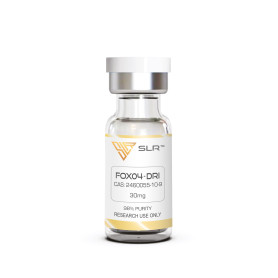
TELOMERE / SENESCENT CELL TARGETING Epitalon - 100mg + FOX04 - DRI - 30mg  Epitalon + FOXO4-DRI is a research combination designed to explore two major biological pathways strongly associated with aging and cellular decline: telomere maintenance mechanisms and senescent cell signaling. Epitalon is widely studied for its potential involvement in telomerase-related pathways and circadian regulation, while FOXO4-DRI is a peptide of interest in senescence research due to its reported ability to interfere with FOXO4–p53 interactions in experimental models. This interaction has been associated with selective signaling effects in senescent cells, making FOXO4-DRI a key compound in research focused on senescent cell targeting and tissue homeostasis. Together, this combination is positioned for advanced research into mechanisms linked to cellular aging, tissue regeneration pathways, and biological resilience. According to experimental and preclinical research, this research set has been associated with the following areas of interest: Telomere biology and telomerase pathway research Senescent cell targeting and apoptosis-related signaling mechanisms Support of tissue homeostasis in aging models Investigation of cellular stress-response pathways Research into age-related functional decline at tissue and organ level Scientific interest in pathways related to immune regulation and systemic aging mechanisms All information provided above refers exclusively to laboratory, experimental, or preclinical research contexts and is intended for scientific and educational discussion only.
RETA - 6mg
€150.00
Tax excluded
IN-STOCK
favorite_border favorite
Reta is a next-generation metabolic research peptide classified as a multi-receptor agonist designed to interact with GLP-related, GIP-associated, and glucagon-mediated signaling pathways. By targeting multiple receptor systems simultaneously, it has become a key subject of investigation in studies focused on integrative metabolic regulation, energy balance, and complex signaling networks. Its molecular structure has been engineered to enhance stability and albumin binding, supporting an extended activity profile and improved pharmacokinetic characteristics in research environments. Current research explores its role in multi-pathway signaling dynamics, systemic regulatory processes, and advanced metabolic communication mechanisms.
RETINALAMIN - 10ml/200mg - Spray
€290.00
Tax excluded
IN-STOCK
favorite_border favorite
Research suggests that Retinalamin is of interest in ophthalmology and retinal-support research due to its potential role in supporting retinal tissue function, microcirculation, and recovery mechanisms under conditions of degeneration or vascular stress. Studies indicate that it may be relevant in a range of retinal and vision-related disorders, including diabetic retinopathy, myopic disease, retinitis pigmentosa, age-related macular degeneration (AMD), chorioretinitis, primary open-angle glaucoma, and other eye diseases associated with impaired retinal performance and progressive vision decline. FRESHLY PREPARED SOLUTION